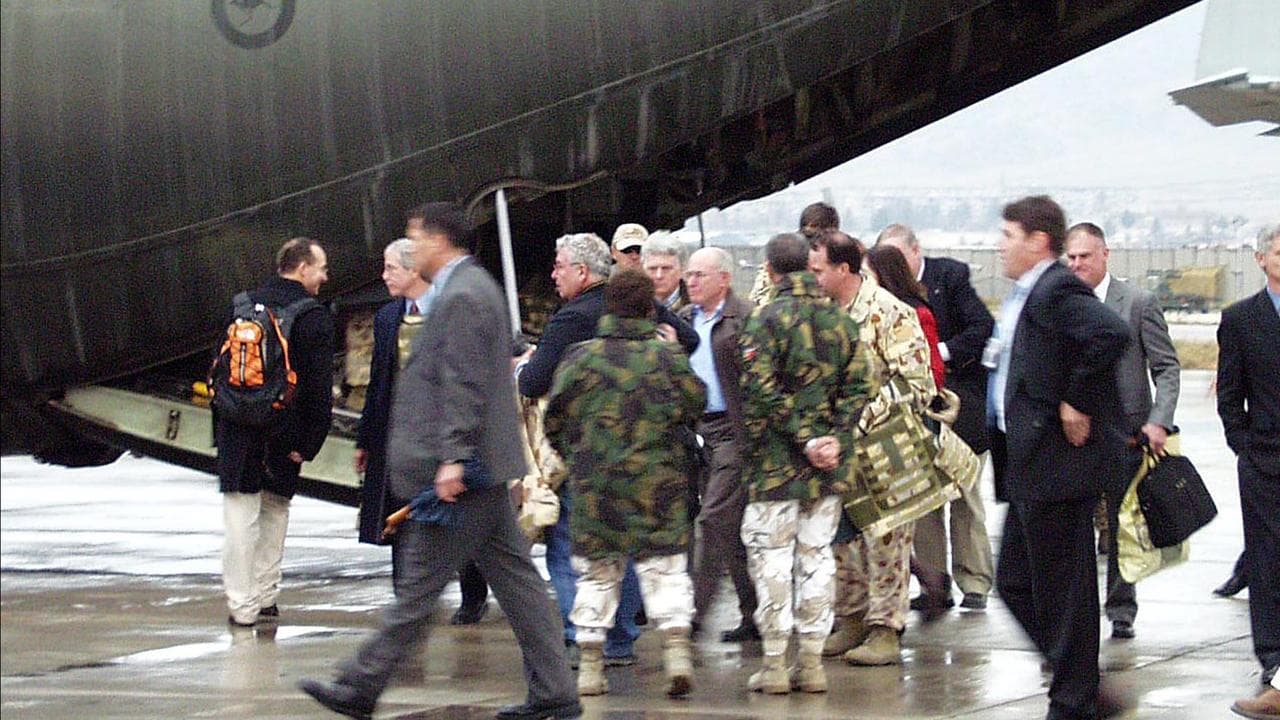
Counter-terrorism was one of the Howard government's top defence priorities in 2005, cabinet documents reveal, but ministers were also conscious of an increasingly assertive China.
Records from 20 years ago, released by the National Archives, give new insights into how the government made decisions about deploying troops overseas and protecting Australians at home.
There was significant discussion in cabinet and the high-powered national security committee about Australia's involvement in Iraq and Afghanistan.
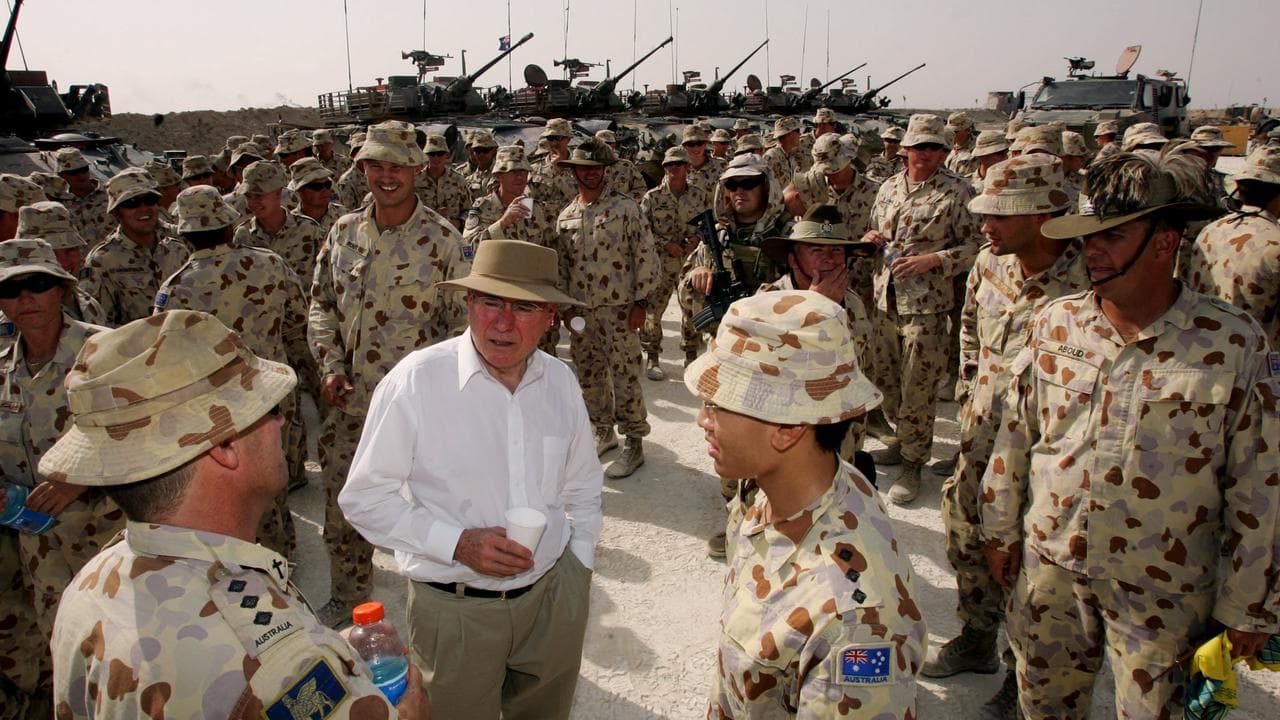
Minutes from July show the government agreeing to send SAS soldiers to Afghanistan for a 12-month deployment.
Ministers were concerned about the potential for the country to become a failed state, thought the deployment would help fight terrorism, and saw benefits for Australia's relationship with its allies.
“A small, appropriately placed Australian contribution to Afghanistan at a time when international focus is returning may enhance our already strong relationships with the US and UK, and develop our relationship with NATO,” defence minister Robert Hill and foreign minister Alexander Downer wrote at the time.
While the special forces deployment was originally planned to run for a year, following an earlier spell in 2001, ADF troops eventually spent nearly two decades providing security in Afghanistan.
The commitment cost the lives of 41 military personnel and spawned an ongoing inquiry into war crimes allegedly committed by Australian soldiers.
Cabinet also sent troops to Iraq's Al Muthanna province when Dutch forces pulled out.
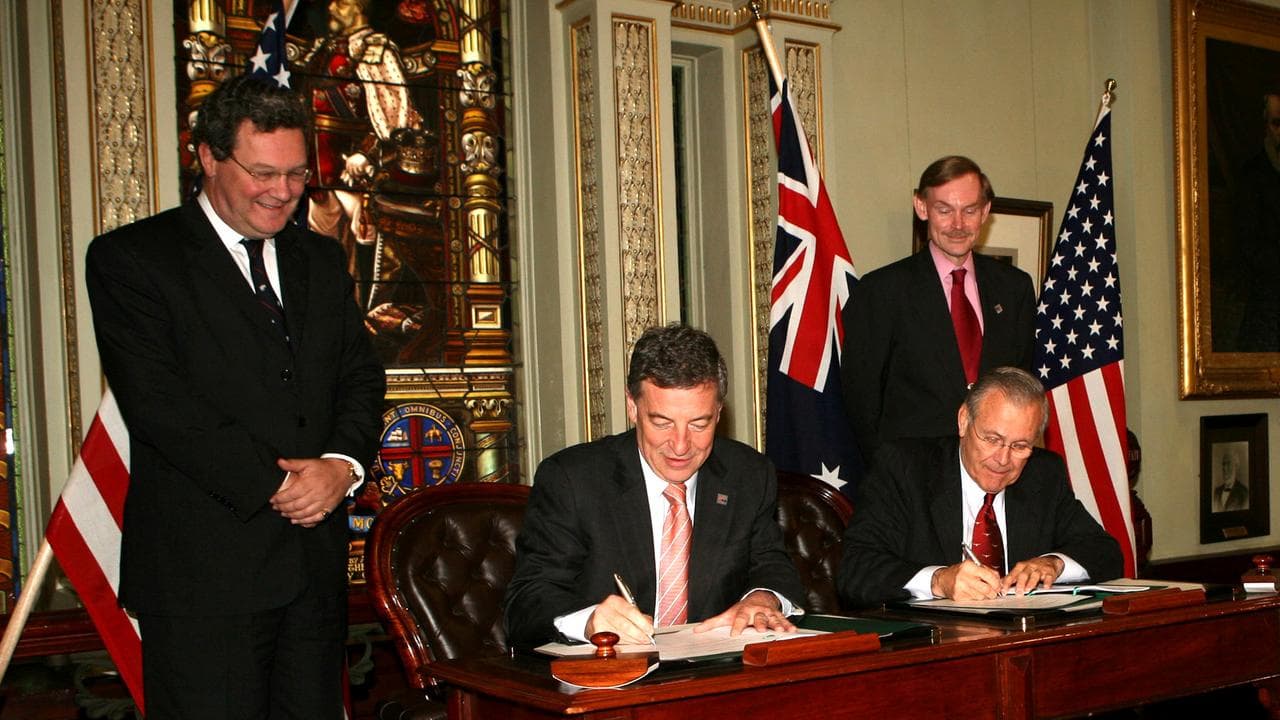
As Australia increased its tempo of international deployments, the documents reveal new insights into how cabinet thought about the global world order.
An update to the nation's defence strategy in 2005 shows the government's main priorities at the time.
“Terrorism, the proliferation of weapons of mass destruction and the potential for failing states remain abiding security concerns,” Mr Hill wrote in November.
A separate, sealed cabinet note shows ministers discussed a counter-terrorism initiative in the southern Philippines, where the two men who carried out the recent Bondi massacre reportedly travelled for terrorist training.
That record is sealed over fears it could hurt Australia's relationship with other countries.
While terrorism was a top priority, Mr Hill also raised concerns about how tensions between the US and China would continue to evolve over the coming years.
“In North Asia major power relativities are evolving. A more competitive United States-China relationship is likely to influence future regional security arrangements,” he wrote.
The United States alliance was a big concern for cabinet at the time, and the documents show close communication between Australia and the US.
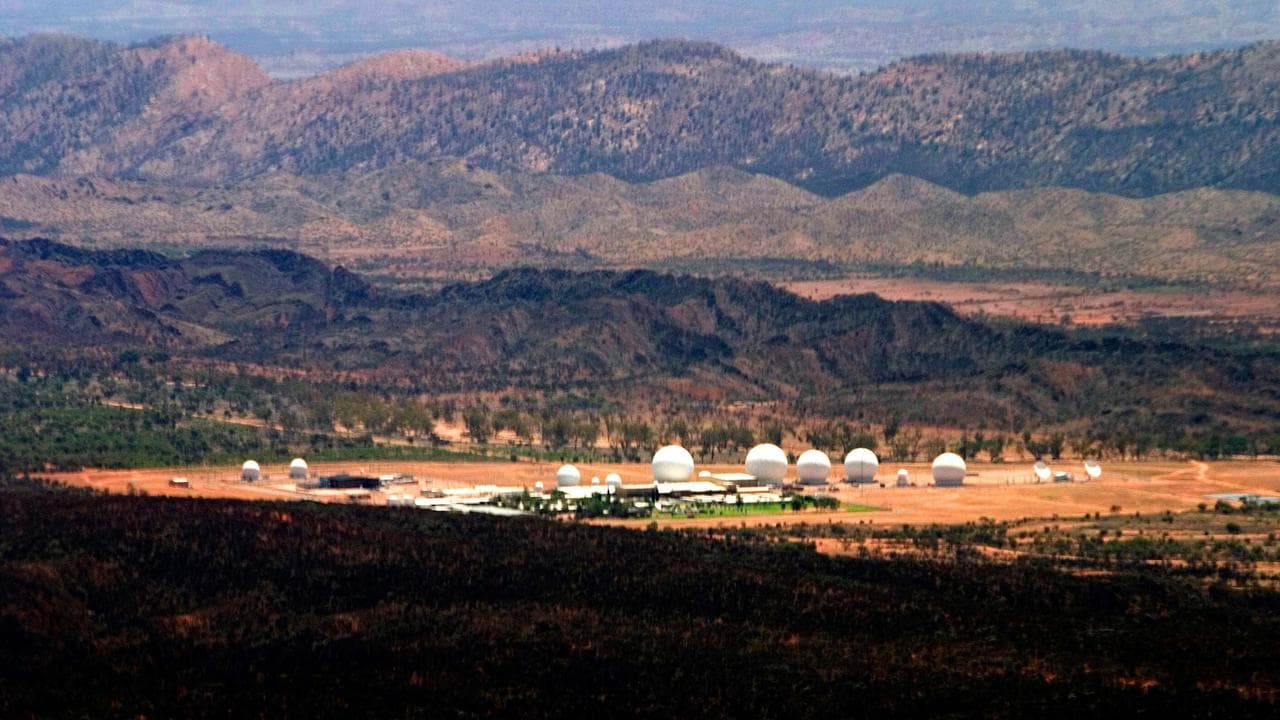
While working on a statement about Pine Gap - the joint Australia-US spy facility in the Northern Territory - the government adopted suggested wording from America.
"The US response to advice on the revision of the statement has been very positive", a heavily redacted June memo noted.


