
The treasurer has hit back at attacks to budget tax changes from a former Reserve Bank governor after the contentious laws passed parliament.
Ex-RBA governor Philip Lowe said changes limiting negative gearing and the capital gains tax discount would not boost housing supply levels as flagged by the government.
"It’s a mistake, to extend the changes to capital gains tax to risk-bearing assets," he told a presentation on Thursday.
"I was disappointed that they, the government, extended the capital gains tax treatment to non-residential assets, and I think that will be to our detriment that they’ve done that.
"We don’t have a growth agenda; we now have a redistribution agenda."
The tax changes passed parliament on Thursday following a deal the federal government struck with the Greens.
At the last minute, the government confirmed it would make changes to the tax laws to remove a so-called "widow's tax", where people who jointly own an investment property with their spouse would lose grandfathered tax breaks if their spouse dies or they divorce.
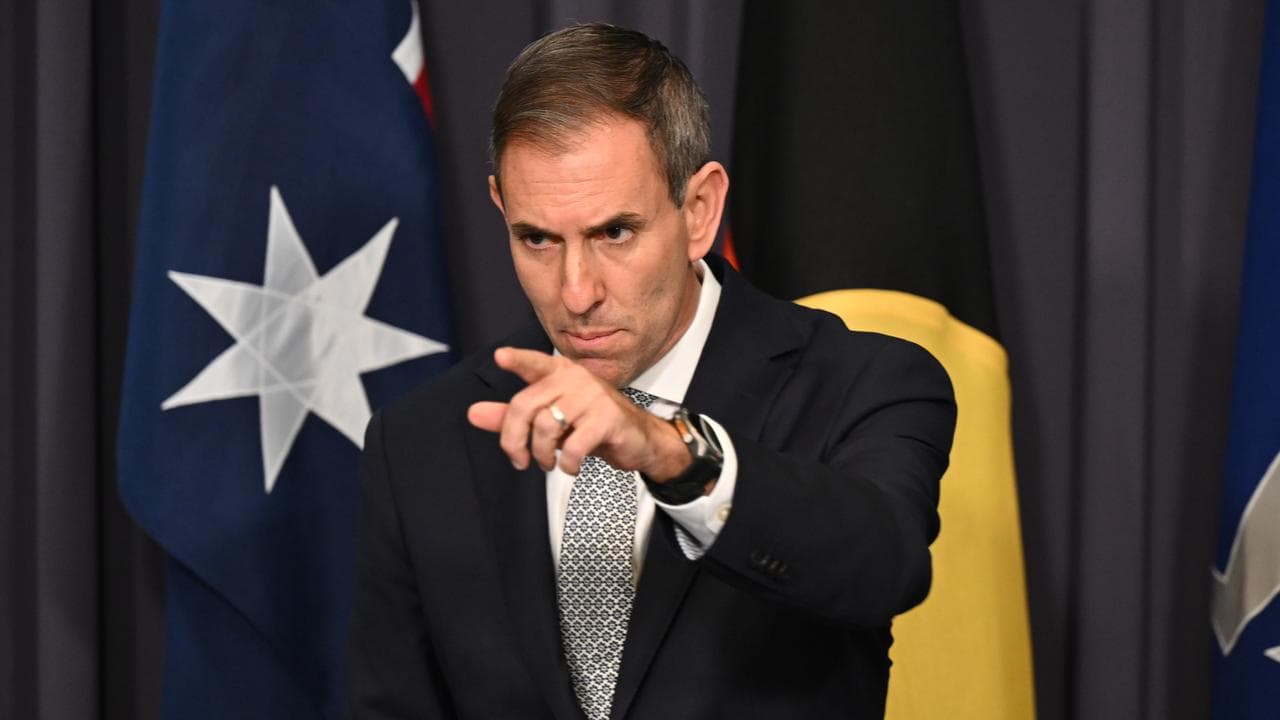
But Treasurer Jim Chalmers said the comments from the former RBA head were at odds with the reasons why the reforms were carried out.
"I don't share his view. He's entitled to express it, but I don't share his view," he told reporters in Canberra on Friday.
"When it comes to the substance of his comments, we are fixing a very damaging distortion that has existed in our tax system for a quarter of a century, it's locked too many people out of housing, especially young people."
"We're seeking to encourage investment being made for economic reasons, not for tax advantages, and so I have a different view on the substance of what Phil Lowe has said, but obviously he's got a right to express his view."
Settings for capital gains tax will change from July 2027, with the standard 50 per cent discount replaced by cost-base indexation and a 30 per cent minimum tax rate.
The changes will be extended to all assets, including businesses, although the government announced a carve-out to placate the startup sector, which has complained it will be uniquely impacted by the new arrangements.
Prime Minister Anthony Albanese said the changes were necessary despite resistance from business groups.
"If everyone's identified the problem, and it's agreed the system is broken, then you can't just sit back and not do anything about it," he told Seven's Sunrise program.
"What we've done is put forward sensible legislation that's modest, that protects existing negatively geared properties."


