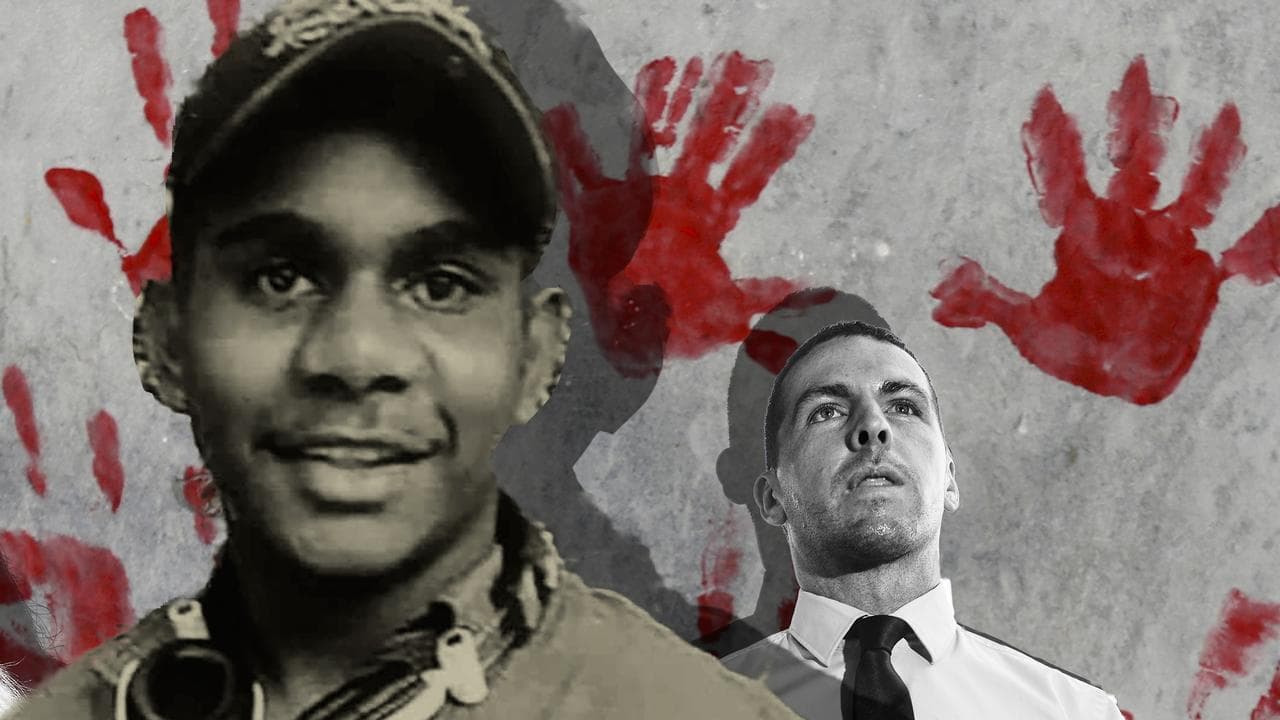
When a 19-year-old Aboriginal man was fatally shot by a police officer in remote central Australia, the fallout ricocheted around the country.
Soon after the news broke, author and journalist Kate Wild watched people adopt various positions about the event, particularly on social media.
"All they knew was a young Aboriginal man had been shot by a white police officer in a remote community in the Northern Territory," she tells AAP.
"People immediately knew how they felt about that and what it meant without understanding anything else other than those bare facts."
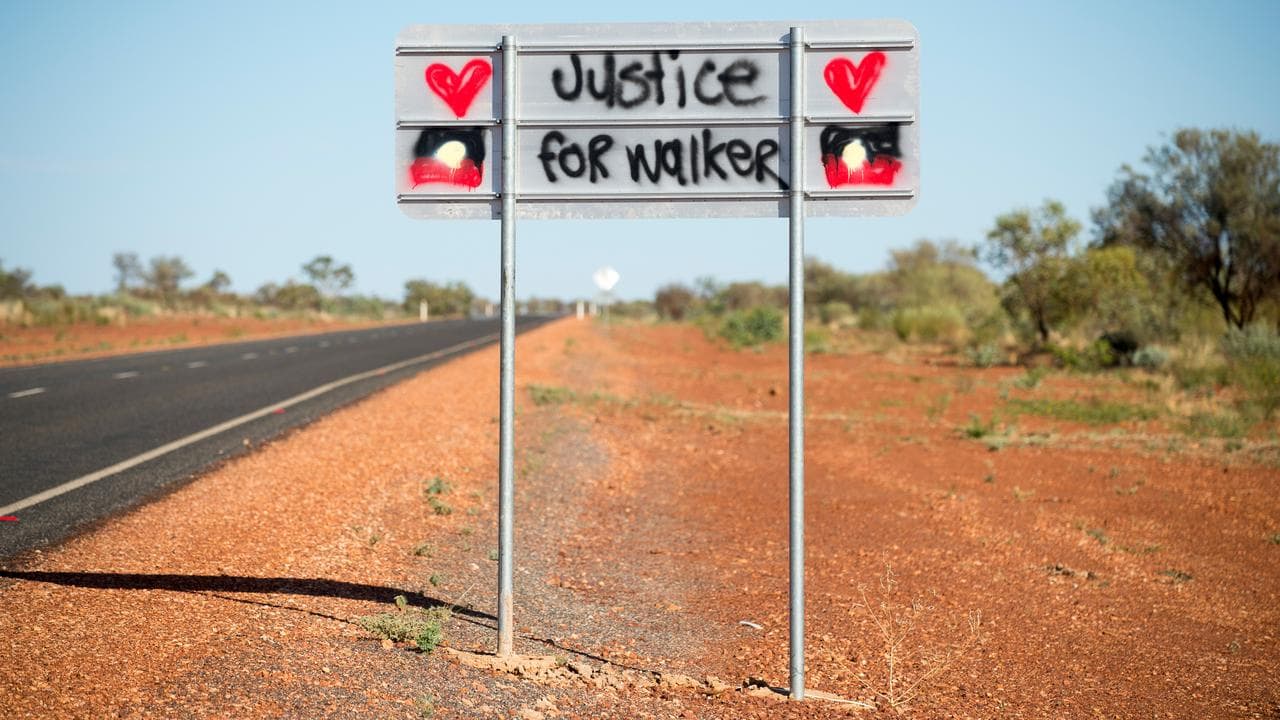
Warlpiri Luritja teenager Kumanjayi Walker died after he was shot three times by then-constable Zachary Rolfe during an attempted arrest at a home in Yuendumu, 300km northwest of Alice Springs.
A true crime documentary series premiering on Tuesday seeks to delve deeper into the story of the two men.
The series is called 2.6 Seconds: Death in the Outback, a reference to the time window during which the shots that ended Mr Walker's life were fired.
Director and producer Darren Dale says the shooting and lengthy judicial process that followed demand Australia's attention.
"It felt to me a story that was bigger than those two men and those events," he says.
"It felt like a mirror to the country around race relations."
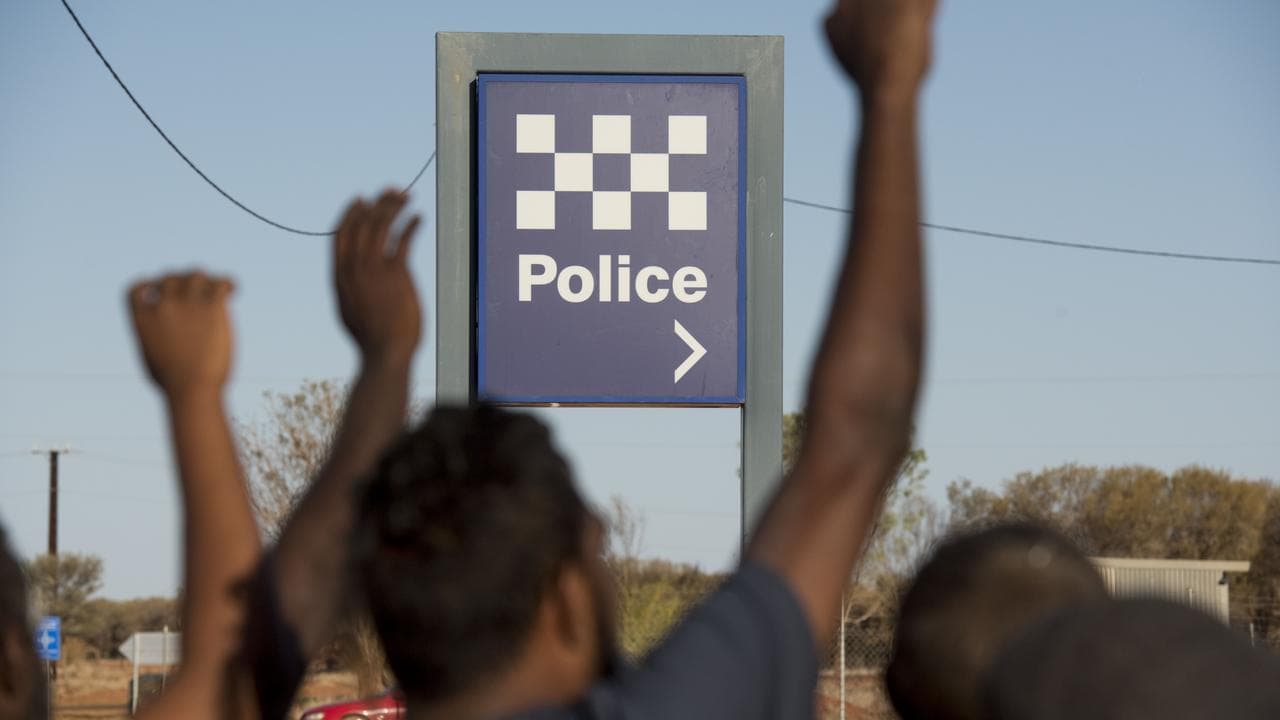
The voices of Mr Walker's family, community, Northern Territory police, lawyers and journalists are all part of the conversation in the four-part series.
Mr Dale says he hopes hearing their first-hand accounts provides a deeper understanding not only of the night of November 9, 2019 but the wider issues leading to Mr Walker and Mr Rolfe's paths crossing with such tragic consequences.
"There is something powerful about the combination of people's testimony and then seeing the footage assembled to see what really happened," he says.
"That is a different account to what we've seen before."
Ms Wild, who was interviewed for the documentary, spent years investigating tensions around the case for her book The Red House.
She says being part of the series allowed her to share more of the story than her 400-page book.
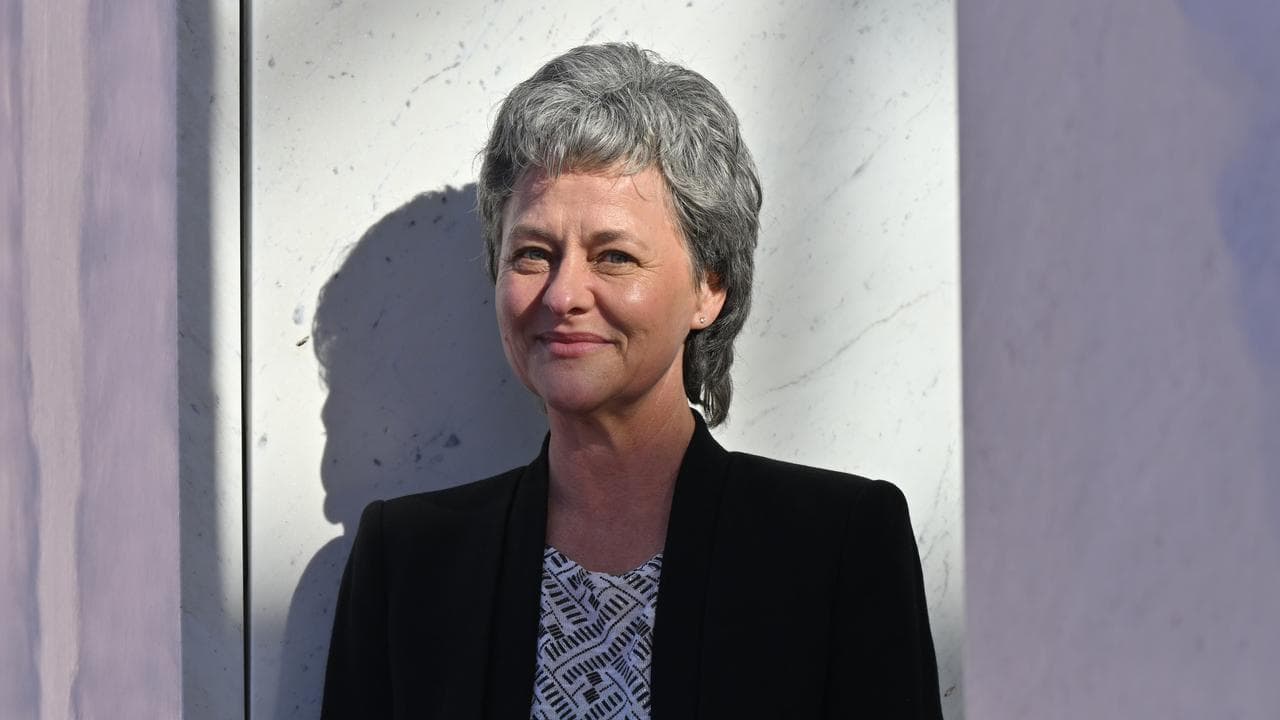
For Ms Wild, the events surrounding Mr Walker's death exposed a "gaping wound" in our country's identity - the relationship between black and white Australia.
"If you sit with that moment and you look at the ripples around it ... and you look at similar things that have happened in the past and haven't been healed, they just keep happening," she says.
"We're being offered this opportunity over and over again to deal with this wound and this question and better understand each other.
"Until we do that and we sit with it and we sit with that discomfort, it will keep happening."
Mr Rolfe was charged with murder days after he shot Mr Walker but acquitted in a Supreme Court trial in 2022.
He was later dismissed from the NT police force.
Held primarily in Alice Springs, the coronial inquest into Mr Walker's death ran from September 2022 until November 2024.
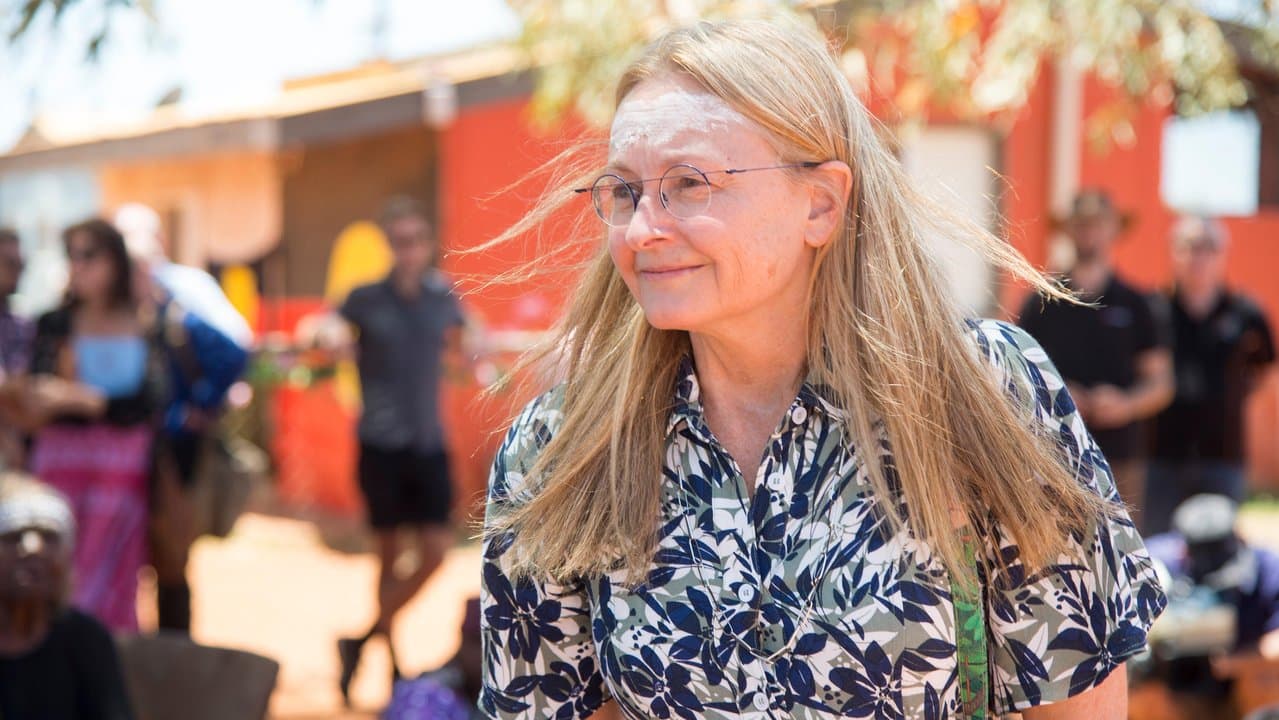
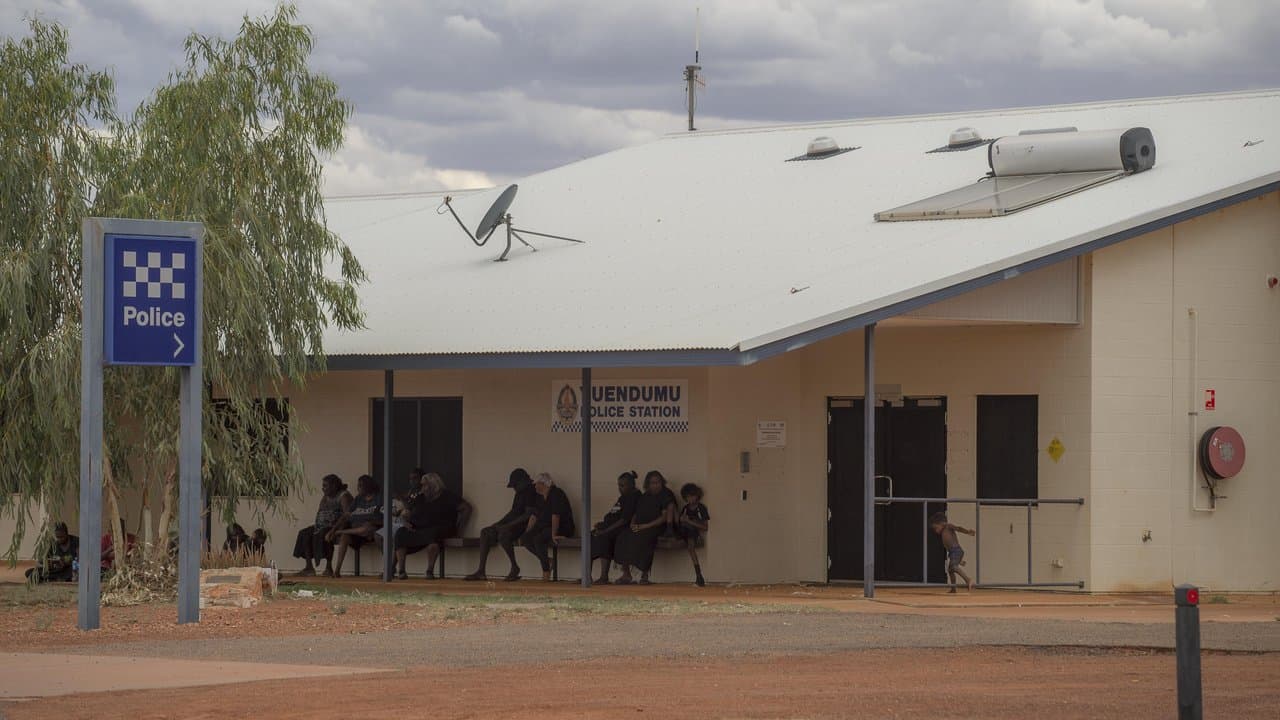
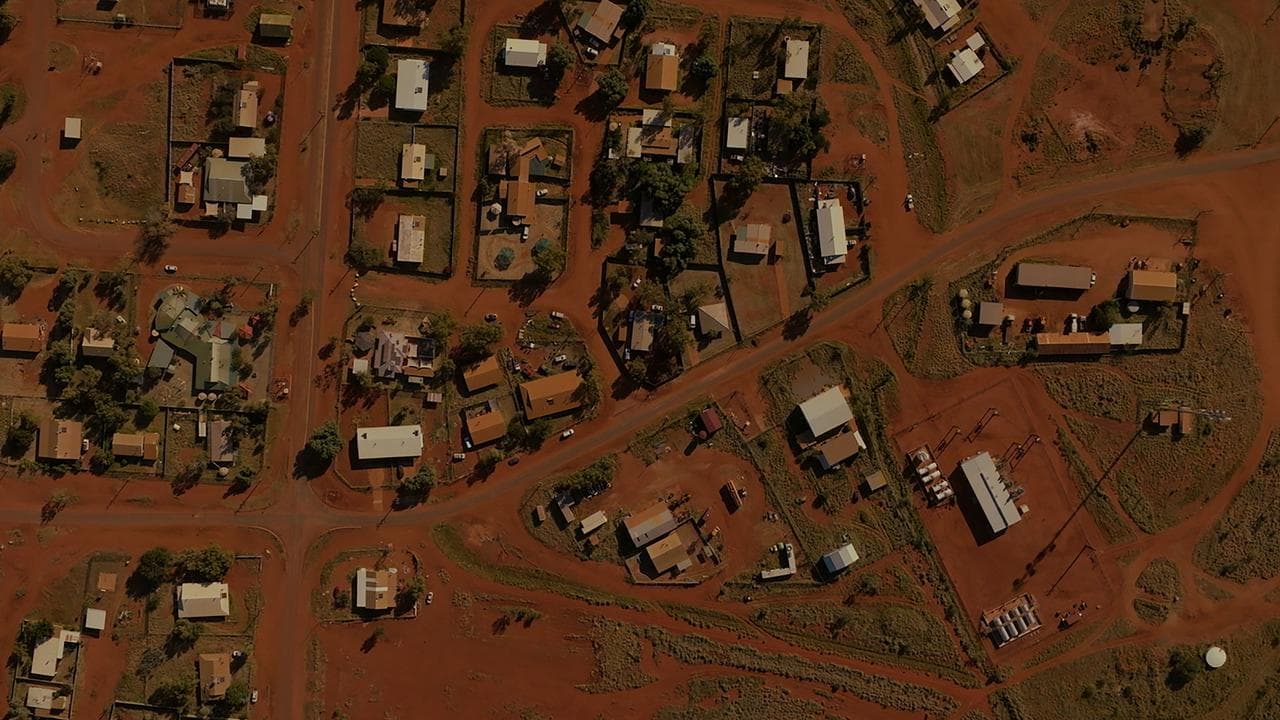
Coroner Elisabeth Armitage handed down her final report, a document spanning more than 600 pages, in the remote community of Yuendumu in July 2025.
She found Mr Walker's death was avoidable and Mr Rolfe was racist, saying she could not rule out that such attitudes contributed to Mr Walker's death.
Judge Armitage also found the Northern Territory Police Force had the hallmarks of institutionalised racism.
Barrister Andrew Boe says the coroner's findings make the question of prevention unavoidable.
"An inquest can expose failures that might otherwise remain hidden," he says.
"More so than any criminal trial, which is not designed to uncover the truth, but its value ultimately depends on what follows.
"Recommendations need to produce changes that people can see and experience."
Mr Boe led a team of barristers - including his daughter Greer - representing the families of Kumanjayi Walker at the inquest.
Working with the families, Mr Boe says, made him realise how much Australians needed to know beyond the headlines - and led him to write 2.6 Seconds.
"I wanted audiences to know Kumanjayi as a person and hear directly from the people living with the consequences of his death," he says.
"Their experience raises questions about Australia that belong to all of us."
Working with Mr Dale and the Blackfella Films team on the documentary was a "deeply collaborative" process - one that carried a considerable responsibility, Mr Boe says.
"When people allow you into their grief, you have an obligation to be careful with what they entrust to you," he says.
For Mr Dale, the series is an invitation to audiences to care.
"All I ask people is just to have an open mind and come to this story and sit with the voices and the people that are telling you this story," he says.
"At the end of it, I think we ask ourselves what is our role in creating and arguing for a change or for a better country, or do we think this is acceptable?"
2.6 Seconds: Death in the Outback premieres on SBS and NITV on Tuesday.
13YARN 13 92 76
Lifeline 13 11 14


