Businesses have been offered a workaround to avoid paying tens of thousands of dollars on restructuring costs to dodge a new tax on trusts.
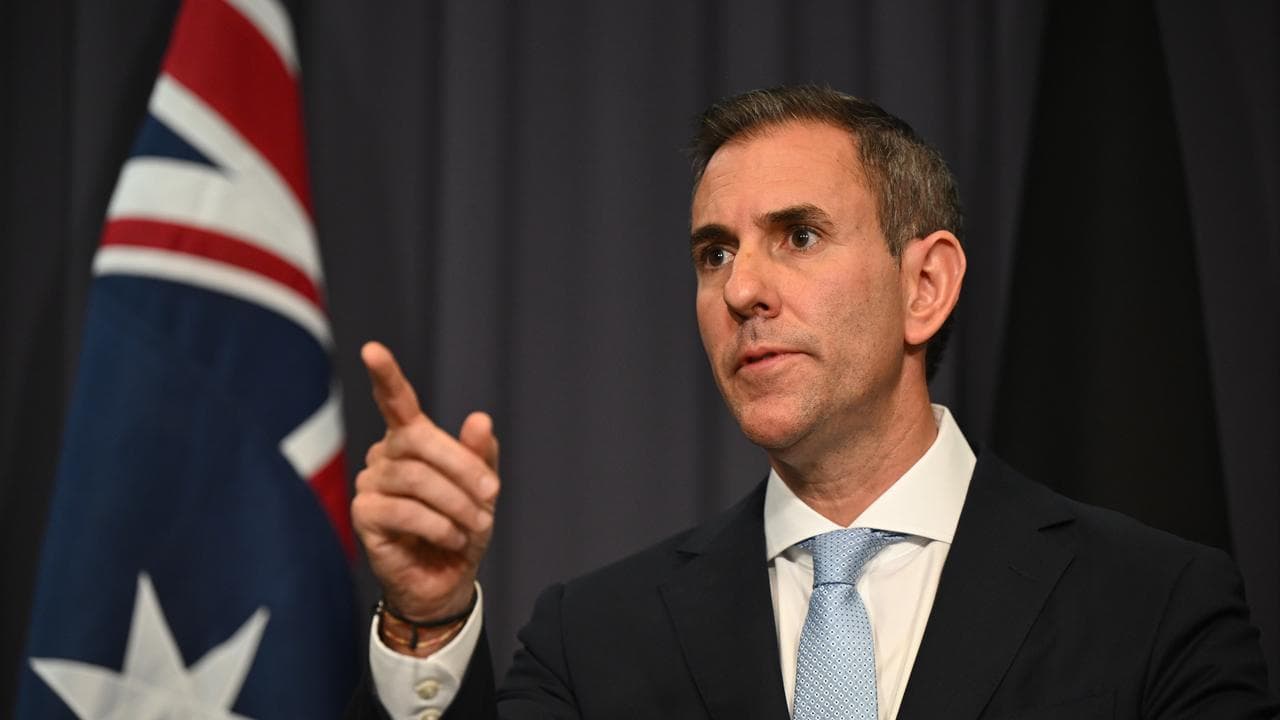
The 350,000-odd small businesses that use a discretionary trust were extended an olive branch on Thursday by Treasurer Jim Chalmers, who revealed a carve-out from costly stamp duties as a result of his budget tax changes.
Small businesses were set for a mass restructuring to avoid having to pay a new 30 per cent minimum tax on trusts by July 1, 2028.

But draft legislation unveiled on Thursday included an option for businesses with a discretionary trust to avoid the new tax by choosing to make fixed distributions to pre-nominated beneficiaries.
Businesses that choose that option would continue to pay tax on distributions at the beneficiary's marginal rate, avoiding the need to restructure and pay state and territory stamp duties.
While the workaround was an improvement on the original proposal, it left the issue of stamp duties unresolved, said accounting body CPA Australia.
Expanded rollover relief will also provide businesses with exemptions to income and capital gains tax for three years if they restructure.
But businesses that choose to transition to a company structure could still be slugged with tens of thousands of dollars in stamp duties, said CPA Australia tax lead Jenny Wong.

She called on the federal government to make stamp duty on restructuring tax-deductible until a more permanent accommodation with the states can be found.
"Deductibility is a practical answer while the longer conversation with the states and territories continues. It shouldn't wait for eight jurisdictions to agree," Ms Wong said.
The new minimum tax was forecast to raise $4.5 billion by 2030 and reduce the number of discretionary trusts, which has more than doubled to around 840,000 in two decades, Treasury said in the budget.
Australian Chamber of Commerce and Industry chief executive Andrew McKellar said few businesses would benefit from the workaround.
Small businesses choose discretionary trusts because they had variable income and relied on the flexible structure, he said.
Also included in the draft legislation were carve-outs for charitable trusts, special disability trusts and testamentary trusts, which were previously promised by the government.
Distributions to sporting clubs from charitable trusts will also be excluded, up to a cap that will be decided on after consultation.
Trust beneficiaries that have to pay the new minimum tax will also be able to receive refunds on franking credits related to their trust income.
Consultation on the draft bills will be open for two weeks.
"We’re big supporters of small business and the government’s tax reform package includes over $3.8 billion in new measures that lower taxes on business to support investment and growth," Dr Chalmers said in a statement.
Shadow treasurer Tim Wilson said slugging small businesses for financial and legal advice, valuations and stamp duty was the last thing they needed amid record high insolvencies.


