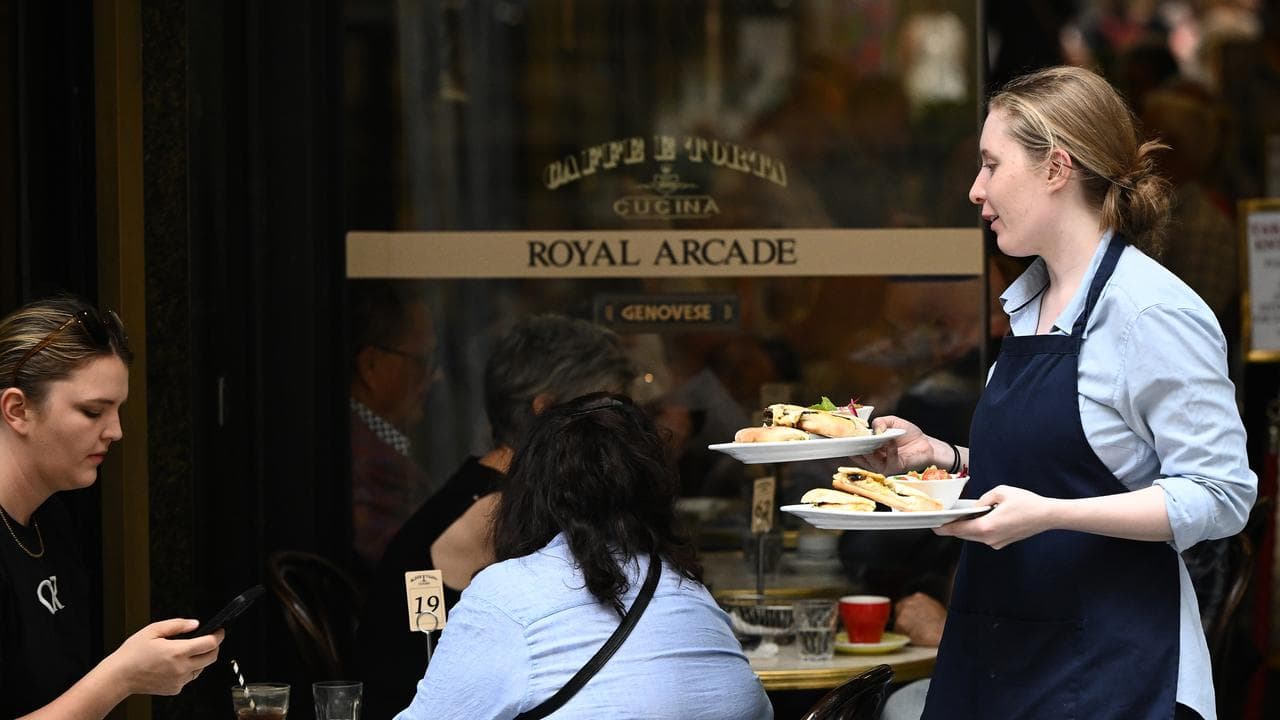
Nearly three million low-paid workers would receive thousands more in annual wages under a union push for a five per cent pay rise.
The ACTU will ask industrial umpire the Fair Work Commission to increase the minimum wage to $26.19 per hour, up from $24.95, in its submission to the annual review for minimum and award wages.
A five per cent increase would lift the annual minimum wage by $2465 to $51,761, while millions of workers on award wages would receive even higher increases.
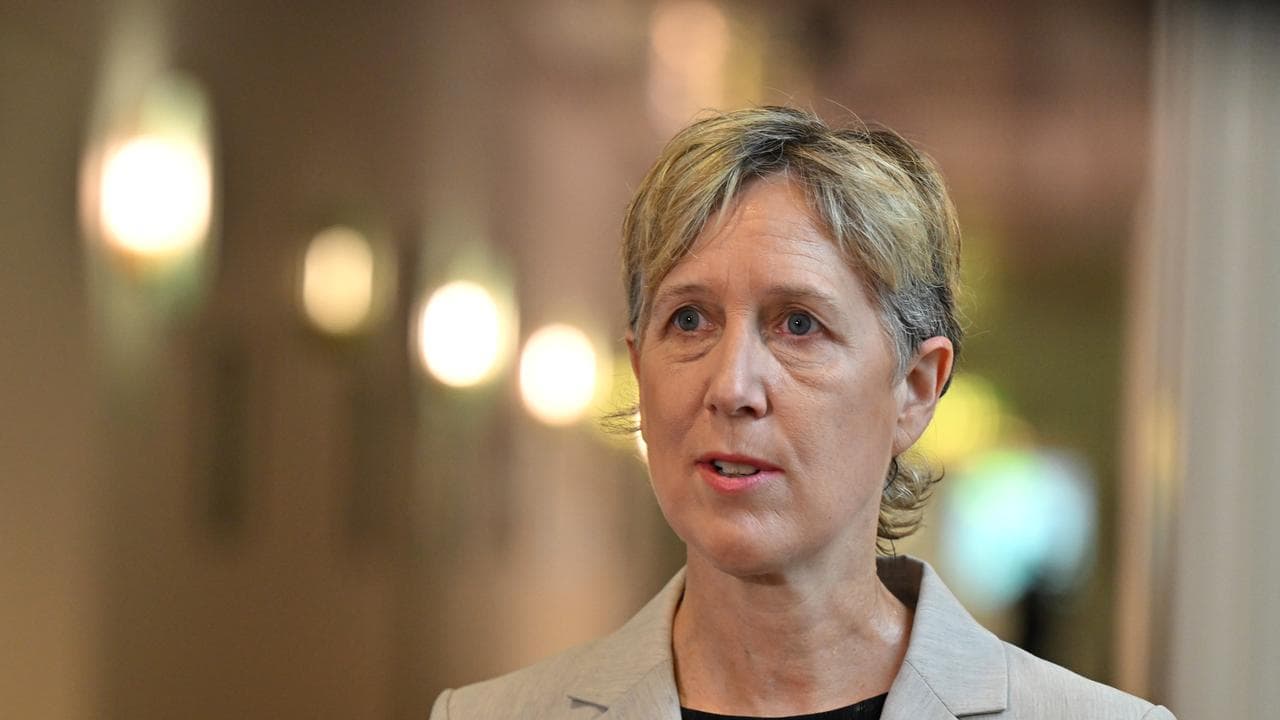
As war in the Middle East pushes up inflation, the pay boost would ensure workers stay ahead of cost-of-living pressures, ACTU secretary Sally McManus said.
"We will not accept the lowest-paid workers in Australia going backwards because of the Reserve Bank and Donald Trump," she said.
"Workers were the ones who felt it the most last time inflation spiked; we cannot let this happen again."
Official data shows inflation rose 3.8 per cent in the 12 months to January.
The Fair Work Commission handed a 3.5 per cent pay rise to minimum and award wage earners from July 1, 2025.
At the time, headline inflation was below three per cent and was forecast to stay within the Reserve Bank's two to three per cent target range.
But a resurgence in inflation and the Iran war has flipped the script.
Private sector economists and Treasury have warned price growth could peak as high as five per cent in 2026 as rising fuel costs ripple through the economy.
Employers say a wage rise above inflation would make the RBA's job even harder.
"The risk is that that will tip fuel onto the inflation fire that we're already seeing, and that'll only put higher pressure on interest rates in the months ahead," Andrew McKellar, chief executive of the Australian Chamber of Commerce and Industry, said.
"We think it's completely unjustified."
Mr McKellar said the ACCI would seek an increase of 3.5 per cent, which would allow for inflation in the middle of the RBA's target band plus a one percentage point allowance for productivity growth.
Westpac senior economist Pat Bustamante said Australia was a service economy, so wages are a big part of input costs for businesses.
"If input costs go up, eventually they get passed through onto the consumer," he said.
Ms McManus said the ACTU's entire wage claim would cost less than $8 billion; smaller than BHP's recent half-yearly profits.
"What has been driving inflation is the cost of housing and petrol companies’ price gouging," she said.
Initial submissions for the annual wage review close on Friday, with the Fair Work Commission expected to release its decision in June.


