
There are no confirmed cases in the United States of the Andes hantavirus outbreak that killed three people aboard a luxury cruise ship this month, but 41 people are being monitored for possible infection.
The US Centers for Disease Control and Prevention on Thursday said the 41 people include passengers who had returned to the US before the outbreak was identified and others who may have been exposed on flights where a symptomatic case was present.
Most of the people being monitored should stay at home and avoid contact with others during the six-week monitoring period, said Dr David Fitter, the incident manager for the CDC's hantavirus response.
The University of Nebraska Medical Center, where 16 of the 18 passengers who were flown back are being monitored, said on Wednesday that one passenger initially placed in a biocontainment unit had been medically cleared to move to a quarantine unit with the others.
The CDC did not give additional information about the patient, whom it initially said had tested "mildly positive" before saying the results were inconclusive and the person would be tested again.
"The testing has happened but again, we do not want to get ahead of the jurisdictions or the states before any announcement about test results or the person themselves," Fitter said on a press call when asked how many people had been tested in the US
"What I can say is that there are no cases in the United States,"
The CDC has more than 100 staff members working on the outbreak, it said on Wednesday, after earlier criticism that US health authorities had not responded quickly enough.
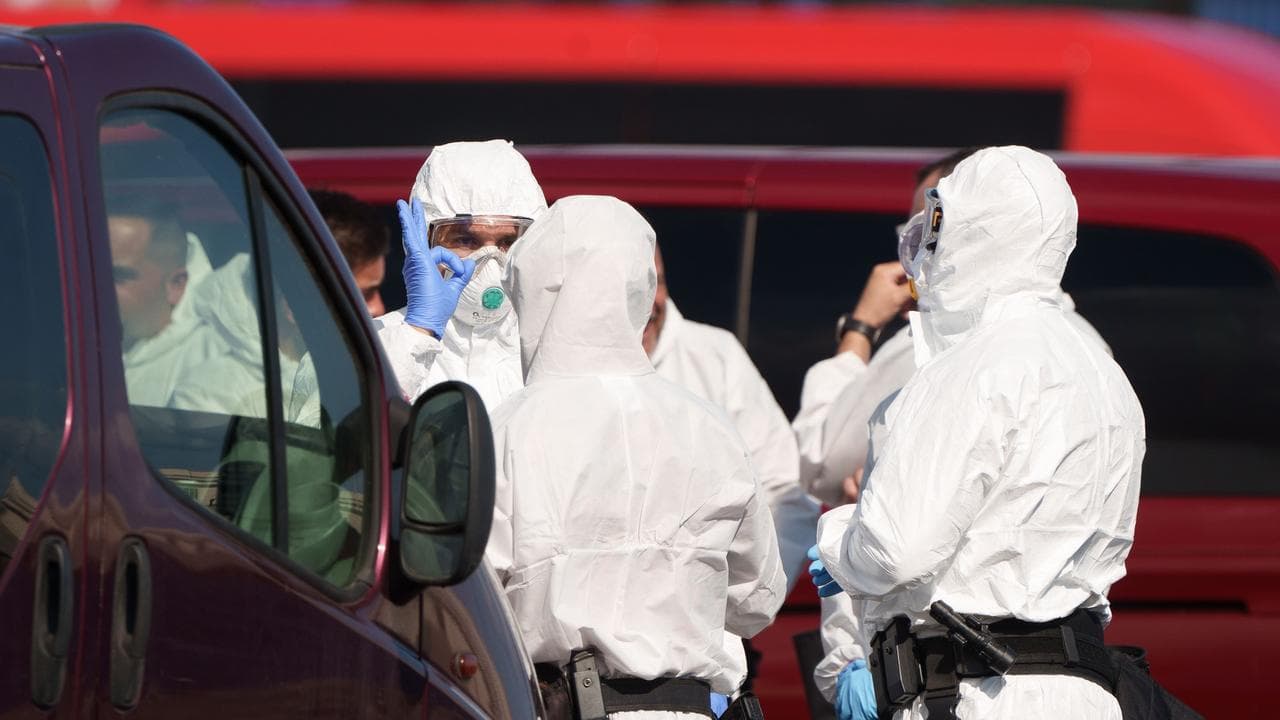
The outbreak of the Andes hantavirus, which is primarily spread by rodents but can be transmitted between people in rare cases, was reported in early May aboard the MV Hondius, a luxury expedition cruise ship.
It has since killed three people, a Dutch couple and a German national.
The World Health Organisation on Tuesday said more cases were expected from the cluster linked to the ship, but stressed it was not comparable to COVID and did not pose a pandemic threat.


