What was claimed
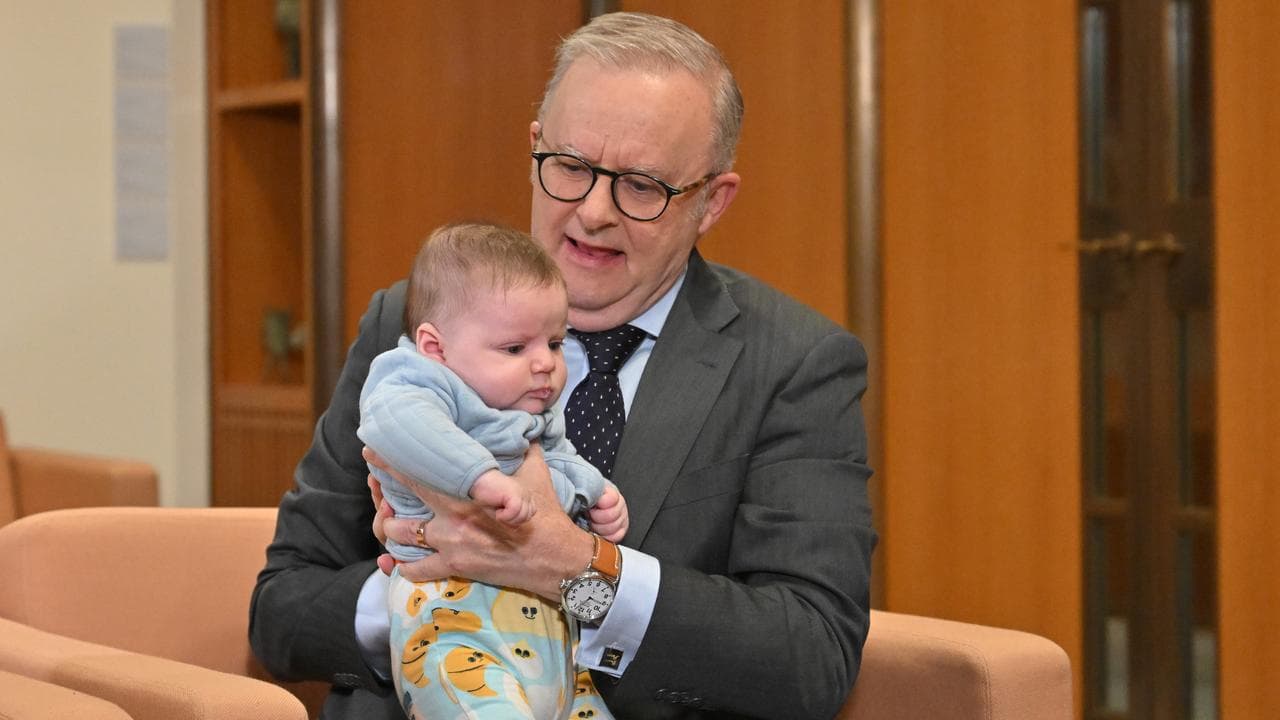
The federal government is going to tax people for having a baby.
Our verdict
Misleading. There's no tax proposed on having a baby, though a draft bill could have tax consequences for some families adding new children to certain trust structures.
AAP FACTCHECK - Australia is not going to tax people for having a baby, despite misleading claims in a viral social media post.
While critics have claimed that recent draft legislation amounts to a "baby tax", this refers to potential tax consequences for some families who add children to certain trusts in future.
The federal government has not proposed levying a tax on newborns.
The claim was made after the federal opposition criticised the proposed changes, with Opposition Leader Angus Taylor describing some provisions as a "baby tax".
A Facebook video posted on September 10 has misleadingly suggested the tax changes will apply to all newborns and has gone viral, gaining more than 480,000 views.
”Are you thinking about having a baby? You’re going to get taxed for that," a man in the video says.
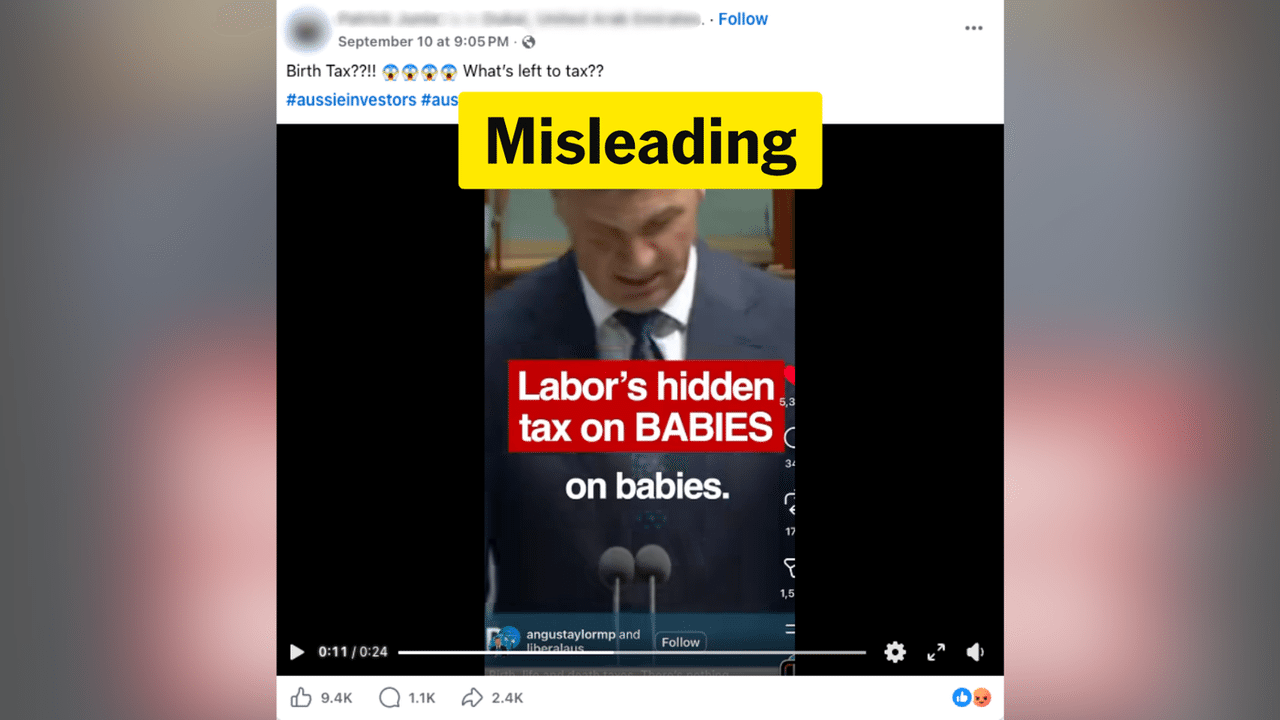
The man then plays a video of Mr Taylor speaking in parliament about a "hidden … tax on babies".
Mr Taylor was referencing media reporting on the draft trust tax legislation.
Critics are concerned that some families who add a newborn to one type of trust could face higher tax rates.
Donovan Castelyn, a tax expert at the University of Tasmania, said the draft bill does not trigger a tax liability when a child is born.
"I would not describe the proposal as a 'birth tax'," he told AAP FactCheck.
But he explained there are concerns about how the proposed changes could affect certain family trusts in some circumstances.
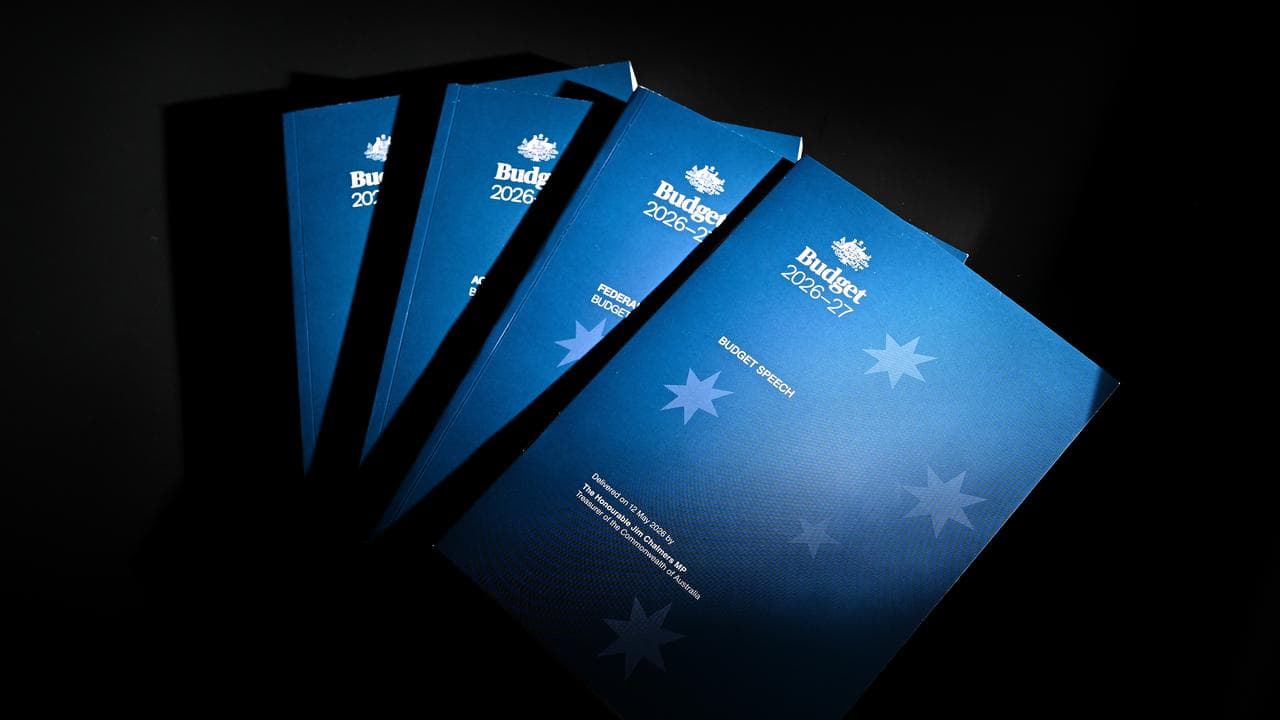
The federal government unveiled proposed changes in the May budget to establish a 30 per cent minimum tax level on discretionary trusts from July 1, 2028.
It is intended to crack down on a practice called "income splitting" where people direct income from trusts to beneficiaries in a way that reduces their income tax.
The government has been consulting with the public about how the reforms should be implemented.
The draft legislation details how affected people can restructure their affairs or secure an exemption to the new tax.
An exemption will be granted if a discretionary trust opts to lock in its beneficiaries and the income they receive from the trust ahead of time, preventing income splitting, according to a document explaining the changes (page 3).
However, Mr Castelyn explained that the draft bill prevents changes to the list of beneficiaries unless they die or there is a relationship breakdown such as divorce.
This means that if a newborn child was added as a beneficiary to such a trust, the exemption would be revoked and the trust would face a significantly higher tax rate.
"The trustee is liable for tax on all the trust’s net income at the top marginal rate plus Medicare levy, rather than only the amount allocated to the child," he explained.
The changes would only impact a relatively small number of Australians.
A fact sheet on the proposal states less than five per cent of individual taxfilers and less than 10 per cent of active small businesses would be affected by any of the trust tax changes (page 1).
The draft bill is also not final and may be changed by the government after consultation.
AAP FactCheck is an accredited member of the International Fact-Checking Network. To keep up with our latest fact checks, follow us on Facebook, Instagram, Threads, X, BlueSky, TikTok and YouTube.


