Australians need to get more financially literate or risk being exploited by an explosion of artificial intelligence scams and financial product advertisements, the regulator warns.
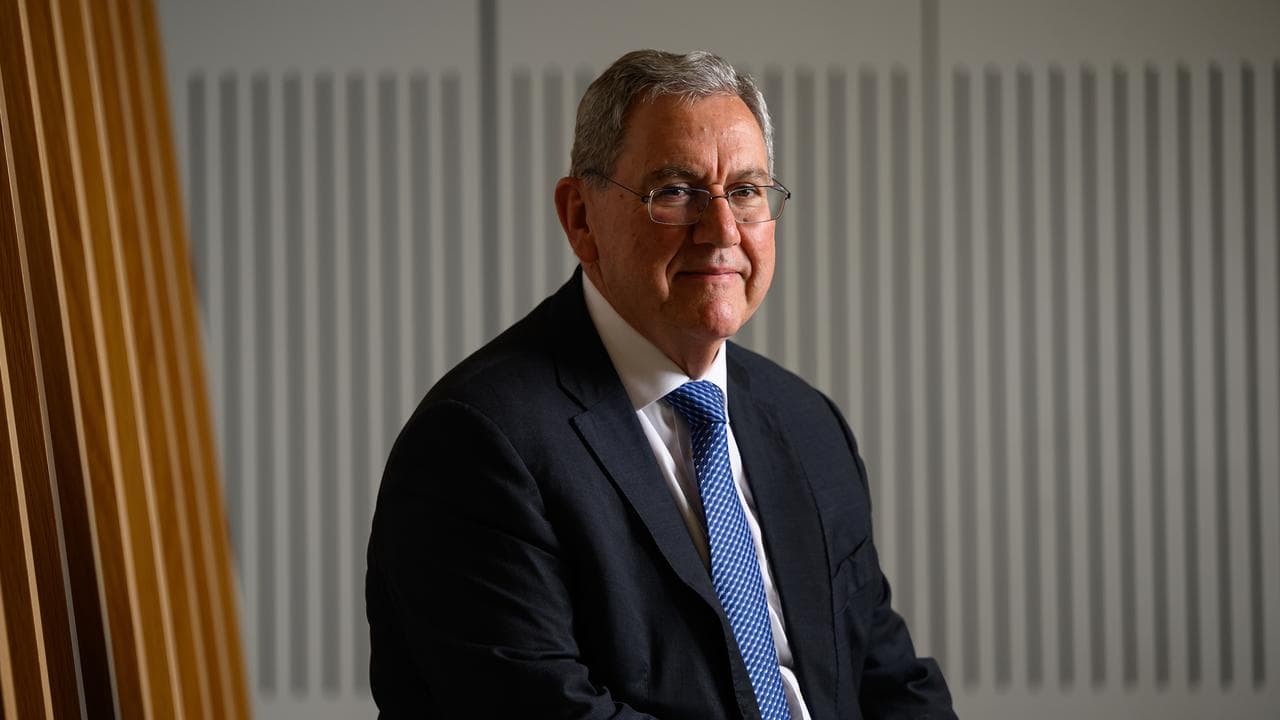
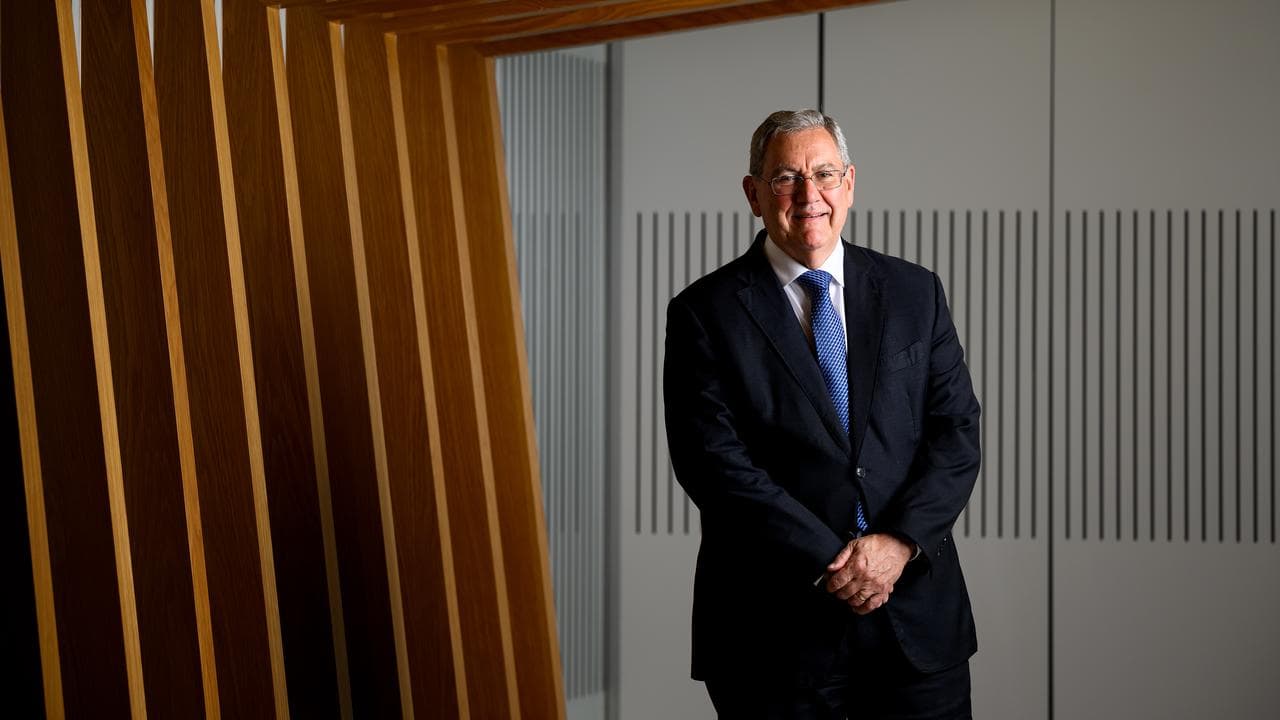
Amid the breathtaking pace of technological change, Australia is unprepared for the disruption that AI will bring, says outgoing Australian Securities and Investments Commission chair Joe Longo.
The financial watchdog is keeping a close eye on the increasingly ubiquitous use of AI agents, which are capable of independently performing tasks with minimal human input.
While a potential productivity boon for businesses, the rapid uptake of agentic AI could amplify harm for consumers, by exploiting things like behavioural biases and amplifying the threat of scams, ASIC warned in its issues outlook for 2026.
Mr Longo said keeping pace with technological change was not only a significant problem for consumers and investors, but posed an "existential risk" for the regulator as well.
"ASIC has invested in AI capability and data literacy and data-enabled decision making ... but I think we need to be investing a lot more," he told AAP.
Rather than taking a whack-a-mole approach by simply focusing on more regulation to address technologically-driven threats as they arise, Australia needed to have a national conversation around strengthening financial literacy.
ASIC planned to continue investing in consumer education programs, such as Moneysmart.
"Prevention is always better than the cure," said Mr Longo, whose term at the head of ASIC finishes on May 31.
"The whole question of literacy around technology is related to financial literacy, because we're seeing a convergence.
"So many financial products are promoted through a range of these technologies or platforms. So I do worry that, as a community, we're not investing enough in our level of understanding around these issues."

The Australian Competition and Consumer Commission recently warned AI agents posed new questions, new risks and regulatory challenges for authorities.
They include determining who is liable for misleading advertising if AI systems are increasingly making decisions and representations on behalf of a business.
The government in 2024 tipped in an extra $120 million in funding for ASIC over four years to improve its data capability and cyber security and modernise its business registry, but Mr Longo said more funding was still needed.
"I think we ought to be resourced more generously, frankly, in this area," Mr Longo said.
"I've been calling for more funding for our digital transformation for some time now."
AI has helped fuel an explosion in advertisements spruiking questionable investments in financial products.
ASIC is already discussing law reform around limiting cold calling and lead generation, which drove customers to invest in the collapsed Shield and First Guardian master funds.
"But generally, we're talking about advertising that isn't regulated," Mr Longo said
"So what we're calling for is greater consideration of whether that kind of advertising should be restricted in some way, or carrying with it warnings that before you go ahead, you should get proper financial advice from a licensed financial advisor.
"We've just seen too many examples at the moment of people losing their money in circumstances where they're investing their life savings, for example, chasing a higher return."

Other key issues ASIC is keeping an eye on in 2026 include some familiar concerns, like cyber attacks, the rising exposure of mum and dad investors to private credit markets, and super funds' operational failures, such as delays in processing death benefit claims.
But some emergent issues are also keeping the regulator up at night.
ASIC flagged it would be monitoring the banking sector to ensure lenders, who are feeling their margins squeezed by heightened competition, did not resort to tactics that harmed consumers.
"The competitive dynamics at play in Australia could incentivise relaxed credit assessments, larger or unsuitable loans, product changes for lower-margin customers, and aggressive marketing that steers consumers towards higher-risk products," ASIC said.


