More Australians are upgrading the tech in their homes to not just to keep the lights on but make sure they stay connected during natural disasters.
From solar panels and batteries to electric cars and better broadband, experts say at-risk households can take action to avoid being cut off for days at a time.
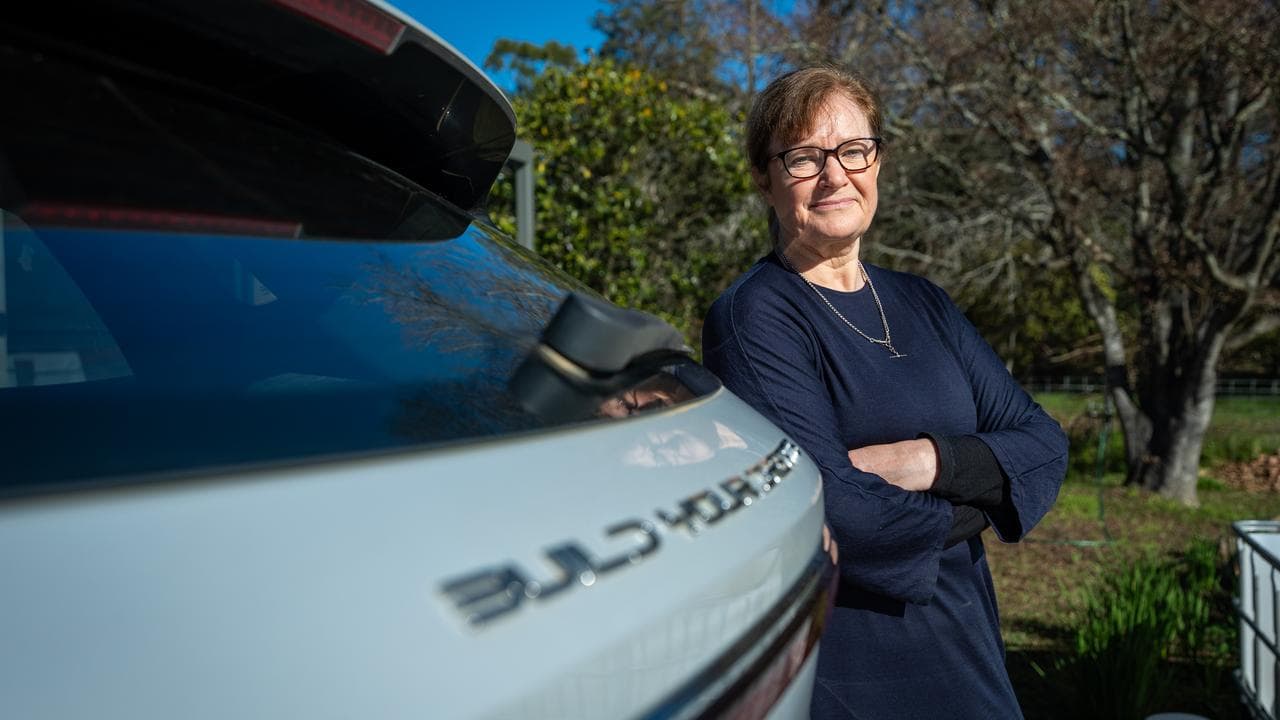
Disaster-proofing upgrades were high on Jenny Bailey’s to-do list when she moved to Porepunkah, in northeast Victoria, two years ago.
“It’s a regional area, it’s bushfire-prone, it’s flood-prone, so it’s nice to feel a little more resilient,” she said.
“If we get serious bushfires here, the power could be out for days.”
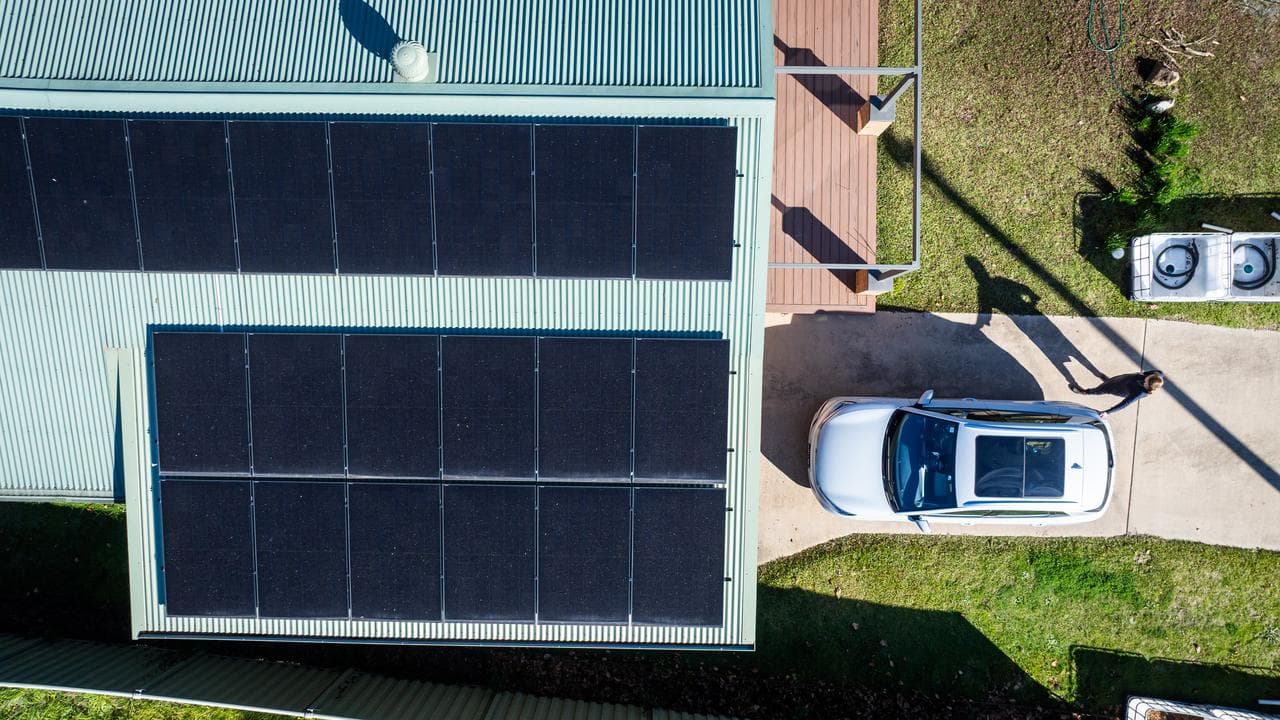
Her household upgrades started with solar panels to provide inexpensive, environmentally friendly electricity, Ms Bailey said.
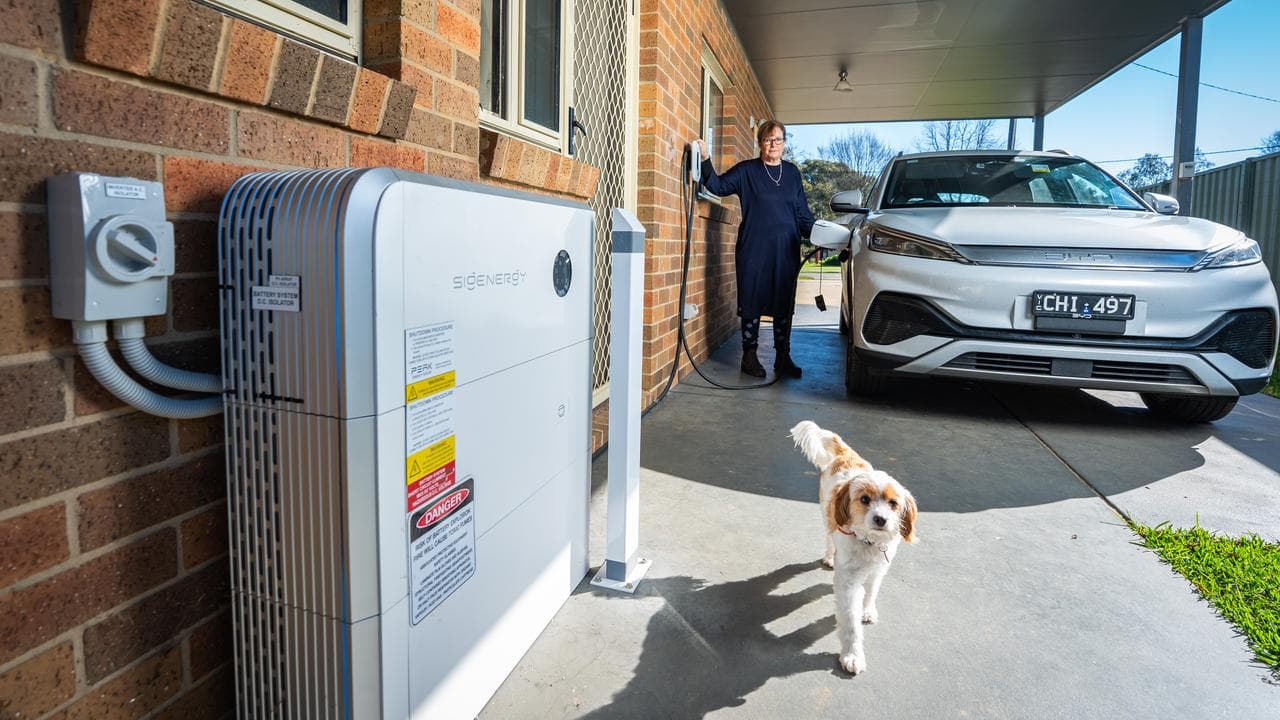
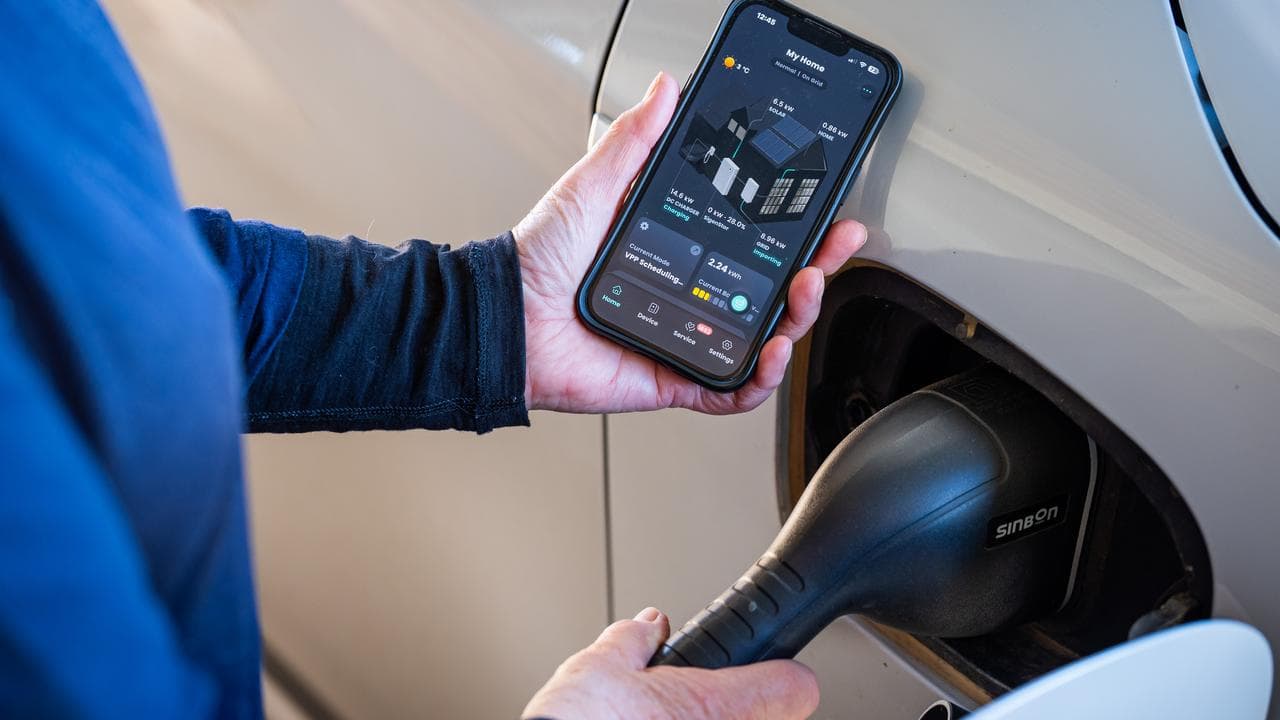
But they soon extended to a small home battery for power storage, an electric car and a bi-directional charger to connect it to the grid.
Connecting the vehicle proved challenging to organise with her provider.
Yet it allowed her store huge amounts of electricity to power cooling, heating and cooking appliances in her home and to sell power during peak periods.
The set-up, which saved her about $5000 a year, also powered her upgraded fibre-to-the-home broadband, she said, which kept her household connected during local outages.
“The other day I had the next-door neighbour come over and ask, 'Is your power off?' and I rather smugly turned my power on,” she told AAP.
“I did get a text message from Ausgrid to say that the power was off but I hadn’t noticed.”
Research undertaken by NBN Co found more than one in three households have connected smart energy appliances such as solar panels, batteries and electric cars to the internet.
It's a figure that has grown eight per cent in a year.
Combined with internet upgrades replacing copper with fibre technology, NBN resilience and asset management executive general manager Darren Mills said the technology was protecting Australians from being cut off during emergencies.
“It’s not just about electric vehicles; that’s a new benefit that’s evolving," he said.
"But people with solar, people with batteries, people with generators and a fibre-to-the-home connection deliver a more connected community.
“It begins to future-proof your house.”
Fibre connections are a passive technology and not affected by water inundation, Mr Mills said.
It makes them six times more resilient than the fibre-to-the-node connections they replace.
More than 3.19 million homes and businesses have upgraded to them so far but five million properties remain eligible for the free upgrade.


