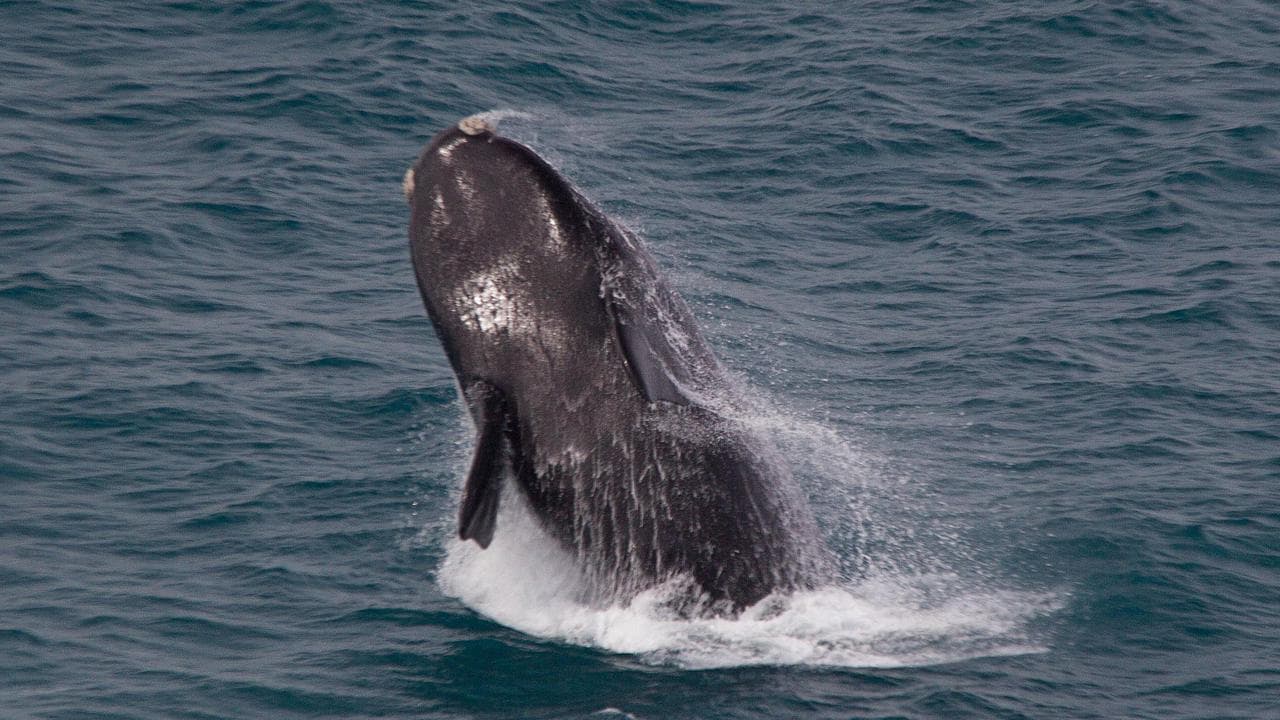
More hardware, more software and more researchers are being deployed along Australia’s east coast to track a growing whale migration season, and what they are finding is straight out of a movie.
Marine experts from Griffith University and Google are installing more underwater microphones off the Queensland coast this week, in an expansion of a whale-tracking project using artificial intelligence.
Experts say the technology is finding whale species in unexpected places, in addition to “mystery noises” resembling the swish of a lightsaber that the mammals use to communicate.

The firms launched the whale-tracking project in 2024, funded through Google’s Digital Future Initiative and designed to use sound recordings to track whales rather than visual sightings.
While the project began with three underwater microphones, called hydrophones, it will expand to 14 in 2026, placed between Lizard Island in Far North Queensland and Bateman’s Bay off the NSW South Coast.
Installing a hydrophone off the Sunshine Coast on Sunday provided instant data and entertainment, Google Research data scientist Dr Lauren Harrell said, as it captured a curious sound from a southern dwarf minke whale.
“One of our recordists heard a mystery noise and was asking me what it was, and I was like ‘oh please, let this be one of the fun, mechanical noises… oh my god, that’s the Star Wars call',” she told AAP.
The sound, which mimics the whirr of a lightsaber, is typically heard on the Great Barrier Reef.

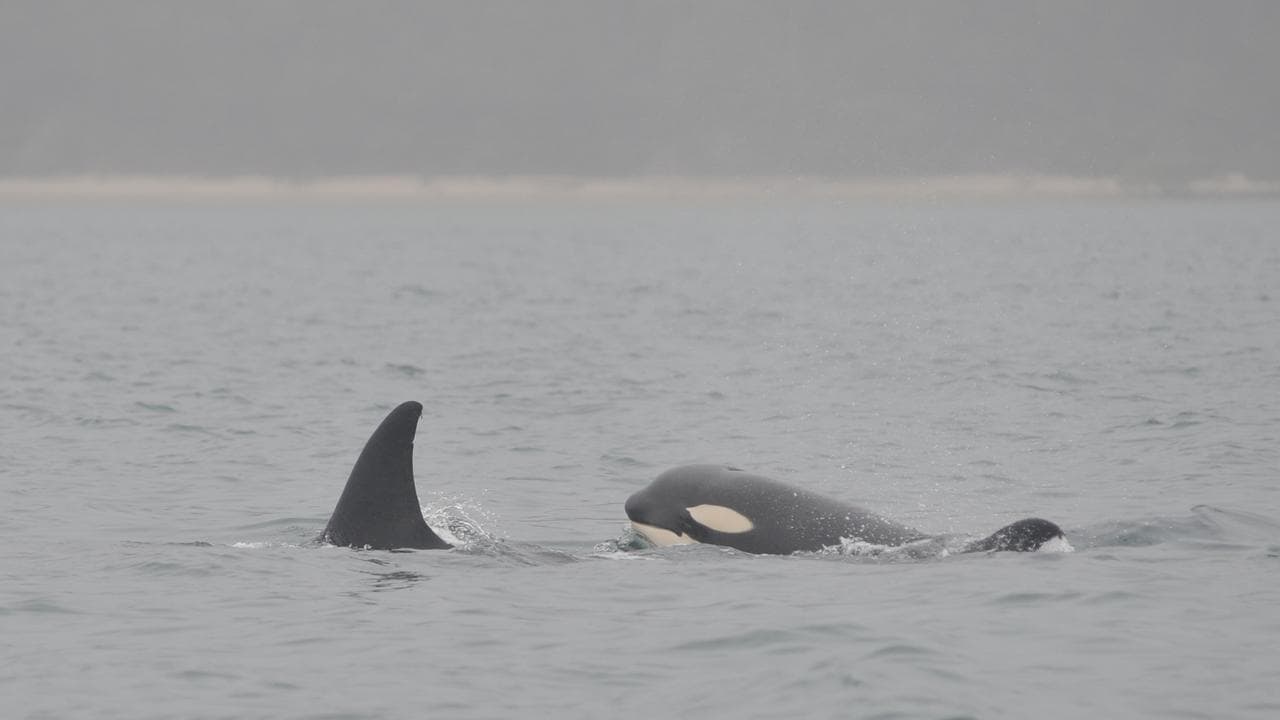
The project had found whale species in unexpected locations, such as orcas off the Gold Coast, Dr Harrell said, and used AI to scan recordings for particular whale sounds.
“We’re using bioacoustics foundation models that are very good at separating the features that are really important for biological sounds,” she said.
“A lot of these models are trained primarily on birds.”
By using microphones placed 500km apart, researchers could track minke whales, southern white whales, orcas and other pilot whales, Griffith University research fellow Dr Olaf Meynecke said, and they collected 10 terabytes of recordings in 2025.
“It’s obviously a lot of data so that’s why it’s good to have Google on board and be able to utilise its resources and expertise when it comes to AI,” he said.
Tracking whale migration had become crucial as their season expanded, Dr Meynecke said, potentially caused by climate conditions and food availability.
“Humpback whales come earlier and earlier to Australia every year so we want to pick up this as additional data so we can link it with environmental factors,” he said.
“In most populations, they have reduced their time in Antarctica and they’re spending more time in migration and breeding areas.”
The researchers will publish collected data on Kaggle and GitHub.


