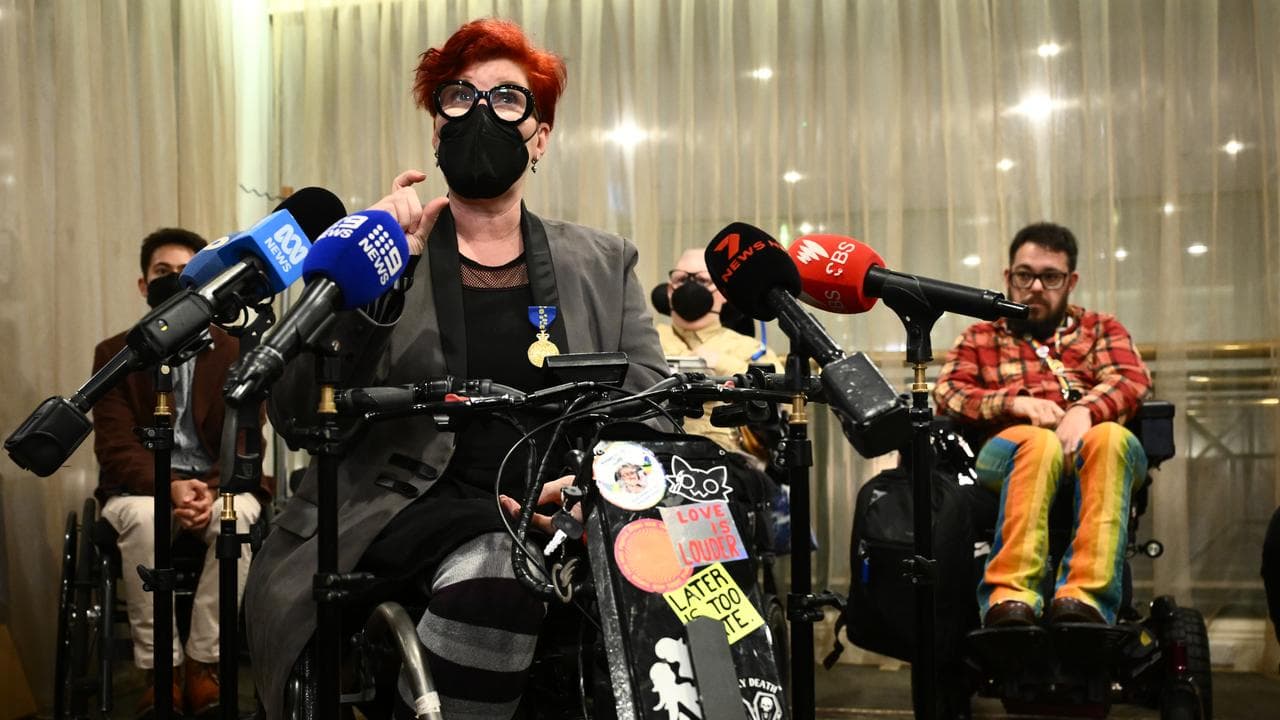
Disabled Australians have slammed a huge overhaul of funding that would give a single minister the power to cut support as they see fit.
People have been given just over a fortnight to respond to laws which would deliver the largest ever cuts to the National Disability Insurance Scheme.
Disabled people are at risk of losing their independence and enjoyment as a result, a senate inquiry into proposed changes was told on Tuesday.
The Albanese government maintains the cuts are needed to curb a $50 billion spending blow out in the scheme.
About $11 billion of the $16.6 billion savings forecast for 2029/30 will come from eligibility changes, including more detailed assessments, modelling from the Grattan Institute shows.
The changes are likely to reduce the number of NDIS participants to 598,000 in 2030/31 - a third of the expected cohort if no changes were made.
Advocacy groups say the plan is dangerous and has been left without appropriate guard rails.
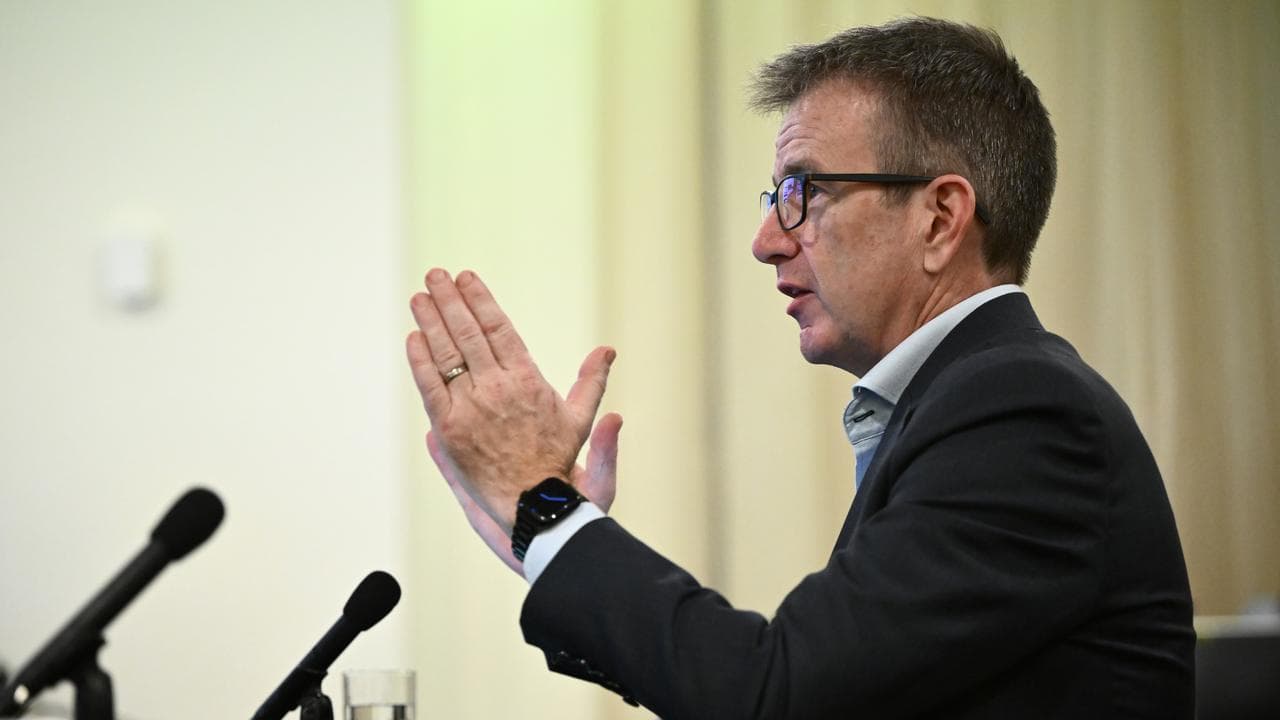
Sweeping powers proposed for the NDIS minister could mean people lose funding "at levels below what is deemed reasonable and necessary”, Down Syndrome Australia chief executive Darryl Steff told the inquiry.
“I don’t think those sorts of powers should sit with a minister because there is no opportunity for any review or any consultation with the community," Mr Steff said, calling for funding changes to be part of primary legislation.
Explanatory notes accompanying the bill say the minister would first slash social and community budgets, which cover things like hiring support workers to attend events, shopping and appointments, by 50 per cent.
The changes could put the dignity of disabled Australians "back in the 1970s", disability advocate Sam Connor said.
"The idea of the NDIS was so that we could take an equal part in society, we could get jobs, we could go and be part of the community," she told reporters in Melbourne.
Mr Steff said families would be left to take on an extraordinary amount of caregiving, and demand for mental health and crisis centres was likely to swell too.
He, like many who spoke at the inquiry, said changes to the NDIS needed to be made, but the execution was not appropriate.
"Clients will be faced with stark choices about what supports they give up," he said, citing examples of teenagers needing to leave sporting teams or a 21-year-old who was becoming reliant on her parents again.
A 2020 report estimated it would cost the government $77.9 billion to replace unpaid disability care with paid support - more than twice the NDIS bill for the same period.
The blunt approach would mean even those who recently had their social funding cut under revisited NDIS plans would be subject to the changes.
The Child and Family Disability Alliance recommended family and household circumstances be taken into account when funding is assessed, so people do not lose NDIS help in circumstances where they can not afford to replace it privately.
The inquiry will continue until Thursday.


