
Racism in Australian workplaces would be probed by a national inquiry as sex discrimination was, if a commissioner and the unions' calls are heeded.
The ever-changing face of its victims shows racism is not improving and remains a structural defect in Australia, the nation's race discrimination commissioner warns.
Surges in racism over the past five years have been driven by COVID-19, the Indigenous voice referendum, the October 7 attacks and anti-Indian political messaging.
"The target might keep changing, but the racism will keep going on," Race Discrimination Commissioner Giridharan Sivaraman said on Wednesday.
Advocates say systemic racism is stopping people progressing in their jobs but data is often incomplete because people are afraid to come forward or don't know where to make a complaint.
The commissioner joined unions and academics at Parliament House on Wednesday to call for a national inquiry into racism at work.
The 2018 Respect at Work inquiry into sex discrimination, which had all 45 recommendations implemented in policy, is the model touted to deliver results on racism.
"An inquiry into racism at work has the potential to ... change workers' lives and workplaces for the better," Australian Council of Trade Unions president Michele O’Neil said.
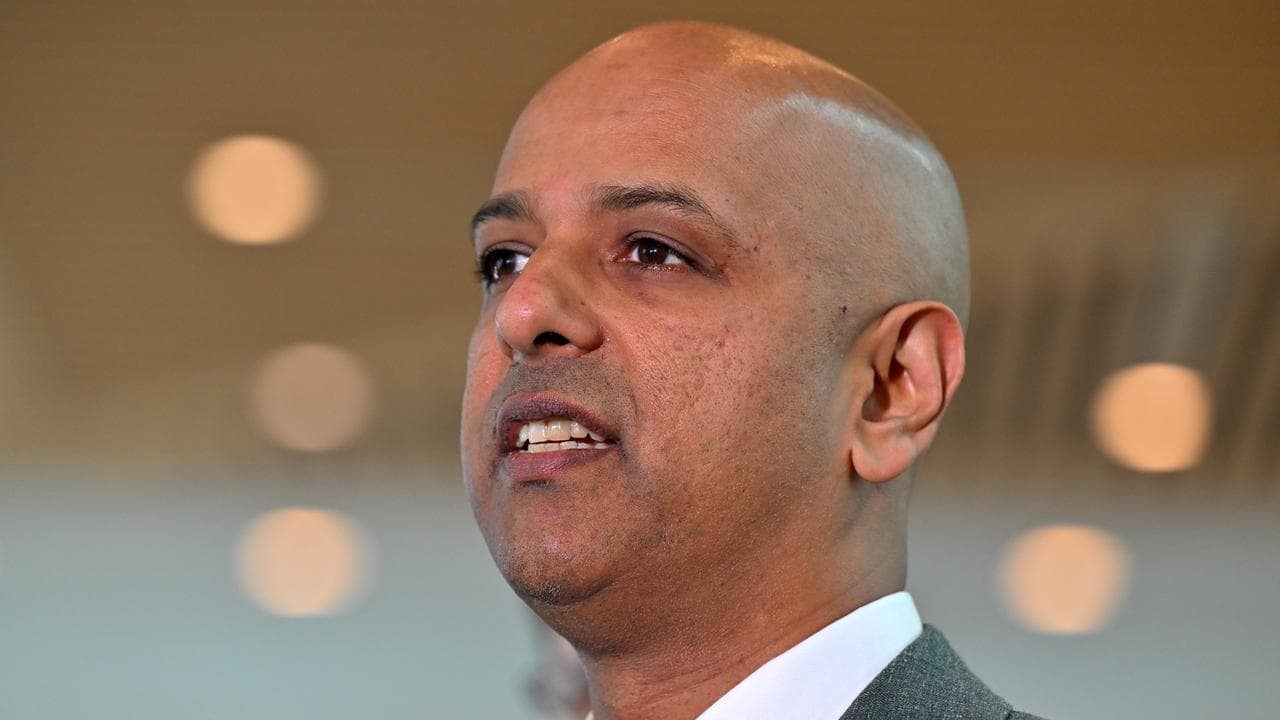
Workplace racism could take the form of a lack of recognition of skills for some migrants or forcing some groups to undertake English proficiency tests, Mr Sivaraman said.
"But we don't know the full extent of it. We don't know how it's impacting people's lives," he said.
"We know that it diminishes people and it damages our economy and our society as a whole, but we need to learn more."
Unions received complaints in every industry and sector but migrant workers in regional areas were particularly at risk of racist exploitation, Ms O'Neil said.

"In the agricultural sector, we have large numbers of workers coming in on visas, who often are hidden away," she said.
"They're more vulnerable because they don't have permanency here, but they often experience racism and, in fact, violence in the workplace."
Labor is yet to commit to the national anti-racism framework, which was handed down by the Australian Human Rights Commission last November.
"If you want a society where people get along and do better, you can't get there by pretending racism doesn't exist," Mr Sivaraman said of the government's lack of action.
"We can't just hope that it'll fix itself."


