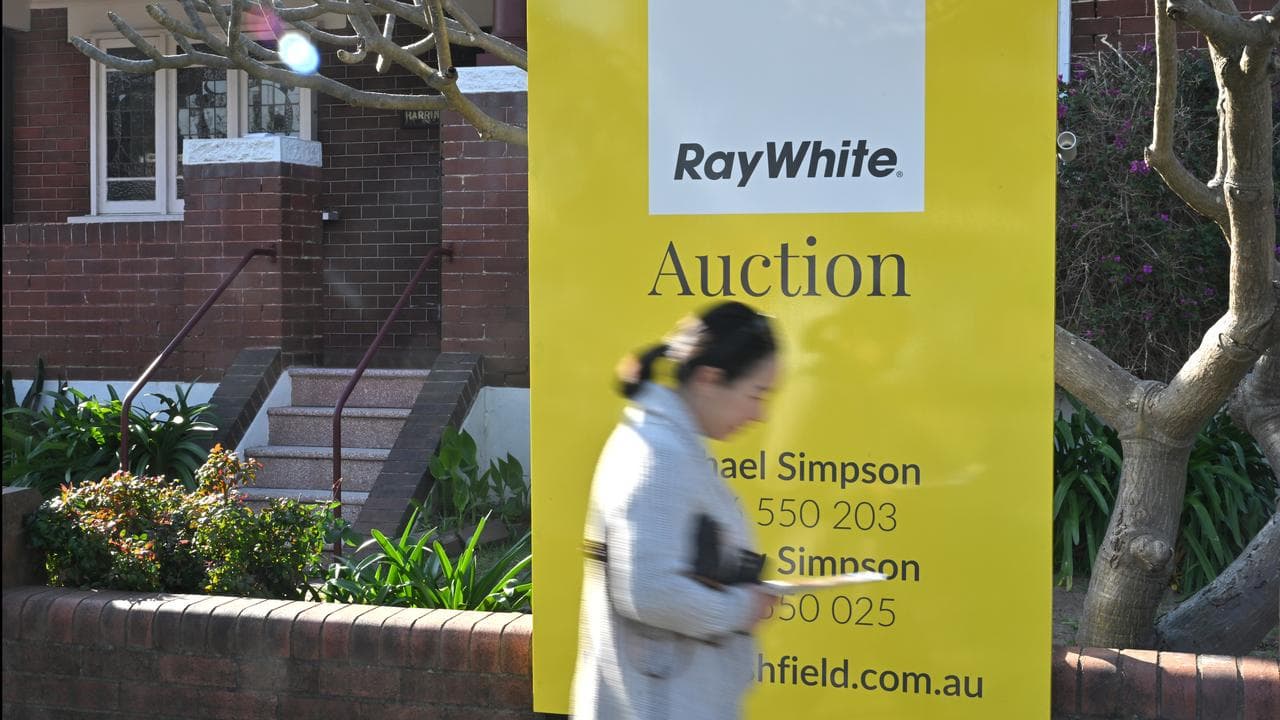
Young women consider owning a house less of a priority than men their age, with many citing affordability and not being able to qualify for a mortgage as major barriers.
Women in both the millennial and generation Z age groups consider property ownership less important than men, according to data firm Cotality's sixth annual Women and Property Report.
Fewer than 40 per cent of gen Z women - those born between 1997 and 2012 - consider property ownership highly important, compared with almost half of gen Z men.

There was a similar divide among millennials - those born between 1981 and 1996 - with 58 per cent of women rating property ownership as highly important, compared with 67 per cent of men.
The data suggests affordability pressures could be reshaping long-held aspirations, particularly among younger women who face greater difficulty building the savings needed to enter the property market, Cotality Australia head of research Gerard Burg said.
“These findings raise important questions for policymakers, industry leaders and financial institutions about how to better support young Australians - especially women - in achieving property ownership if it remains a national goal," he said.
"Women's property aspirations are also constrained as the gender pay gap builds over the course of their careers."
It comes as separate research shows just how steep the barriers to entry for first-home buyers have become, with affordability worsening nationwide in 2025 despite three rounds of interest rate cuts.
Entry-level house prices rose 68 per cent nationwide, more than tripling the 21 per cent growth in wages across the year, according to Domain's First Home Buyer Report 2026.
"We're creating whole waves of generations that are just not going to be able to purchase a home," Domain's chief of research and economics Nicola Powell told AAP.
"For some, it's a dream that they don't ever think will become a reality."
Across the combined capitals, repayments on entry-level houses consume almost half a typical young couple's income, up by almost 24 per cent in five years and well above the 30 per cent mortgage stress benchmark.
Crucially, those figures are based on dual-income households.
For women attempting to enter the market on a single income, the deposit hurdle and serviceability burden are often significantly greater.
The gender pay gap accelerates across a woman's working life, peaking in her late-50s and leaving female workers millions of dollars short of men over their careers, a 2025 report by the Workplace Gender Equality Agency found.
Between 20 and 24 years, the gender pay gap becomes 1.1 per cent in favour of men and then rises significantly to a peak of 31.4 per cent between the ages of 55 and 59.
This equates to a difference of almost $53,000 in the average total remuneration of women and men.
Up-front and ongoing costs including deposits, stamp duty and transaction fees are the main obstacles for would-be buyers, with the challenges disproportionately affecting women.
Despite the changing attitudes of younger generations, property ownership still underpins financial security, wellbeing and long-term opportunity, Cotality chief commercial officer Lisa Jennings said.
"Saving for a home deposit has become significantly harder for many young Australian women, particularly as they navigate lower average earnings, career breaks and rising living costs," she said.
"If we want property ownership to remain an achievable goal, it’s critical that governments, industry and employers work together to remove barriers and provide targeted support that helps women build savings and enter the market with confidence."


