What was claimed
National Australia Bank confirmed rents will rise 30 per cent due to Labor's tax changes.
Our verdict
False. The bank assessed a theoretical scenario following the tax changes but did not forecast they'd lead to a 30 per cent rise in rents.
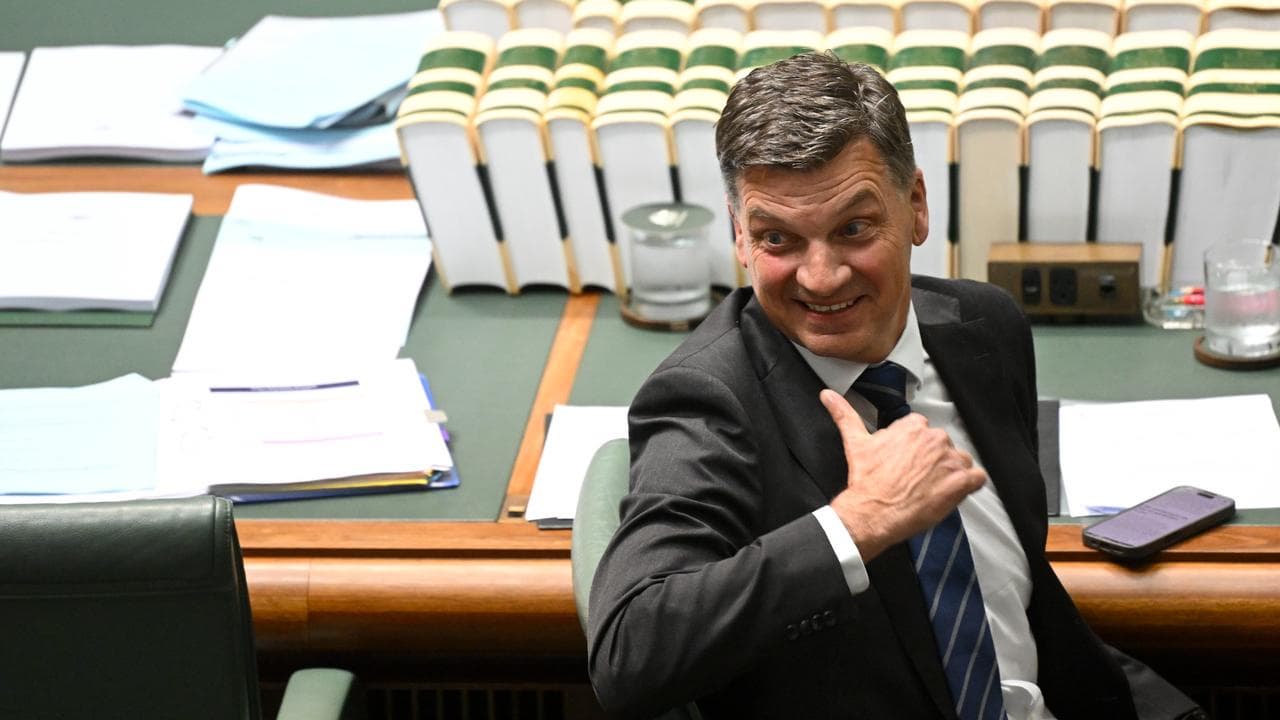
AAP FACTCHECK - Opposition Leader Angus Taylor is falsely claiming one of Australia's largest banks confirmed rents will rise 30 per cent due to Labor's tax changes.
The National Australia Bank (NAB) has said it did not forecast a 30 per cent rent increase and a leading economist described the suggestion as "fatuous".
Mr Taylor made the false claim during Question Time on August 18, when he asked Prime Minister Anthony Albanese to “guarantee” rents would not rise by 30 per cent.
"The National Australia Bank has confirmed that Labor's toxic taxes will send rents soaring by 30 per cent,” the opposition leader said.
"Will the Prime Minister guarantee rents will not go up by 30 per cent?"
The exchange follows changes announced in May’s budget that axed negative gearing on some investment properties and amended capital gains tax rules.
Mr Taylor's office told AAP FactCheck that his claim was based on a section of a recent NAB newsletter published on August 17 and reported by The Australian.
His office also pointed to research by real estate company Ray White about how Labor's changes to property tax breaks will impact rents.
Deputy Liberal leader Jane Hume made a similar claim that NAB said rents will rise 30 per cent in an August 19 Facebook video (timestamp 12 seconds), saying: “Yesterday NAB came out and said rents would rise by 30 per cent because of Labor’s tax changes," Ms Hume said. "Today, it’s real estate agent Ray White doubling down.”
But NAB’s newsletter did not actually model the impact of Labor's tax changes, nor did it forecast rents would rise 30 per cent in response.
One section of the newsletter stated that rental yields - the amount of rent relative to a property's value - would need to rise to compensate investors for the tax changes.
The note said that if rental yields were to increase by one percentage point and property prices did not change, rents in Melbourne and Sydney would need to rise by 25 to 30 per cent to achieve this.
A NAB spokesperson told AAP FactCheck the one percentage point figure was not an estimate of the yield increase required to compensate for the loss of tax concessions.
Instead, it was more an illustration of the relationship between yields, rents and house prices.
"The one per cent figure was intended to get a sense of magnitude on rents/prices," the spokesperson said.
The newsletter went on to say that an increase in yields would more likely include “a combination of both higher rents and lower dwelling values”.
For example, if house prices were to fall, this would also increase yields with more modest rent increases.
The following day, on August 18, NAB clarified its analysis in another note to investors, seen by AAP FactCheck, that said the reference to rents rising 25 to 30 per cent was not a forecast.
“Rental yields can move higher either because 1) rents rise; 2) dwelling prices fall; or 3) some combination of both higher rents and lower dwelling prices,” the August 18 note said.
"In yesterday’s note, we outlined one possible scenario which assumed that the adjustment in gross rental yields took place in an environment of unchanged dwelling prices.
"This was not a forecast and it is important to note that we do not forecast rental yields.
“In reality, the adjustment will likely take place via a combination of lower dwelling prices and higher rents.”
NAB's August 18 clarification was published several hours before Mr Taylor made his claim in Question Time - a fact noted by the prime minister in his response.
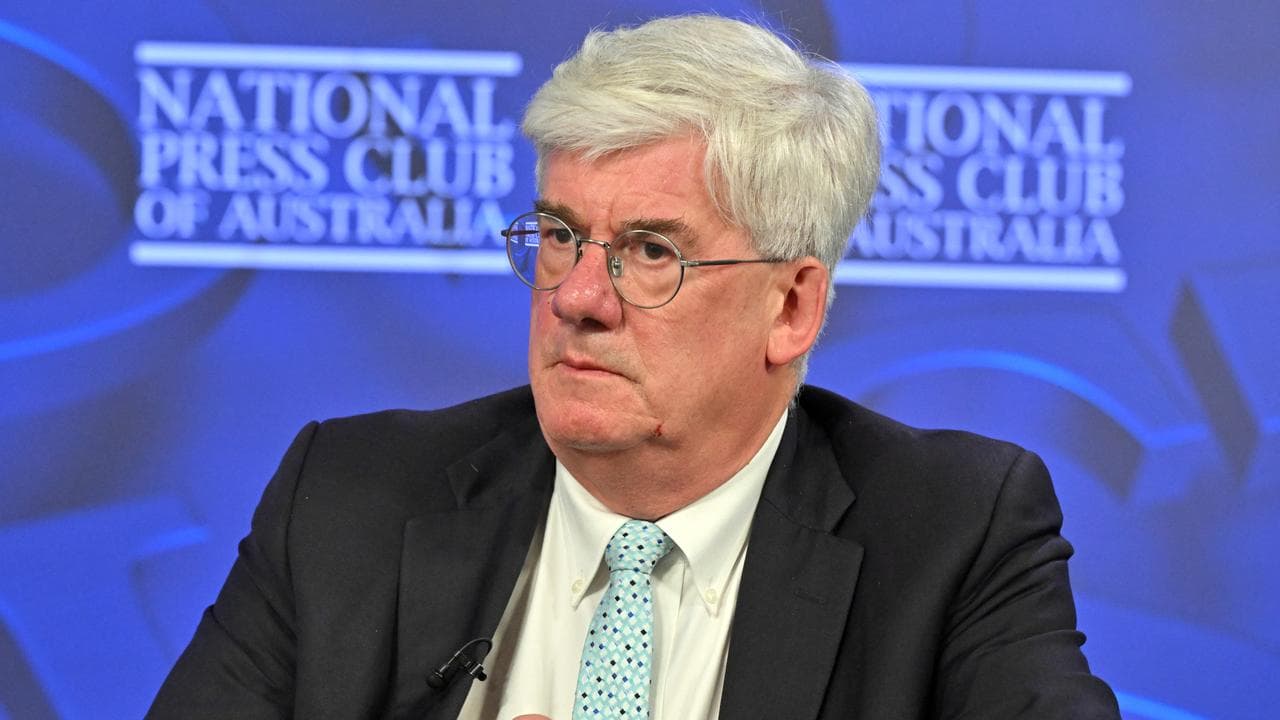
Economist Saul Eslake said NAB did not forecast a 30 per cent hike in rents.
"The interpretation which some have placed on NAB's work is completely fatuous,” Mr Eslake told AAP FactCheck.
Existing investment properties owned before budget day were also unaffected by the negative gearing tax changes because they were exempt under grandfathering rules, Mr Eslake said.
Unlike the NAB newsletter, Ray White’s analysis actually did attempt to gauge the rent increases required to fully offset Labor's tax changes.
It said this would require rents rising "by around 30 per cent" in a scenario in which property prices did not fall.
But it said this scenario was unlikely and an increase in rental yields would more likely involve both lower property values along with more modest rent increases.
"The adjustment is likely to occur through both sides of the market," the analysis explained.
"Slower growth in rental supply supports rents, while softer investor demand can moderate prices."
A Ray White spokesperson later clarified that the 30 per cent figure “was not a forecast of rent growth”.
“It was a modelling scenario showing how much rents would need to rise, if property prices did not change, for investment yields to return to a minimum hurdle [minimum return required to make property investment returns competitive] without negative gearing," the spokesperson told AAP FactCheck.
Mr Eslake said the key factor in how rents change is the balance between supply and demand of rental properties, measured by the vacancy rate, not the costs faced by landlords.
"Rents are not set as the cost of owning and maintaining a rental property plus a profit margin," Mr Eslake said.
"If it was, then rents should have gone down last year thanks to the three reductions in official interest rates. They didn't."
It is also possible that rents could fall as a result of the tax changes if an increase in first homebuyers reduced the demand for rental housing, he said.
"It is one of a number of possibilities, and I would say a more likely possibility than that of rents rising by 30 per cent."
AAP FactCheck is an accredited member of the International Fact-Checking Network. To keep up with our latest fact checks, follow us on Facebook, Instagram, Threads, X, BlueSky, TikTok and YouTube.


