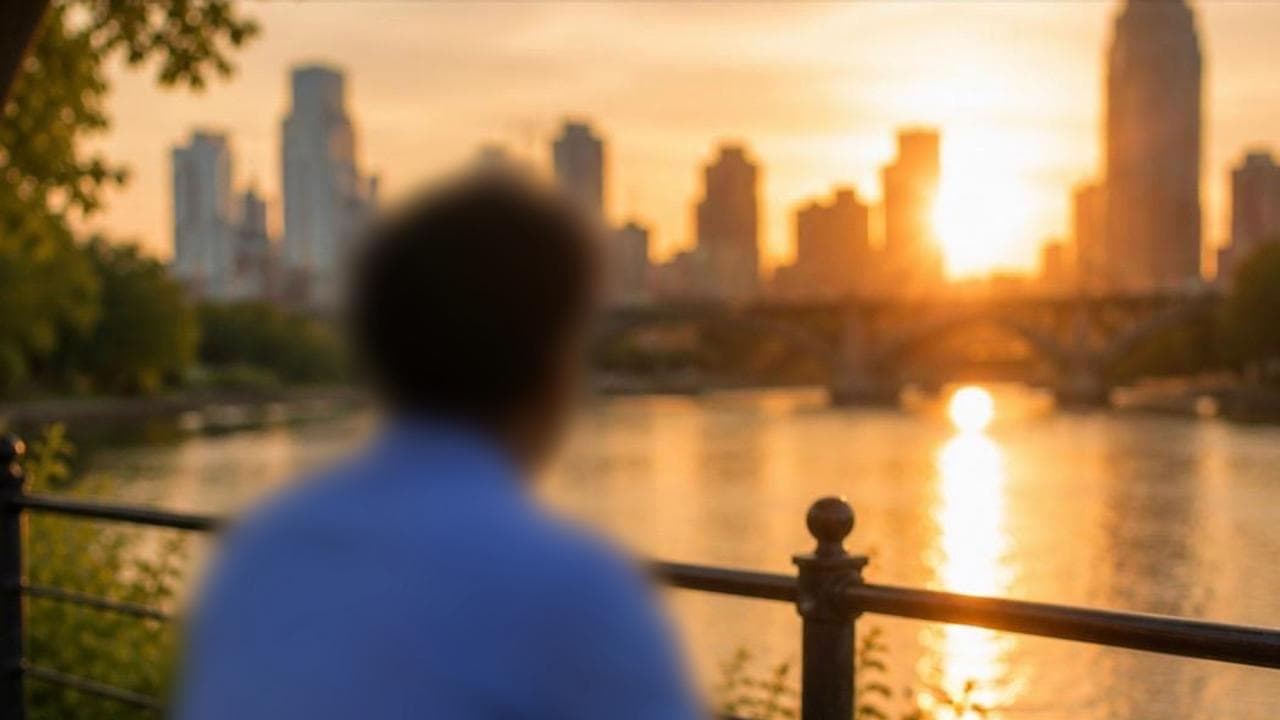
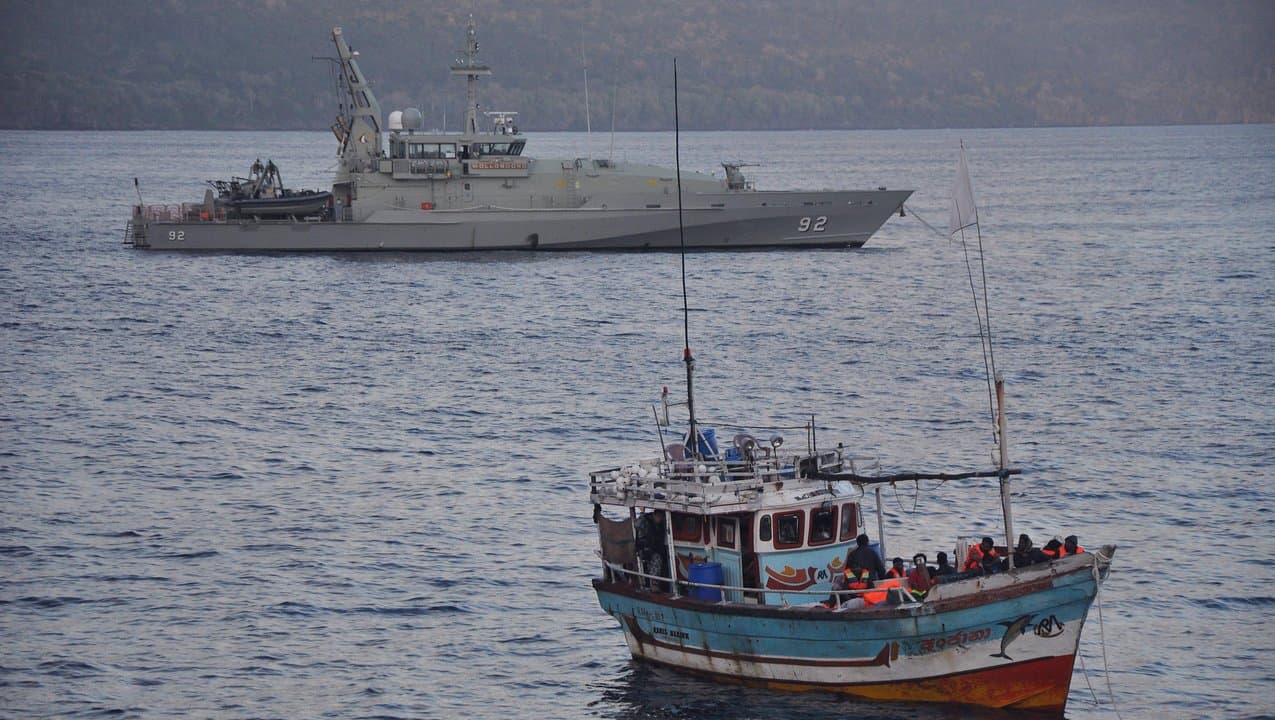
Banished by Australia, the country Hasan dreamed would grant him asylum, he spent eight long years lost on the streets of Asia.
Still young, still nationless, he now has another mission: to outrun the Trump administration's feared immigration purge.
His life-story is of a kind rarely told, of what happens to those Australia turns away.
That rejection has led, circuitously, to a failed claim for asylum in the United States and the 30-year-old's desperate bid to find a way to pay his university tuition and avoid deportation to the country he fled as a child.
"I will be arrested and killed if I go to Ethiopia," he tells AAP, asking that he is referred to only as Hasan to protect his identity.
"I have been really criticising the government on social media because of the ongoing human rights violations."
Many of the 4.35 million refugees returned to their homelands in 2025 were sent against their will into dangerous situations amid mounting pressures in asylum countries, according to United Nations research.
It's the second-highest number of reported returns since UN Refugee Agency records began in 1965 and about three times more than in 2024.
Hasan's tragic journey began at age 11 when he witnessed his mother's murder and his father dragged off to jail by soldiers, where he later died.
An Ethiopian citizen but ethnically Somali, he was beaten and his younger sister raped in the attack thought to be linked to the decades-old regional Ogaden insurgency.
The pair grew up in a sprawling Kenyan camp settlement of 300,000 people, where they were granted refugee status.
During a trip to Nairobi for medical treatment, aged 18, Hasan was deported to Somalia amid a crackdown following the 2013 Al-Qaeda-aligned Al-Shabaab terrorist siege at the city's Westgate Mall.
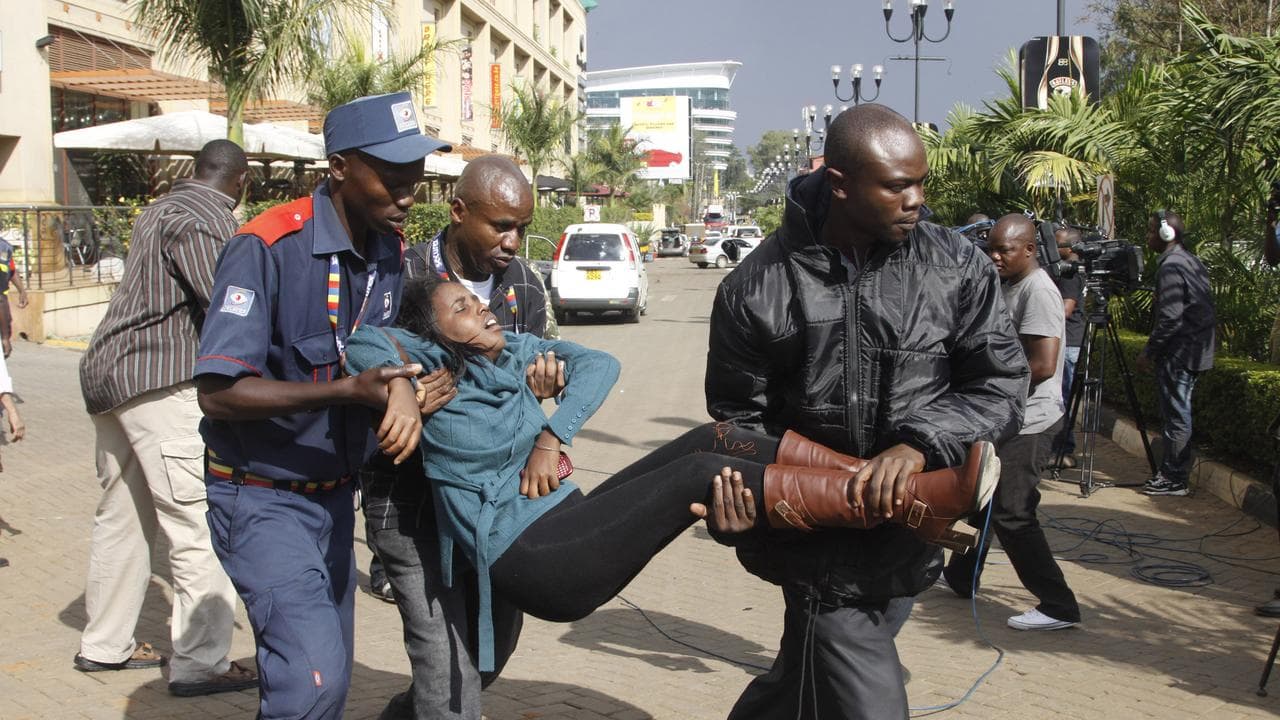
"There was a horrific attack and a huge operation, and I got caught by the police," he says.
"I was really tortured and detained for a couple of days and then they told me, 'You're being deported.'"
Alone and in a country at war he had never been to before, he was in danger.
"I thought I was finished. I'm Somali but I don't know about Somalia," he says.
Samaritans somehow funded a safety flight to Malaysia and boat journey to Indonesia, where the UN recognised his refugee status.
But with no legal right to work, life was extremely tough for the young man, as it was for thousands of other migrants.
He subsequently spent stints in immigration detention where, he claims, he was beaten and abused.
When not in custody, Hasan survived on handouts from other migrants while waiting and hoping for resettlement in Australia.
But this was never going to happen.
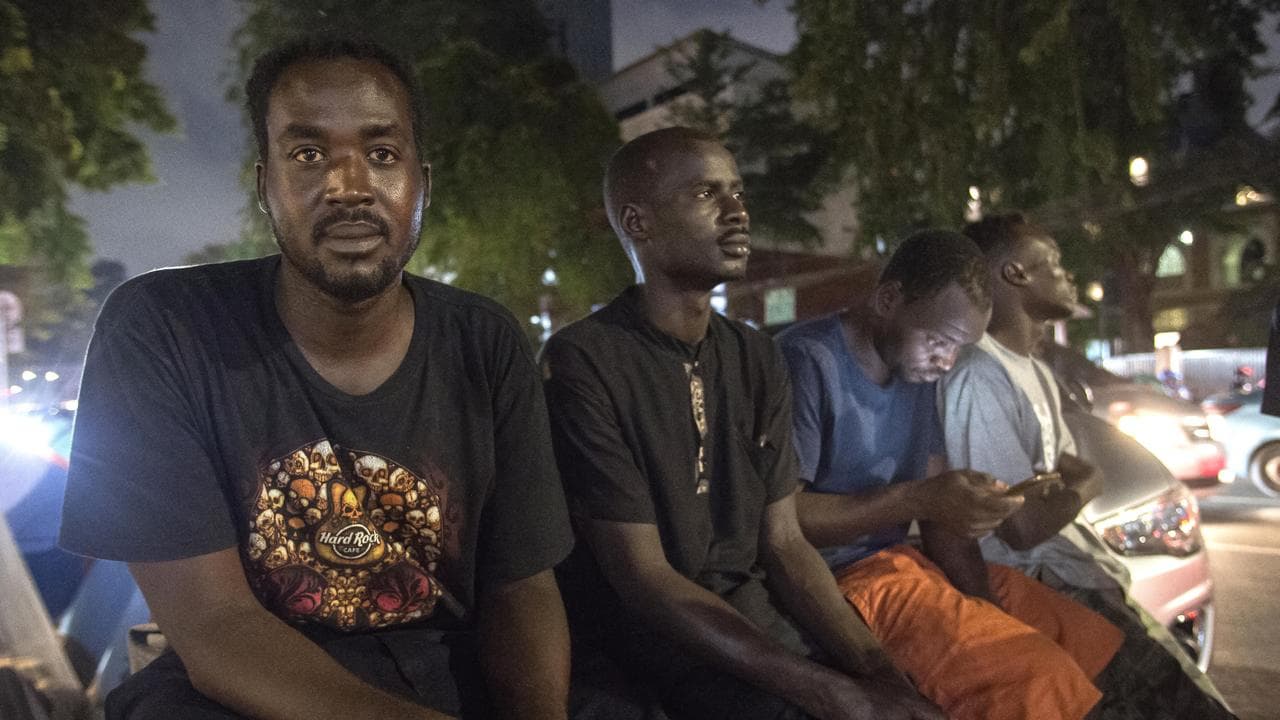
He registered with the UN Refugee Agency in Jakarta a month after Australia permanently blocked refugees in Indonesia from resettlement.
Homeless, in poor physical condition and desperate after learning his sister had died in Libya while trying to reach Europe, a chance application to a Minnesota university finally delivered a sponsored study visa in 2022.
"It was a dream come true but as soon as I got here, things changed," he says.
The scholarship didn't cover his living expenses and he could not legally work in the US under the visa, forcing him to survive on a small monthly stipend.
"My food was really very limited. I had no money and I really had a very difficult situation," he says.
Things took a turn for the worse when his sponsorship ended and he was un-enrolled, rendering him illegal and without income or support.
"It was a nightmare," Hasan recalls.
"When I was in Jakarta, I was homeless and food was really hard but the good thing was you could sleep outside in the warm.
"Here you can't, you just freeze.
"I'd been in a refugee camp for most of my life and I came here and ended up in the same situation."
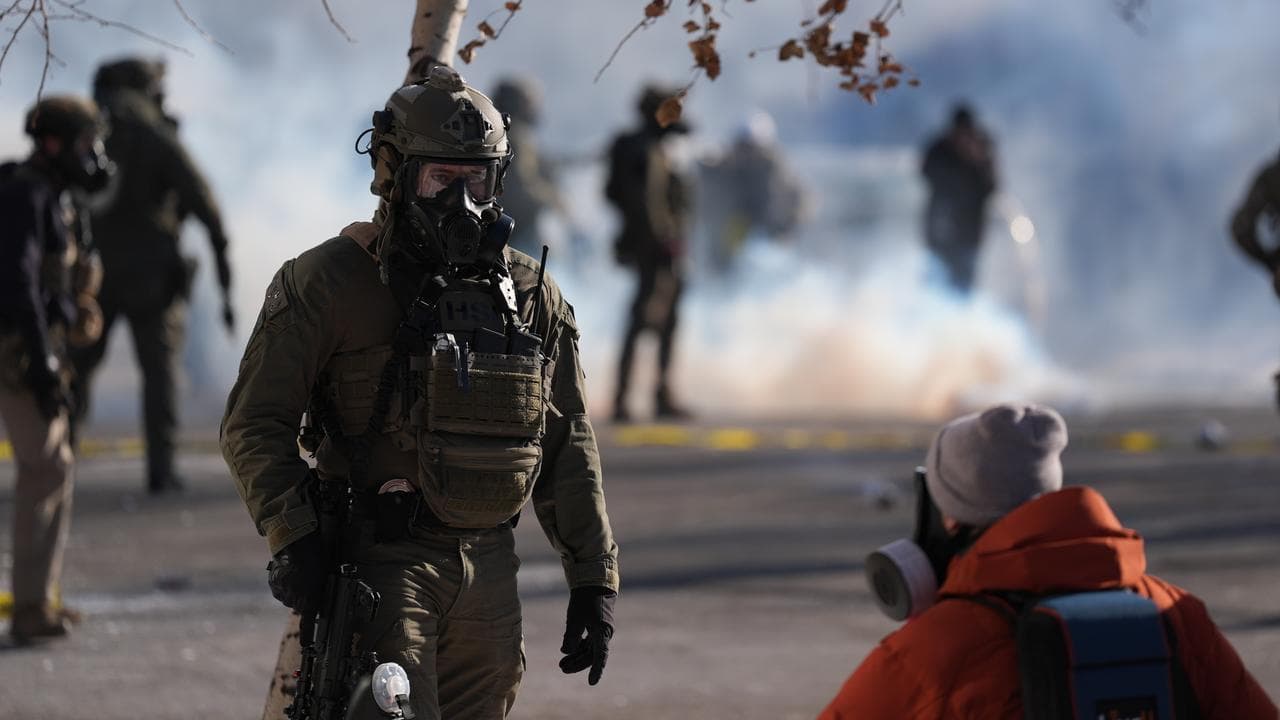
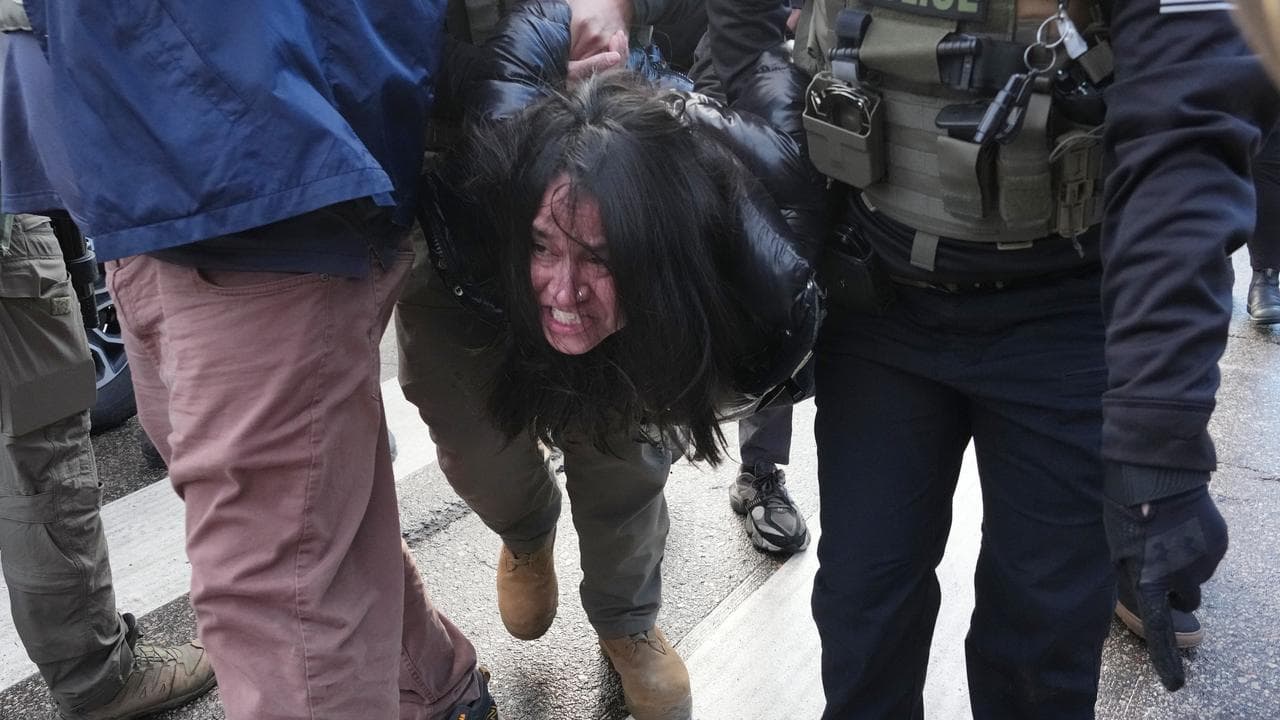
A US Immigration and Customs Enforcement, or ICE, surge into Minneapolis in December, which triggered two fatal shootings of protesters, has added to the complexity of his plight.
"You can be arrested anywhere: at home, on the street, on the bus, on the train," he says.
"It's a very intense and unpredictable life."
ICE officials are indeed targeting the area Hasan lives in over the next three days.
"It's very hard to get groceries outside and you have to stay indoors," he says.
"Every day I'm in fear. This is not the US I was dreaming of."
Hasan hoped his refugee status would be recognised in the US after his student visa ended but it wasn't.
Forced to apply for asylum, his application has been assessed and rejected following President Donald Trump's much-criticised policy overhaul.
The refusal, however unjust, means he's unlikely to be accepted by any other nation under the UN Refugee Agency's resettlement referral system.
"It seems like 100 per cent of interviews are getting rejected," he says.
"I'm just waiting for removal to a detention centre."
Having maintained a 3.57 grade-point average during his public policy degree, Hasan is praying for a generous benefactor so he can hit the books until a more empathetic government comes to power.
"If I can pay for my university fees, I will get my study visa back and stay," he says.
Across the world, governments are increasingly turning their backs on people fleeing persecution and conflict, exacerbating the global refugee crisis that started with the Syrian war in 2011.
Aid funding has been slashed and there are fewer and fewer resettlement places on offer for refugees trying to find safety.
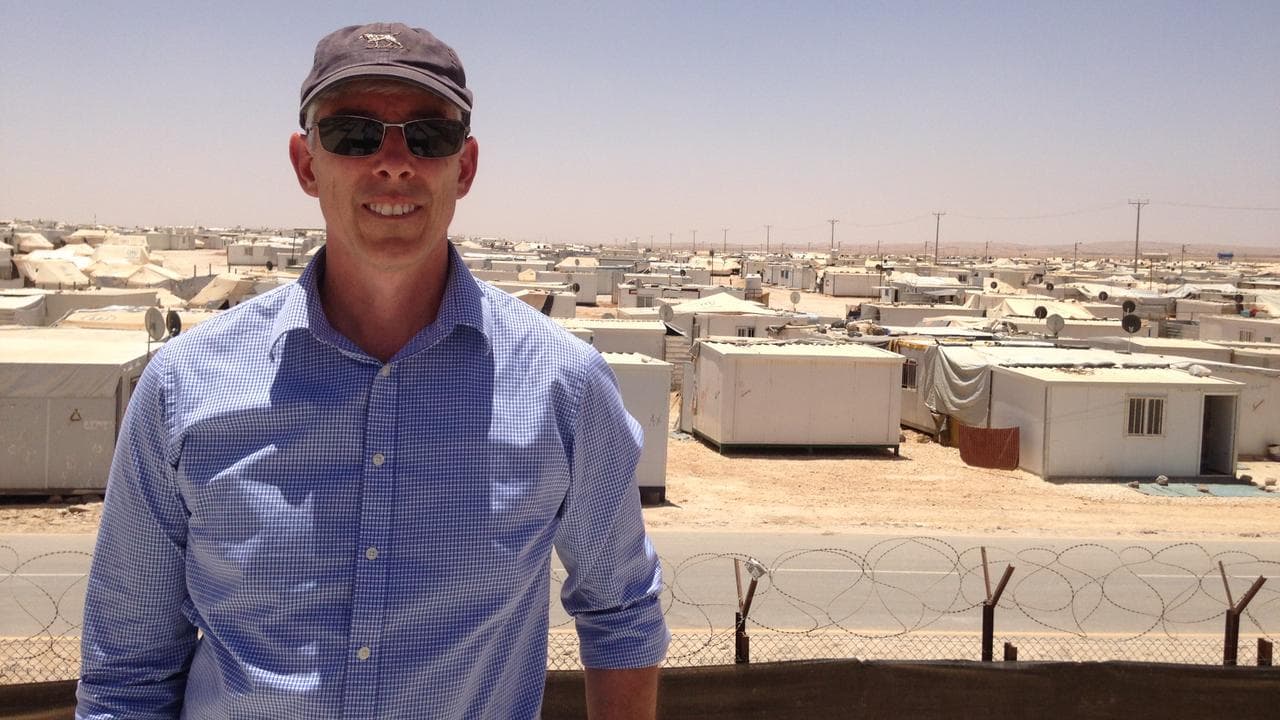
"At the same time, you have governments making it harder and harder to seek asylum: stopping boats, forcing people back at the border, sending people to third countries," refugee policy expert Graham Thom says.
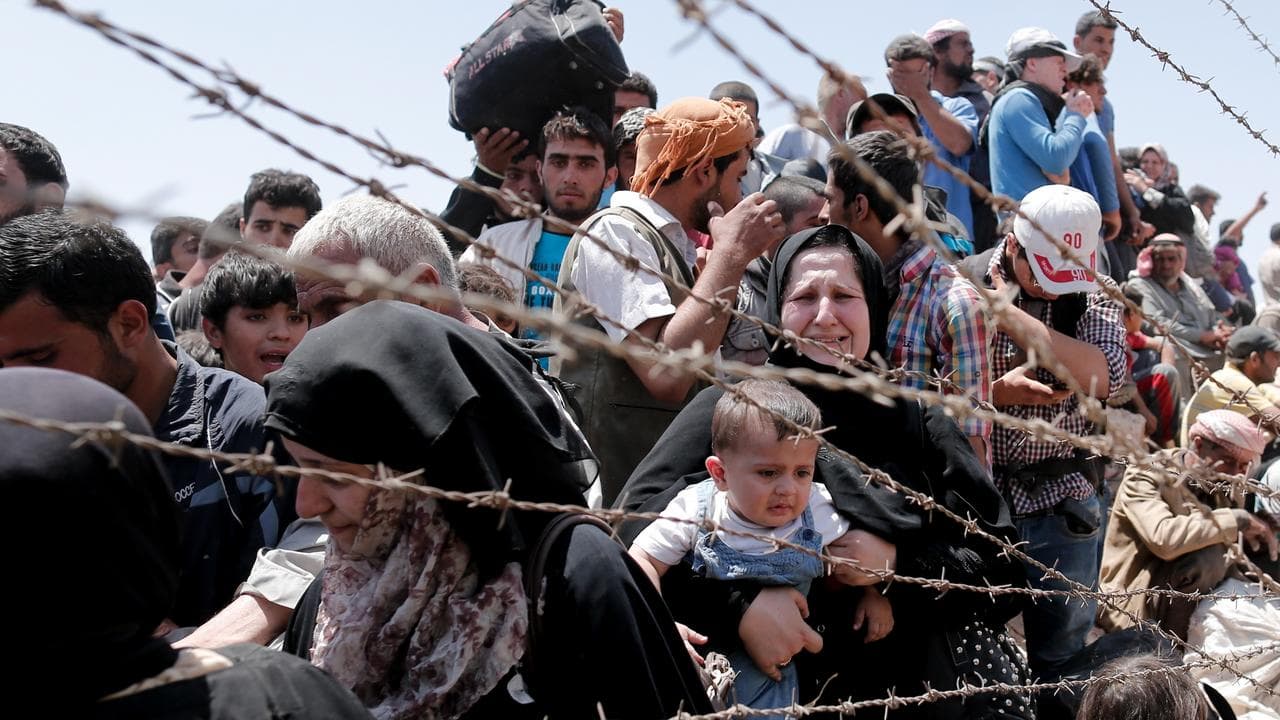
All told, there are an estimated 117.8 million forcibly displaced people globally.
More than 40 million are refugees and nine million are asylum seekers.
Just 81,800 were resettled or sponsored in 2025, less than half the 188,800 recorded in 2024.
"Sadly, it's not just the US that has wound back its commitment to resettlement and that is impacting refugees around the world," Dr Thom says.
"It means people who are vulnerable, whether it's in Africa or the Middle East or in Asia, no longer have a pathway to safety, and instead they're seeing barriers put up increasingly to stop them getting to safety."
Australia, now the second-largest resettlement country for refugees after Canada, is one of the few countries that hasn't cut resettlement places.
The federal government has committed to increasing its intake from 20,000 to 27,000 people annually.
However the number of resettlement places for UN-referred refugees has been reduced within the program.
Dr Thom fears the ongoing toxic and politicised immigration debate in Australia could impact the plan to expand it.
"When we're talking about saving lives, it's incredibly sad that any numbers we talk about suddenly become blown out of all proportion," says the Refugee Council of Australia advocacy co-ordinator.
"We do have to be very vigilant here in Australia to make sure we maintain our strong sense of humanitarian values."
Australia resettled 18,800 refugees in 2025, the US accepted 11,500 and Canada took 38,300.
The human rights situation in Ethiopia is dire and years of instability and drought have left millions facing a worsening crisis, according to the International Rescue Committee.
Government security forces, militias and non-state armed groups are committing serious abuses with impunity amid ongoing conflict and violence in several regions.
Journalists, civil society organisations, and outspoken public figures face increasing hostility and aid agencies are restricted in their operations.
Lifeline 13 11 14
beyondblue 1300 22 4636
1800 RESPECT (1800 737 732)
National Sexual Abuse and Redress Support Service 1800 211 028


