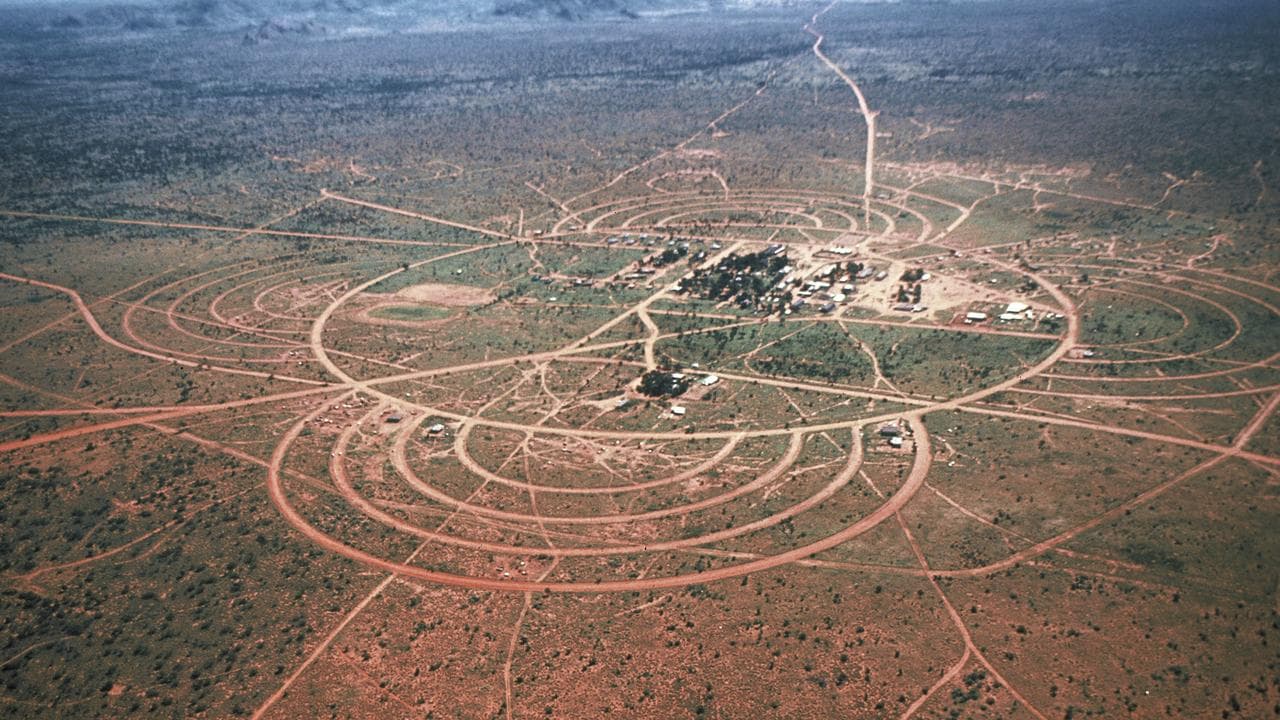
Back in 2010, Vivien Johnson and Samantha Disbray were working in the remote desert community of Papunya, way out west of Alice Springs.
It was there they found the key to an old darkroom in the community school that had remained locked for decades.
Professor Johnson - an independent scholar and former research associate at the University of Queensland's School of Languages and Cultures - was working at the Papunya Tjupi arts centre.
Disbray was a linguist at the school.
Papunya was famous as the birthplace of the Western Desert art movement and Prof Johnson, then working at the University of NSW, had been called over to check out the dot paintings at the school.
Inside the darkroom, though, was a different kind of treasure.
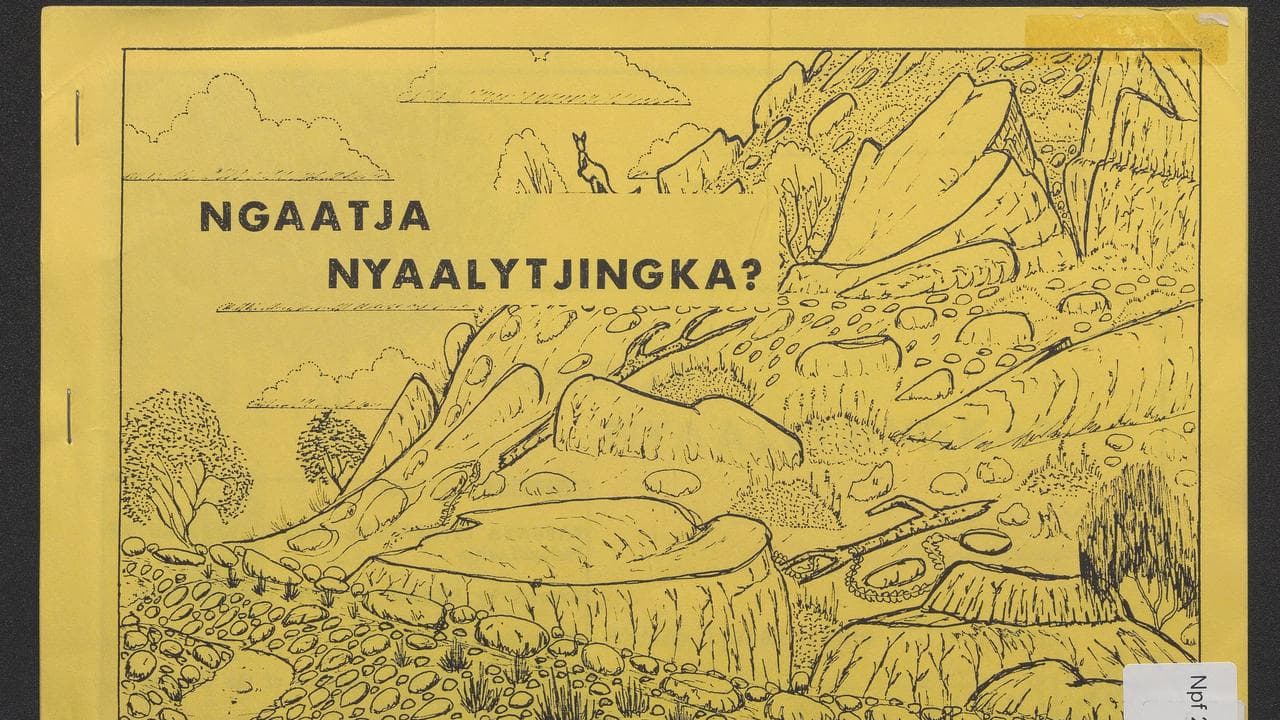
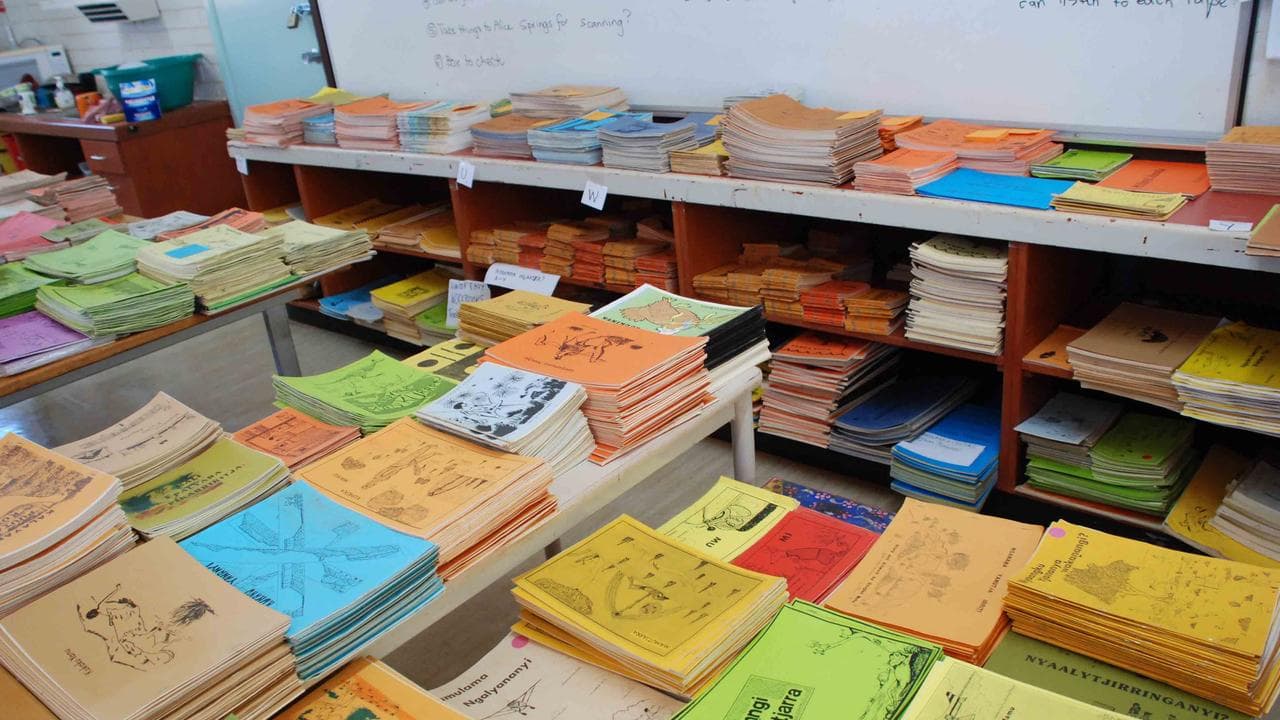
The room was heaving with cardboard boxes filled with hundreds of illustrated books produced by the Papunya Literature Production Centre, which operated from 1979 to 1990 - part of a rich legacy of bilingual education introduced by the Whitlam government.
Written in Pintupi-Luritja, the readers had been created on the principle children be taught in their own language before learning English.
The program was later abandoned, the readers put into storage - but the stories and their accompanying illustrations still glowed.
"When things have been shut away from the world for that long, they have a really strange, powerful energy to them," Prof Johnson tells AAP.
One of the books especially haunted her: a story by Western Desert artist Johnny Warangkula Tjupurrula about his first contact with white people.
Some were Dreaming stories, others told of community life, local plants and animals. Some were very funny. Others were sombre and moving.
These readers were illustrated by the next generation of Western Desert artists - teenagers.
"Rather than producing the kind of boring readers that you would find in mainstream schools, they produced stories of their culture that reflected back to them who they were," Prof Johnson says.
"People like Kulata Dennis Nelson Tjakamarra and Abraham Stockman Tjungarrayi - they got a job in the Papunya Literature Production Centre, working together with young women who became the writers, so it was a really inspiring setting."
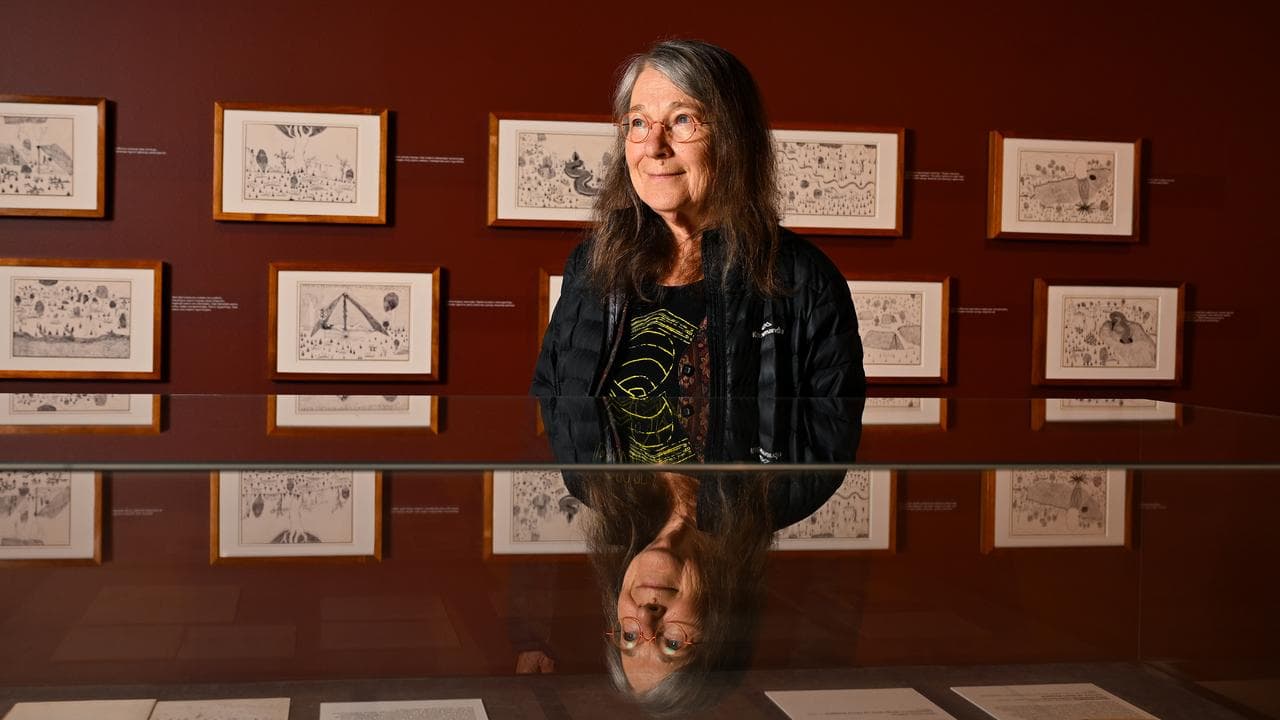
These readers are now the subject of a National Library of Australia exhibition called Wangka Wakanutja, also the title of an accompanying book by Prof Johnson, artist Charlotte Phillipus Napurrula and Disbray.
The Pintupi-Luritja title translates as "the story has been told".
The readers had been guided by community elders, including some of the legends of the Western Desert art movement.
Some of the students, like Roslyn Dixon - a co-curator of the exhibition - would become major artists themselves.
Ms Dixon is also now a teacher at the community school and still passes on some of the lessons she learned.
"There were bedtime stories, scary stories, some stories about the Rainbow Serpent ... We still keep on talking, we still want to keep on telling our stories to our kids," she says.
Rebecca Bateman, also a co-curator of the exhibition and Director of Indigenous Engagement at the NLA, says the library holds a near-complete collection of the readers.
The Weilwan-Gamilaroi woman says the Papunya community's biggest dream was to exhibit the work after it was rediscovered.
"At the time, I didn't really see a way we could do that but after we digitised the collection, we had a bit of momentum happening," she adds.
Papunya is also famous for being the birthplace of the Warumpi Band, the pioneering blackfella/whitefella group led by singer George Rrrurrambu Burarrwanga and guitarist Neil Murray, who used the readers while teaching on outstations around the community, before the band took off.
Murray says the readers came in handy for their first single Jailanguru Pakarnu (Out from Jail).
Written in Luritja, it was a landmark - the first rock song written in language, inducted into the National Film and Sound Archive's Sounds of Australia collection in 2007.
"I got proficient in writing it down, so I could just check with one of the speakers,'' Murray tells AAP.
"I had a riff for it and Sammy (Butcher, guitarist) came straight out with the words - I was writing them down as fast as he's saying them."
Ngayulu kuwarri jailguru pakarnu Ngayulu kuwarri jailguru pakarnu Warumpilakutu ngayulu ananyi Ngayulu kikiri ananyi kungka ngayuku patarni
(Today I just got out of jail Well today I just got out of jail I'm going to Papunya now I'm going in a hurry for my girl is waiting)
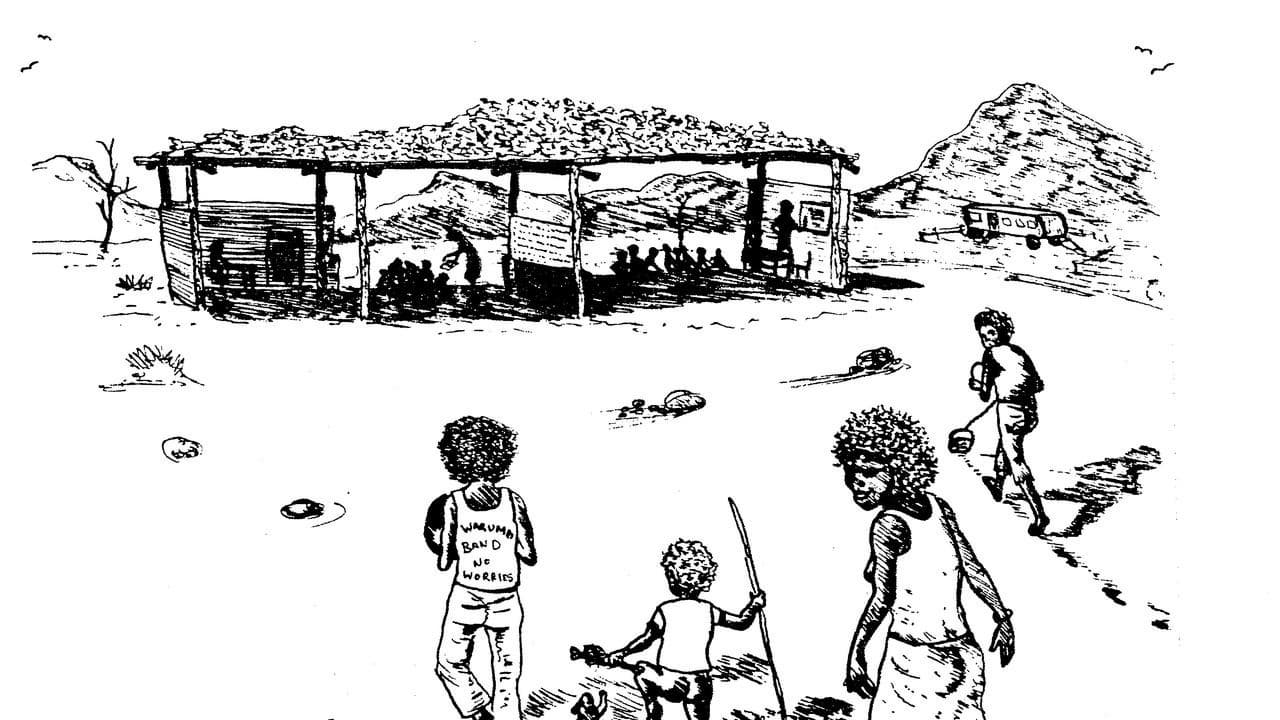
That song, followed by later anthems Blackfella/Whitefella and My Island Home, turned the band into hometown heroes and they soon began to appear in the readers themselves: one illustration, by Thomas Stevens Tjapangati, features a teenager in a Warumpi Band singlet.
That illustration featured on the inner sleeve of the band's 1987 album Go Bush! as well as on the cover of Wangka Wakanutja.
Prof Johnson, who was unaware of the fortuitous connection, is delighted when it is pointed out: "It was clearly the right choice for the cover, then!"
The Warumpi Band were not the only group to feature in the readers.
Rebecca Bateman says one reflected on the Blackfella/Whitefella tour between the Warumpis and Midnight Oil in 1986, which spawned the latter's global hit album Diesel and Dust the following year.
The reader was a satire, with a deadly punchline.
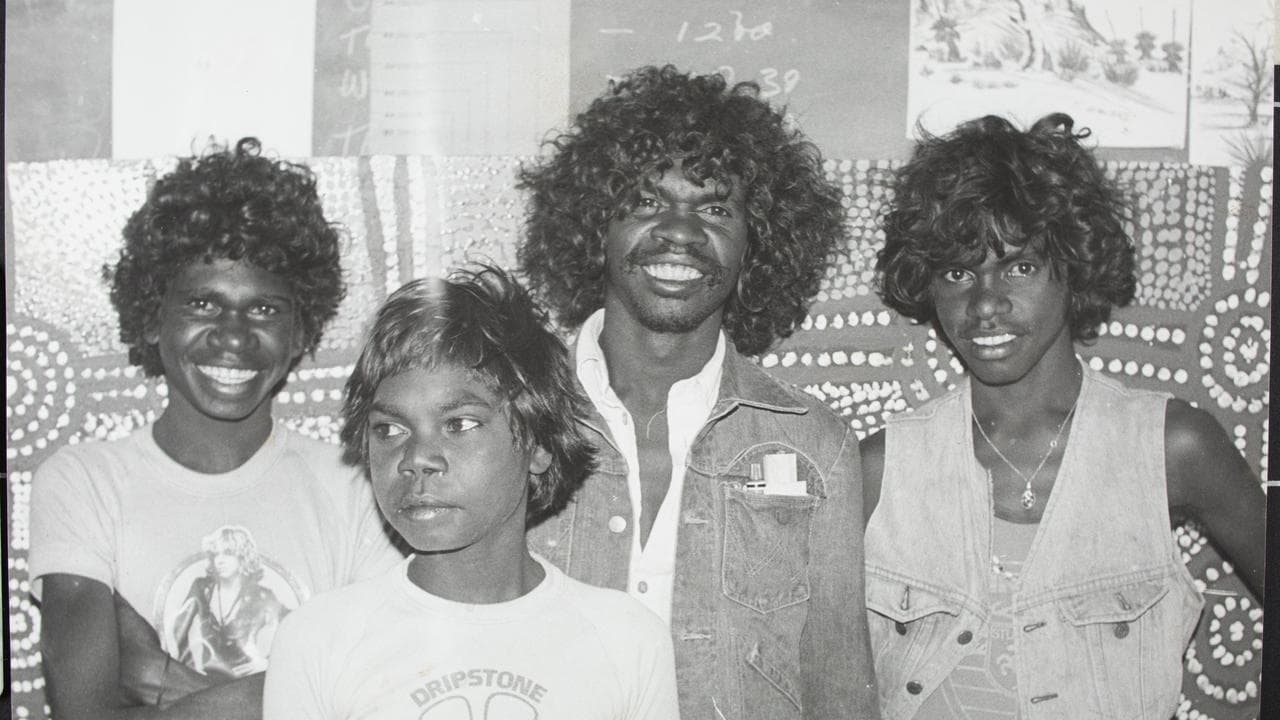
"The story goes that one of the men from the community heard these big rock stars were coming to town and he was using all this bush medicine to grow his hair long and luscious to be like them - and then out walks Peter Garrett," she laughs.
Prof Johnson says George Rrurrambu, originally from Elcho Island in the Top End, also taught in the school.
"He'd married into Papunya and the town hall where the Warumpi Band used to practice is, like, 10 metres from where the Literature Production Centre was based," she says.
"So it was a hive of activity and energy, a sort of crucible where all these different things were happening."


