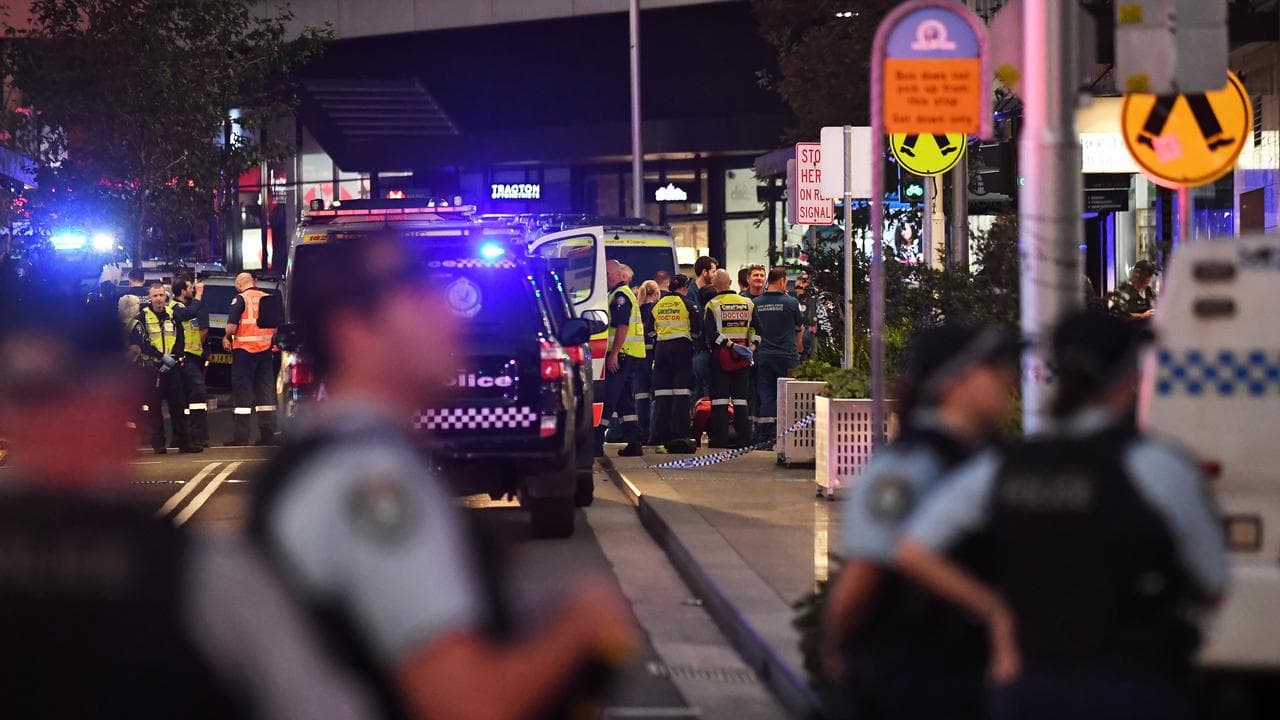
In the aftermath of Sydney's horrific 2024 shopping centre stabbing spree, Julie Singleton witnessed TV footage of covered bodies being removed including her daughter's.
Amid her grief, she had questions.
Police didn't allow her family to see Dawn Singleton after she was slain.
However, the media was permitted to film the bodies being taken out to the morgue, Mrs Singleton told an inquest into the mass killing.
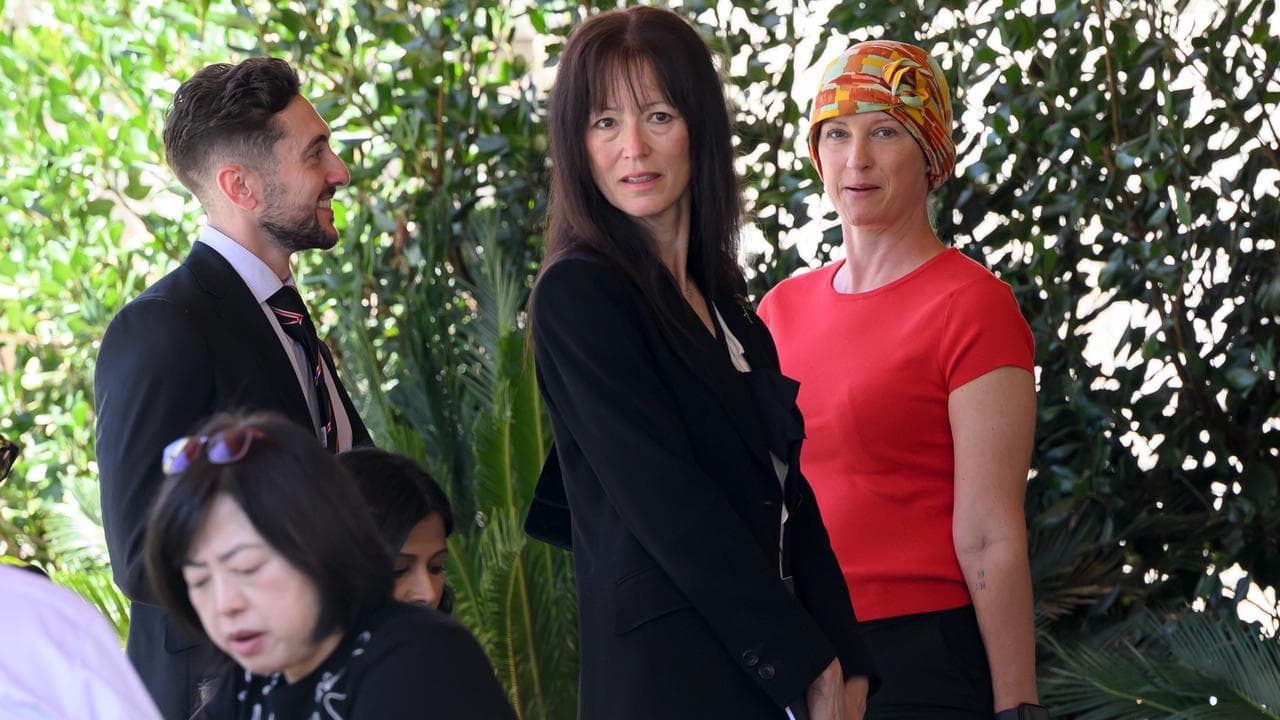
"It distressed me greatly that strangers were allowed to do this when (we) had not even seen her yet," she wrote in a statement filed with the inquest.
"I also did not understand how this added anything informative or useful to the public reporting of what had happened.
"It felt like Dawn and the other victims were being used as a device to make the story more shocking."
Jade Young, 47, Ms Singleton, 25, Ashlee Good, 38, Pikria Darchia, 55, Yixuan Cheng, 27 and security guard Faraz Tahir, 30, were killed in the attack at Bondi Junction Westfield on April 13.
Schizophrenic Joel Cauchi, 40, was experiencing a psychotic episode when shot dead by Inspector Amy Scott, the first police officer on scene.
An inquest into the tragedy was closed on Thursday with coroner Teresa O'Sullivan handing down her findings and 23 recommendations.
Two of these were aimed at media bodies and improved guidelines about how journalists report on mass casualty events.
The coroner heard evidence that news coverage of the killings re-traumatised and distressed the loved ones of those who died.
Ms Singleton's fiance and police detective senior constable Ashley Wildey described being triggered by the sound of the shopping centre alarm when it was used in news reports.
"Every time that alarm is resounded, again and again on media promotional videos, the pain is resurfaced," he wrote.
Ms Young's brother Peter described feeling "an immediate physical reaction" to seeing footage of a woman he thought was his sister on the floor of the shopping mall.
"I was nauseous and felt like vomiting," he wrote in a statement.
"I felt like I had been punched in the stomach."
After uncensored footage of Ms Young receiving CPR was aired, an apology was issued by the broadcaster.
In a media article annexed to her husband's inquest statement, Elizabeth Young described seeing her daughter's final moments aired to millions as an invasion of privacy and an insult to human dignity.
"We are scraping the bottom of the barrel of humanity when images of dead or dying or injured people are shared to air," she wrote.
"For what reason? I can only think it is to satisfy the increasingly morbid curiosity of society."
In her findings, Ms O'Sullivan spoke directly to the press.
"I continue to encourage the media to be sensitive to the impact of reporting on victim's families," she wrote.
During their coverage of the incident, journalists had sent sensitive footage directly to Ms Singleton's sister, and Dawn and Ms Good's images were taken off social media without consent.
Dawn Singleton's name was also announced live on air during a radio program before her family had formally identified her, Ms O'Sullivan wrote.
In addition, Mrs Singleton had given evidence of reporters texting and calling her to seek comments or interviews, leaving "so many voicemail messages (her) message bank was full".
She found this "intrusive" and "unsettling" and it continued for months.
During the "trauma-informed" five-week inquest, Ms O'Sullivan told attending journalists to be mindful not to cause additional distress to the families.
This was followed for the most part, the coroner said in her findings.
She urged the Australian Press Council and Australian Communications and Media Authority to update their guidelines and code of practice to include how to report on mass casualty events.
Amended guidelines would be beneficial because future mass killings would likely attract significant public interest, media coverage and grief.
An ACMA spokesperson told AAP the body would engage with the broadcasting industry sector on the coroner's recommendation.
"The recommendation aligns with our ongoing dialogue with the broadcasting sector that it regularly reviews its codes to keep them up to date with community expectations," he said.
The Press Council took the recommendations from the inquest seriously, a spokesperson said.
"The Council is currently in the process of considering an Advisory Guideline to apply to the reporting of mass casualty incidents," she told AAP.
The coroner declined to make an additional recommendation proposed by the families of Ms Young, Ms Singleton and Ms Good that news outlets ask permission before using images posted on social media.
Ms O'Sullivan said this would be unworkable given the limited power of both ACMA and the Press Council.
News publishers were not called to discuss the feasibility of such a proposal during the inquest.
Lifeline 13 11 14
beyondblue 1300 22 4636


