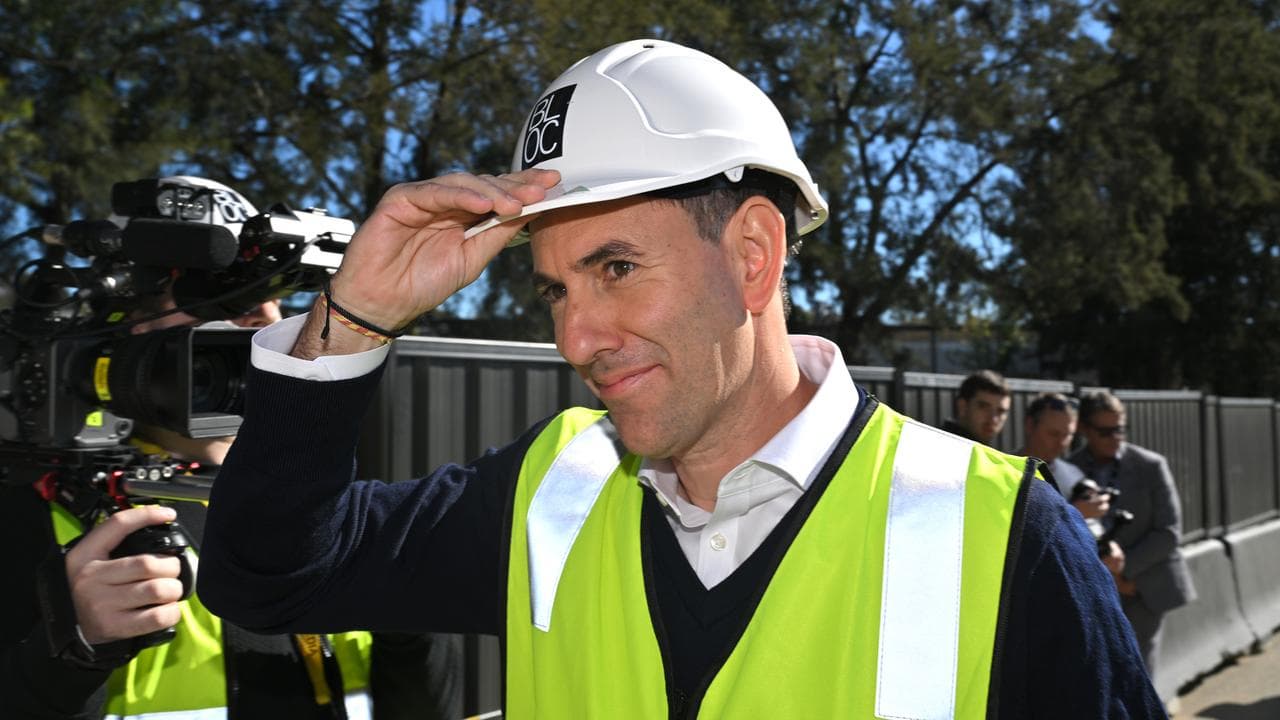
The upcoming federal budget will provide an antidote to the rise of right-wing populism by tackling Australia's "broken" housing market, Treasurer Jim Chalmers says.
As Labor frets over the surge in support for One Nation following its historic win in the Farrer by-election, Dr Chalmers has pitched the government's plans to scale back investor tax concessions as a way to address a backlash against the mainstream parties.
Before the 2025 election, Prime Minister Anthony Albanese promised not to change negative gearing or capital gains arrangements, but Labor is set to rein in the tax breaks in Tuesday's budget.
While he conceded the government's focus had previously been almost exclusively on supply, Dr Chalmers said more needed to be done.
"People aren't wrong to look at our housing market and think that something is broken," he told reporters on Sunday.
"There's not enough homes. Too many people are locked out of housing, particularly younger people.
"This is a concern raised with us, not just by younger Australians, but by grandparents and parents as well.
"These are legitimate concerns that people have that pushes people to consider alternatives to the mainstream parties."
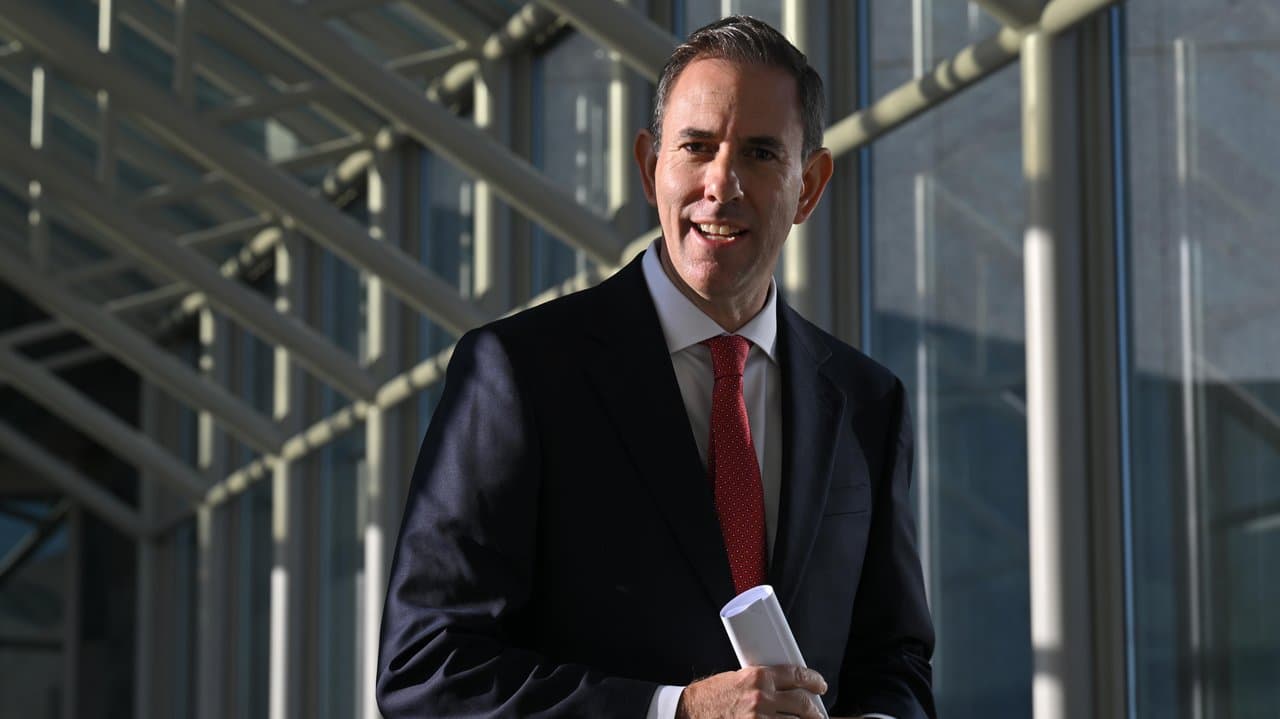
Nevertheless, the government was still primarily focused on increasing supply, Dr Chalmers said.
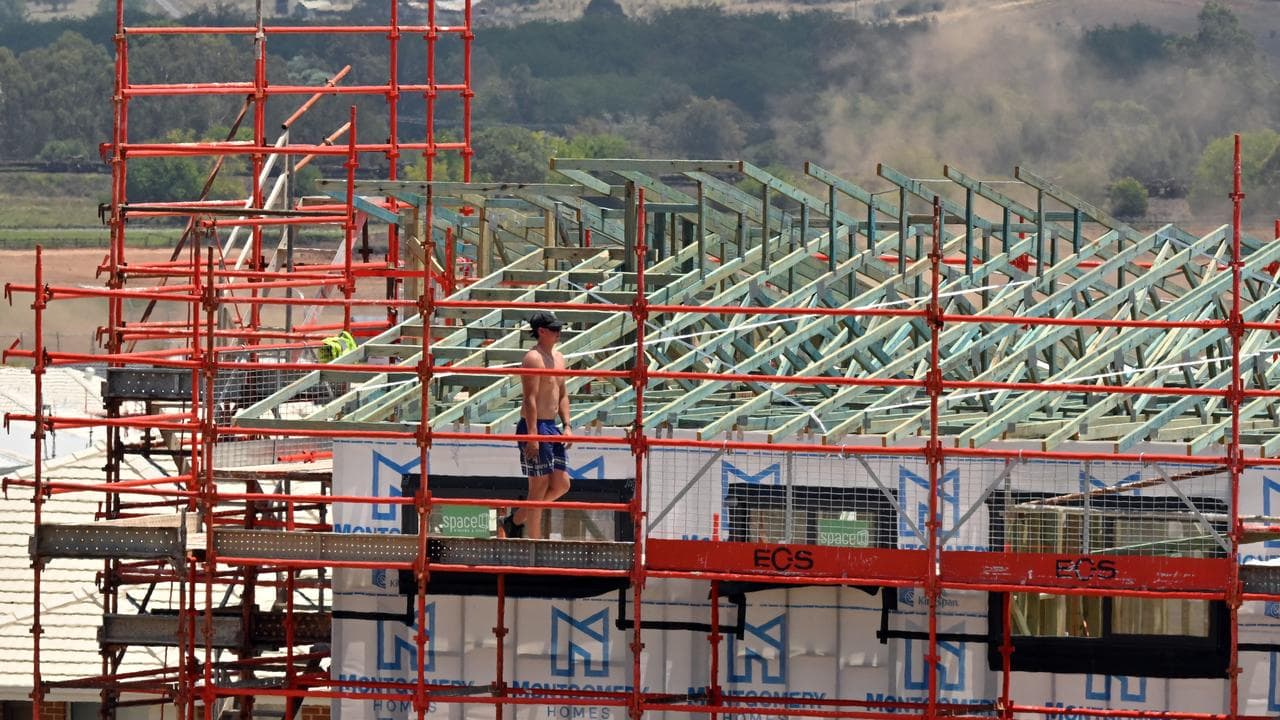
An extra $2 billion over four years will be allocated on Tuesday night to fund critical infrastructure such as roads, water, power and sewerage, without which houses cannot be built.
The government expects the spending will help facilitate the construction of up to 65,000 dwellings.
Local councils and state utility providers are set to receive funds to undertake the projects, with $500 million reserved for regional Australia.
It takes the total amount of funding the government has devoted to enabling infrastructure to $6.3 billion.
The treasurer confirmed the budget would not forecast any surpluses in the next four years, dashing hopes of a major improvement from December's mid-year update.
He also hosed down expectations that anticipated housing tax changes would yield significant extra revenue that could be handed back to young Australians via "big near-term cash splashes".
Analysts, including CBA chief economist Luke Yeaman, have also said the changes are unlikely to have a significant impact on driving down property prices.
But in relative terms, the changes would give a leg up to owner-occupiers who felt they were in a losing fight to break into the property market against cashed-up investors.

"We are concerned about the composition of the housing market," Dr Chalmers said.
Deputy opposition leader Jane Hume slammed the government for plotting a "cash grab" but declined to say whether the coalition would repeal the tax changes if elected.
"I want to see what exactly it is that Labor are proposing," she said.
Housing Minister Clare O'Neil said the infrastructure funding was part of the government's investment in the "boring but essential" work that increased housing supply.
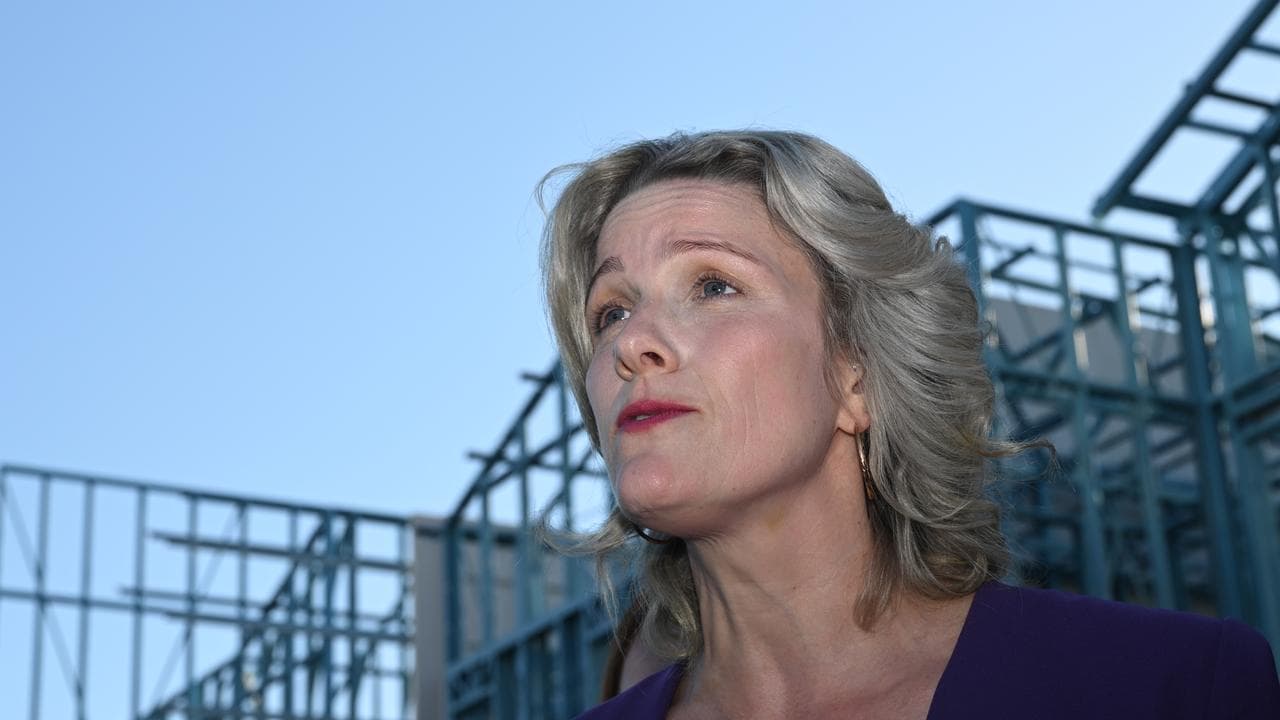
The budget also promises to build on state and territory efforts to liberalise planning and zoning laws by removing the red tape holding back modern construction methods, including modular housing.
Australia is predicted to fall more than 220,000 homes short of the government's target of 1.2 million new homes by mid-2029, according to the National Housing Supply and Affordability Council.
The target had sharpened the focus on approval blockages delaying new homes, but Sunday's announcement helped address the delivery gap, Property Council chief executive Mike Zorbas said.
"We also need strong commitment from states and territories, led by the federal government, to fix broken post-permit approval systems and bottlenecks holding up new communities waiting to be built across the country," he said.


