Veteran Australian Olympic administrator John Coates has ruled himself out of applying for the Brisbane 2032 chief executive position.
Cindy Hook, who is the incumbent CEO of Australia's first Olympic and Paralympic Games since Sydney 2000, recently announced she will step down in December.
Coates, 76, has been an influential figure in the Olympic movement for over 40 years, having been president and vice-president of the AOC and vice-president of the International Olympic Committee.
An IOC honorary member and AOC honorary life president, Coates is part of the 15-person Brisbane 2032 board and acknowledges the need to urgently find a replacement for Hook.
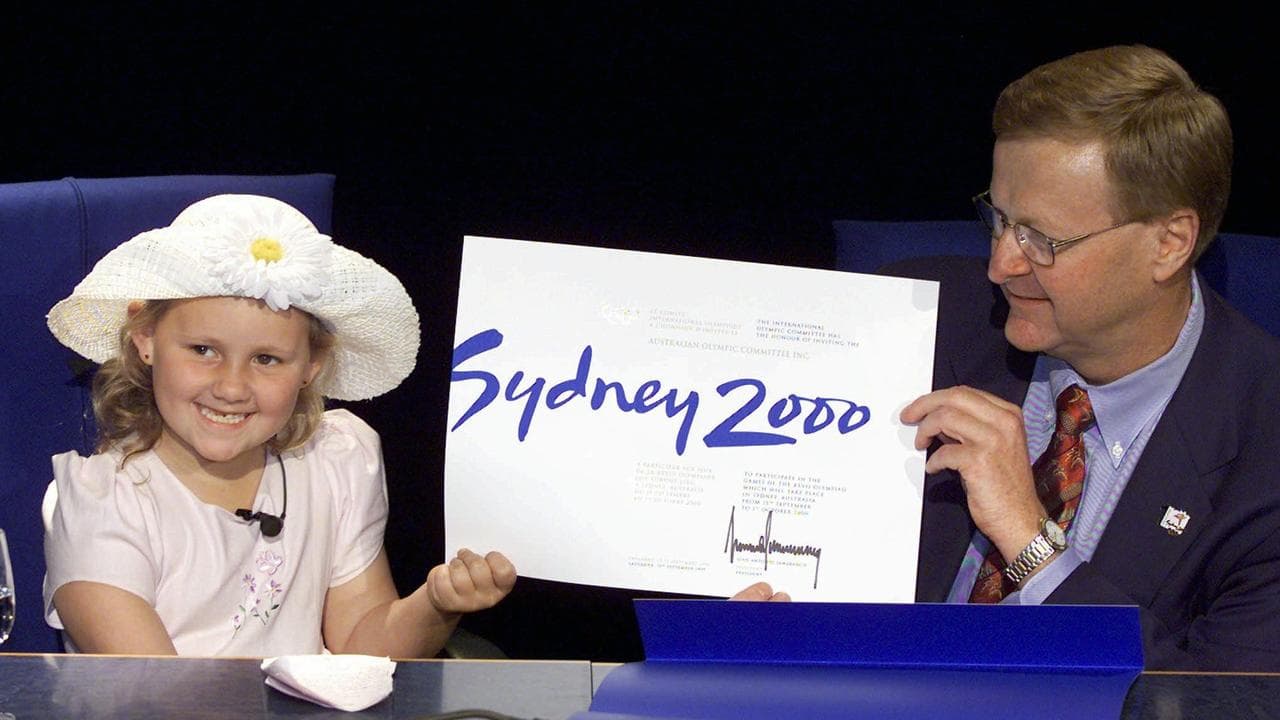
“Not at this age and I wasn’t interested in Sydney (2000 Games), because I was a senior vice-president,” Coates told AAP in ruling himself out of the Brisbane job.
“It’s project planning, I’m a lawyer.
“My background is not running 65 events over a period of two weeks.”
Sydney-born Coates last year moved up to Burleigh Heads in Queensland as he “wanted to be closer to the Games and delivering them”, and has been battling health issues.
“I’ve had a lot of mechanical issues, in recent times I had some cancer issues and we seem to have that under control,” Coates said.
Rowing is a sport close to Coates’s heart and there has been plenty of debate about the suitability of Rockhampton to stage events in 2032, in terms of upgrades that need to be paid for and the currents of the Fitzroy River.
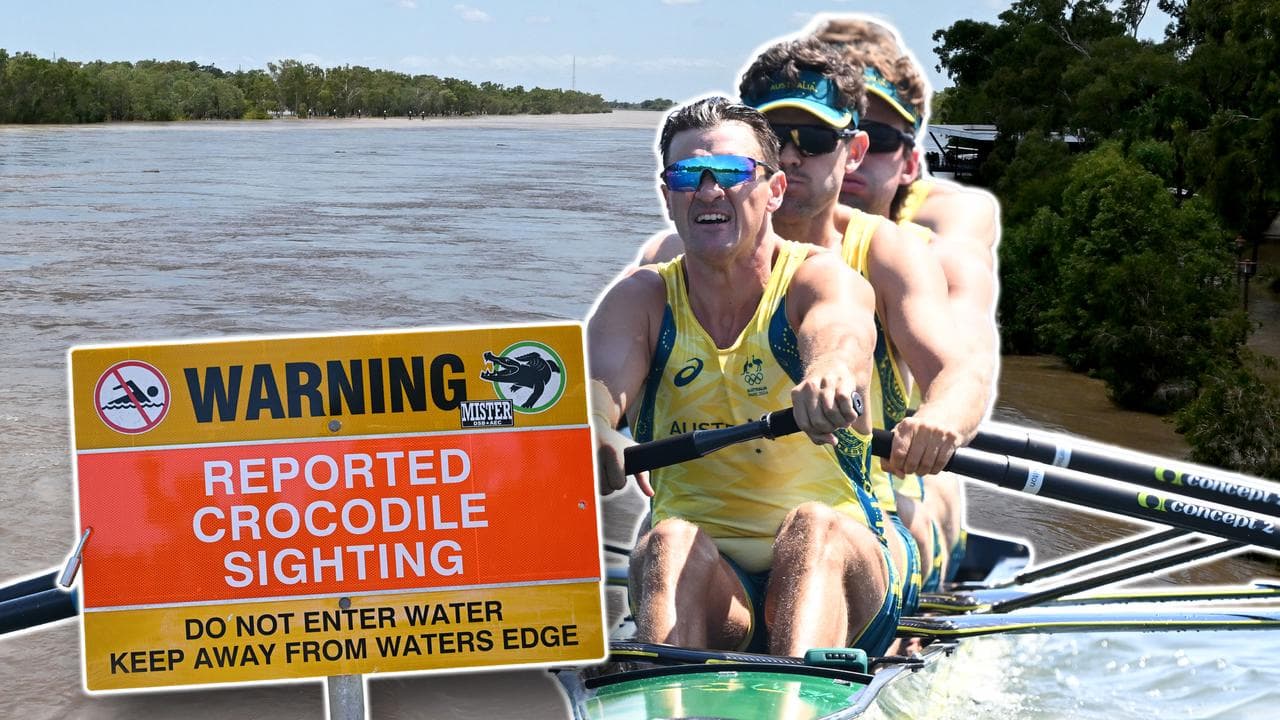
“There’s been an assessment by some people on the flow of the river that if all is fine you could race there in fair conditions, unless there’s a flood,” Coates said.
“They come back to the chance of there being a flood which would affect things, they say it's down to about 15 per cent. They’ve had a few in recent years.
“But we have to accept what they are saying, we’ll wait and see what the cost is going to be but the state government is going to bear that, not the organising committee.”
In terms of preparation for the Brisbane Games and how they are tracking, Coates said one difficulty was the IOC won't decide the full roster of sports until April, 2027.
“They had an IOC meeting in Dakar in Senegal yesterday so we now know when all that is going to happen (the IOC session in April, 2027),” Coates said.
"But until they say what the sports are we don’t know where the sports are going to be. That’s the problem."
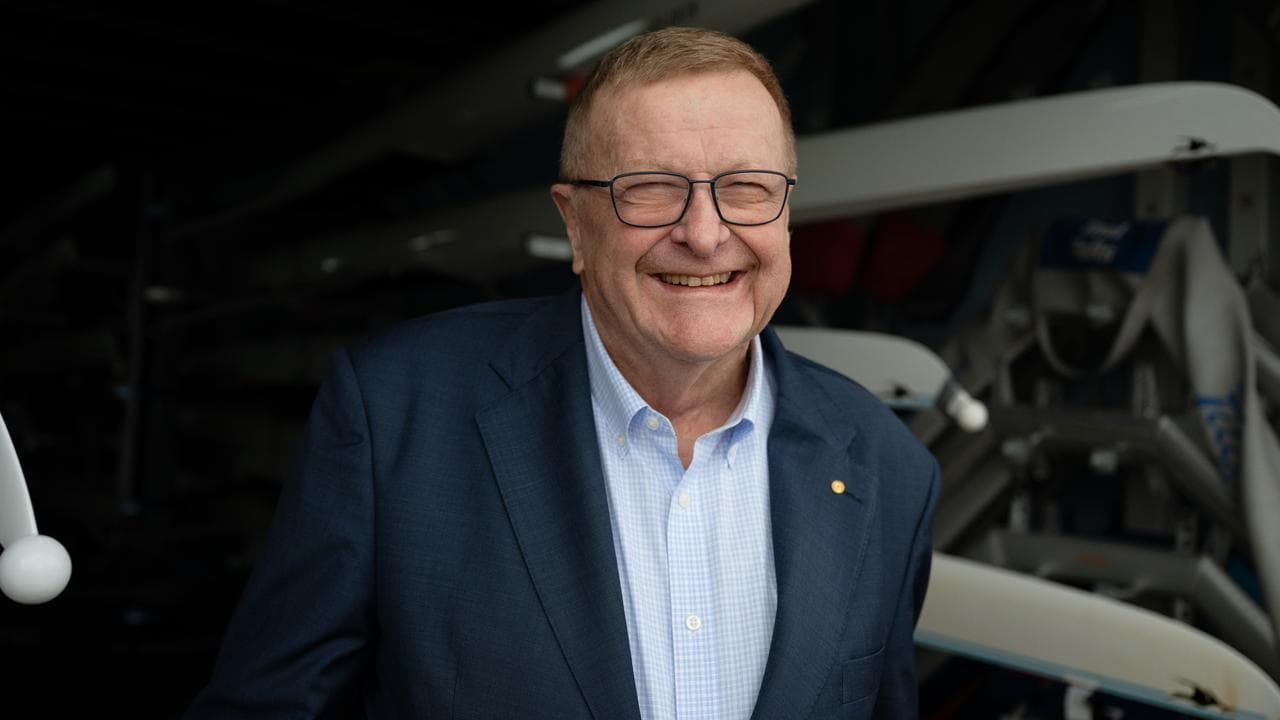
This year marked the 50th anniversary of Coates’s association with the Olympics, having been appointed manager of Australia's rowing team for the 1976 Montreal Games.
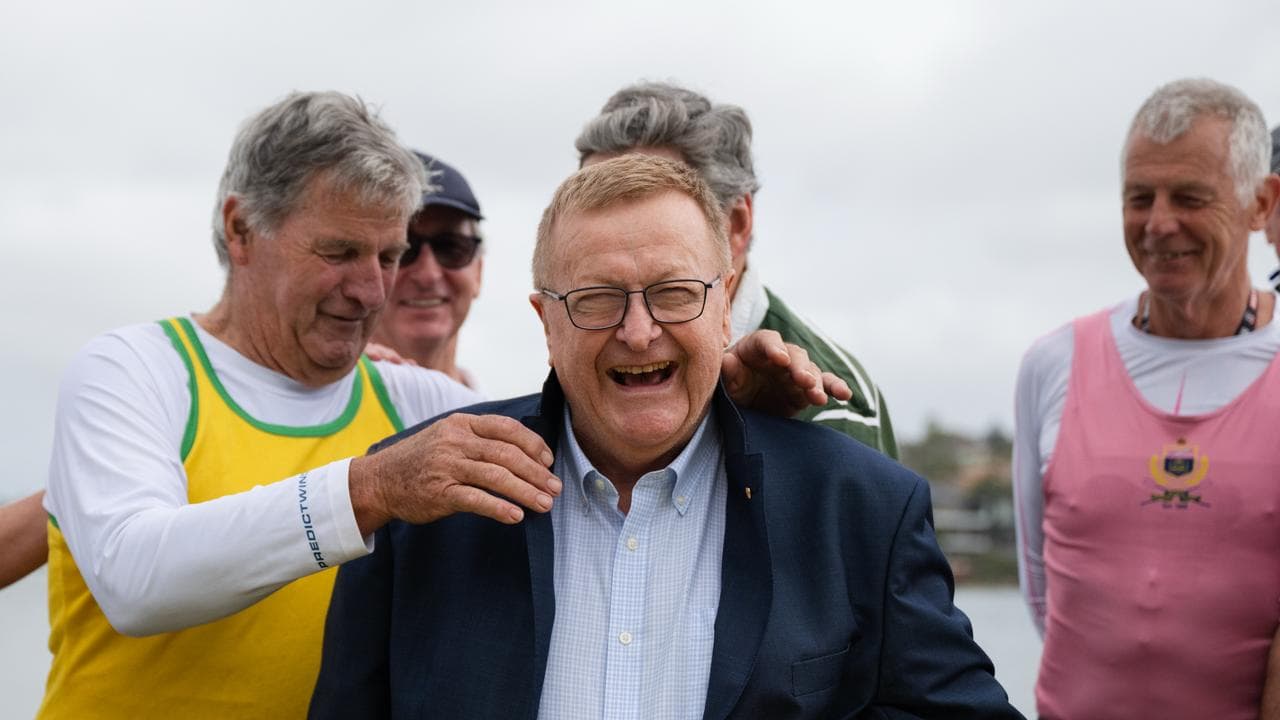
On Sunday, Coates was back at the Sydney Rowing Club where he first rowed as a 15-year-old to celebrate a reunion marking 50 years since several of the club’s members participated in the Montreal Olympics.
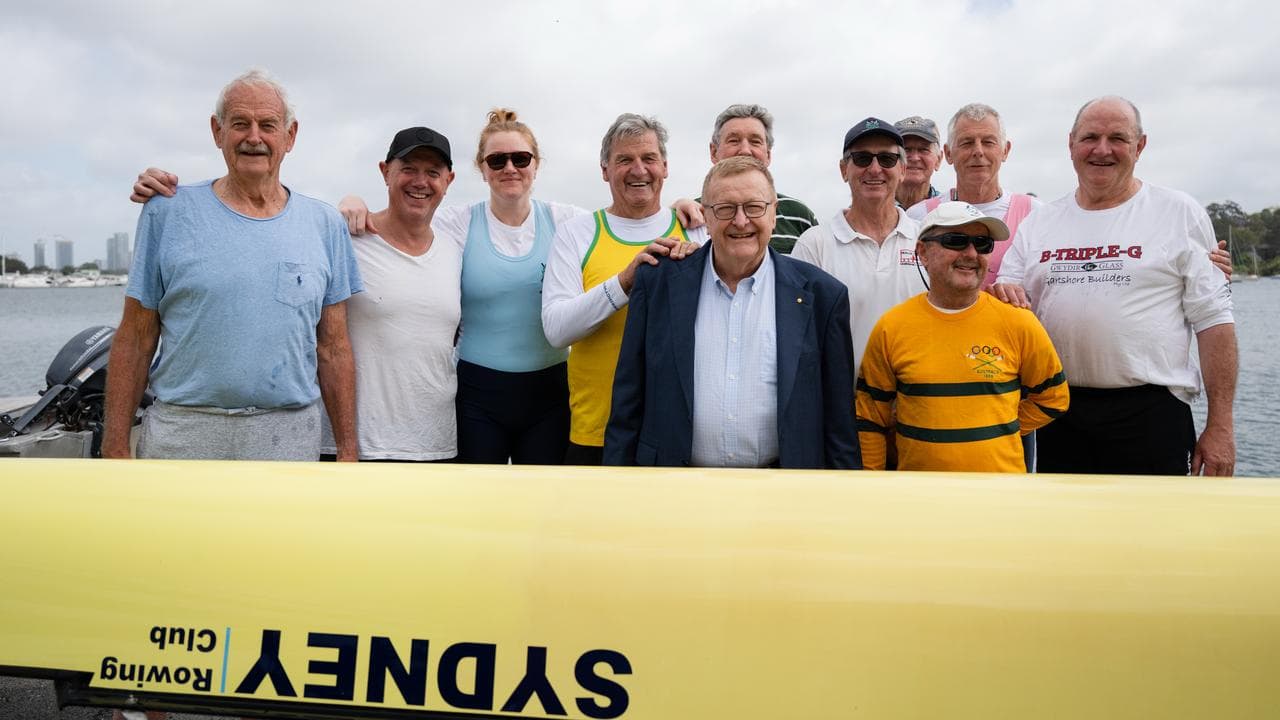
“If I hadn’t been at this rowing club, I wouldn’t have been at the Olympics, it was the premier club in that era and they took me under their wing,” Coates said.
He emphasised a lot of things had improved since the Montreal Games, the last Summer Olympics from which Australia returned without a gold medal.
“It was clear that we were behind the world in coaching. From 1980 to 2000 we worked closely with the Australian Institute of Sport,” Coates said.
“We imported 200 coaches principally in sports where we weren’t up to scratch.”


