
It seems artificial intelligence is biding its time to wreak havoc on the labour market.
More than four in five businesses have told the Australian Bureau of Statistics AI has had no impact on job vacancies so far.
The technology had reduced openings for about four per cent of employers, and about one in 200 businesses reported the opposite.
Many more were unsure what effect AI was having, the bureau found, in its first survey of how the technology was reshaping labour demand, released on Wednesday.
Media and telecommunications were the big losers, with 16 per cent of businesses reporting AI reduced vacancies.
Wholesalers also suffered, with 8.1 per cent reporting smaller job openings, followed closely by manufacturing and retail.
About 10 per cent of electricity, gas, water and waste services employers told the bureau AI had fuelled more vacancies - the most of any sector.
But businesses think the metric has longer to fall, including almost half of media and telecommunications employers surveyed.
The government considers job vacancies an early warning for potential wrecking balls AI might sling through the jobs market.
Jobs that rely on language, analysis, communication or judgement are expected to be impacted the most by the technology, but it has also been tipped to increase junior white-collar roles in some sectors.
While almost every company incorporates AI in some form, 84 per cent of businesses have not yet redesigned their work around it, according to a Deloitte report.
"There’s scant evidence that AI has had any large-scale impact on job markets," Sydney University's Skills Horizon report found in September.
"Even when it comes to entry-level jobs, some of the heaviest AI adopters are hiring more, not less," it said.
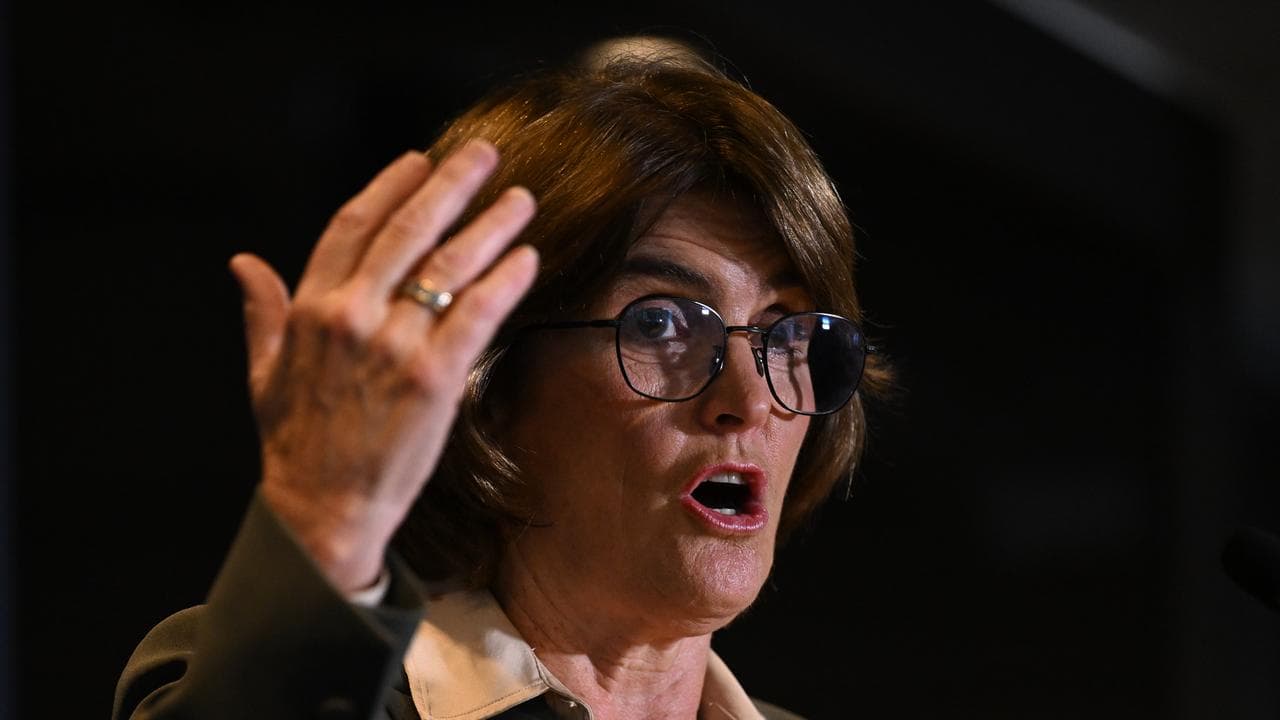
While Labor bets the house on bots to lift stagnant productivity and fight inflation, Reserve Bank governor Michele Bullock says economy boffins are still not sure of how or when that will happen.
"If productivity improves dramatically because of AI ... it'll allow us to grow faster," she said on Tuesday.
"But when it will happen, your guess is probably as good as mine."
There were 325,000 open positions in Australia in the three months to August, down almost a third from a post-pandemic peak in 2022.
While unsure of whether AI was solely to blame for the fall-off, the employment department in February noted unemployment in industries more exposed to the technology had risen sharply relative to the less-exposed sectors.
Since ChatGPT emerged in 2022, that phenomenon had reached a level not seen in the past 20 years, the report found, but there was evidence of the trend beginning before then.


