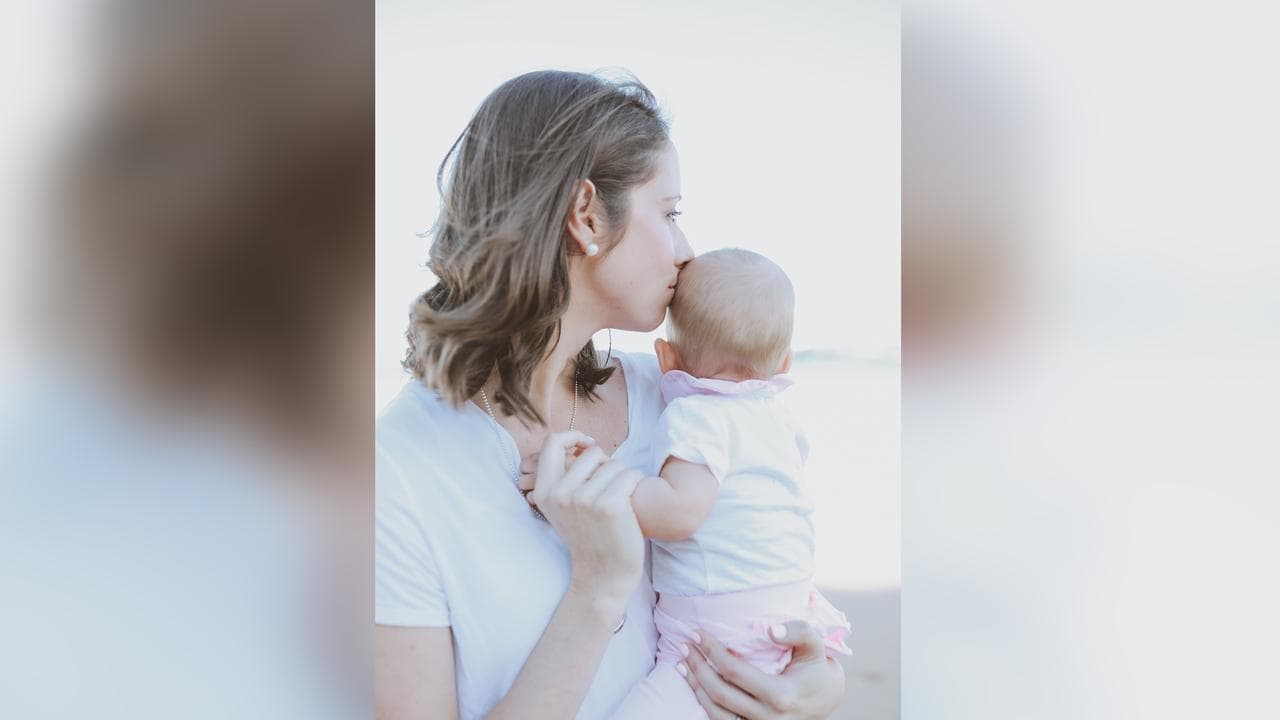
New mums are most at risk of major depression in the first two weeks after giving birth, with calls mounting for greater screening, prevention and treatment to ensure they feel supported.
Midwife and neonatal intensive care nurse Megan Ryan said it was common to see parents navigate mental health challenges following the birth of their baby.
But it wasn't until her own experience of postpartum anxiety and depression that she realised how easily new mums could fall through the cracks.
"As a midwife I understood the baby blues to be part of that first two weeks, so I thought I would ride it out, but for me it just extended past that 'normal' period," she told AAP.

"It wasn't until a six-week check with an early childhood nurse that I was asked how I was doing and I disclosed that I wasn't coping well.
"There’s so much discussion around caring for a new baby, but that was the first conversation where someone took the opportunity to check in on me."
In the largest mental health study of its kind, University of Queensland researchers analysed data from more than 700 studies, collected from more than two million women and girls globally.
They found major depression fluctuates during and after pregnancy, but has its highest prevalence two weeks after a woman gives birth.
While major depression impacts about 4.3 per cent of women globally, prevalence rises to 6.2 per cent during pregnancy and 6.8 per cent in the 12 months after childbirth.
The study, published in The Lancet Psychiatry, revealed the prevalence of depression increased to 8.3 per cent at the end of the first two weeks after childbirth, highlighting the need for early screening and intervention.
One-in-four Australian parents have experienced symptoms of depression but not sought professional help, according to research by the Gidget Foundation.
One of the leading causes of death for women in the perinatal period is suicide, Gidget Foundation clinical educator and psychologist Rachelle Jones said.
"It's really important to have screening conversations early, particularly when maternity care is coming to an end at one of the higher-risk times for identifying a major depressive episode," she said.
In Australia, typical maternity care ceases about two weeks after birth and women don't tend to again engage with a healthcare professional until their six-week check up with a GP.
"That six-week window can feel really long ... people can feel like they aren't cut out for parenting when that totally isn't the case," Dr Jones said.
"Shame is a really big emotion that as healthcare professionals we need to be aware of (because) it sends the truth into hiding and it can get in the way of someone seeking help."
Lifeline 13 11 14
beyondblue 1300 22 4636


