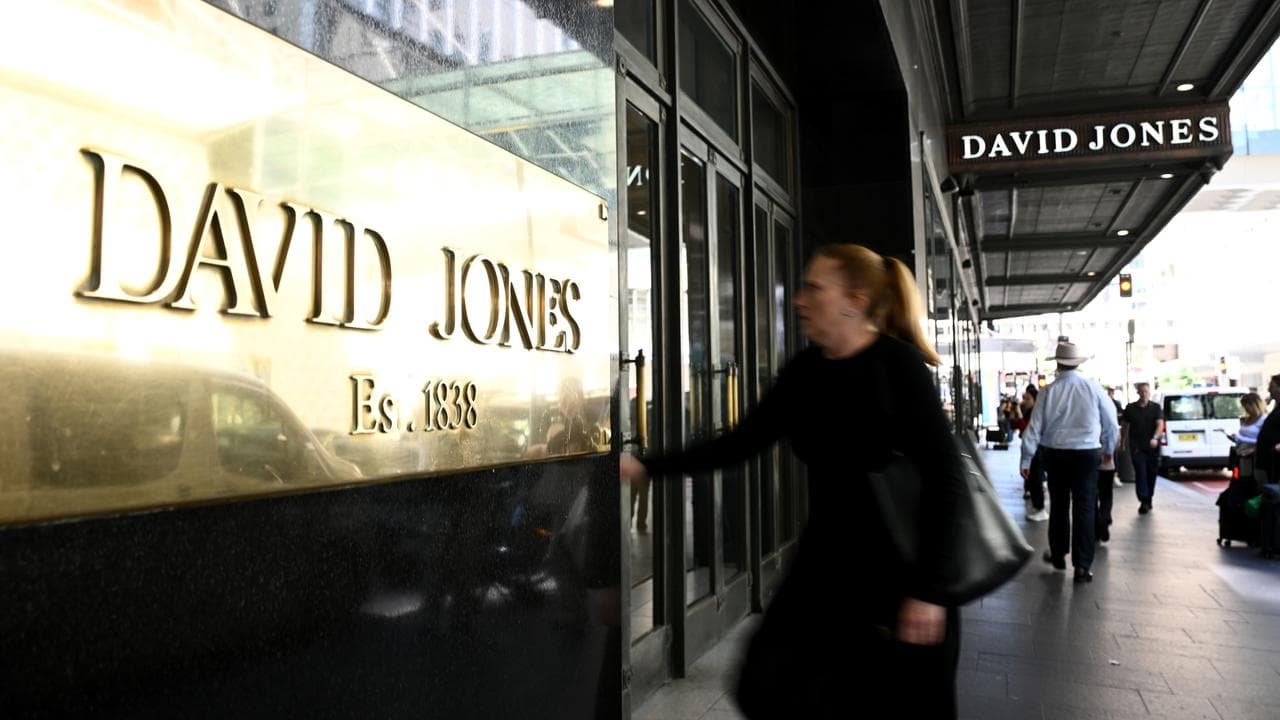
The collapse of David Jones is being viewed as a clear signal department stores must either adapt to better suit consumers or fade into irrelevance.
The once ubiquitous retail giant slipped into voluntary administration on Thursday, unable even to pay rent on many of its stores to its biggest landlord, Westfield owner Scentre Group.
Administrators from McGrathNicol are hoping to facilitate either a recapitalisation of the business or a sale to a potential buyer to save it from disappearing entirely.
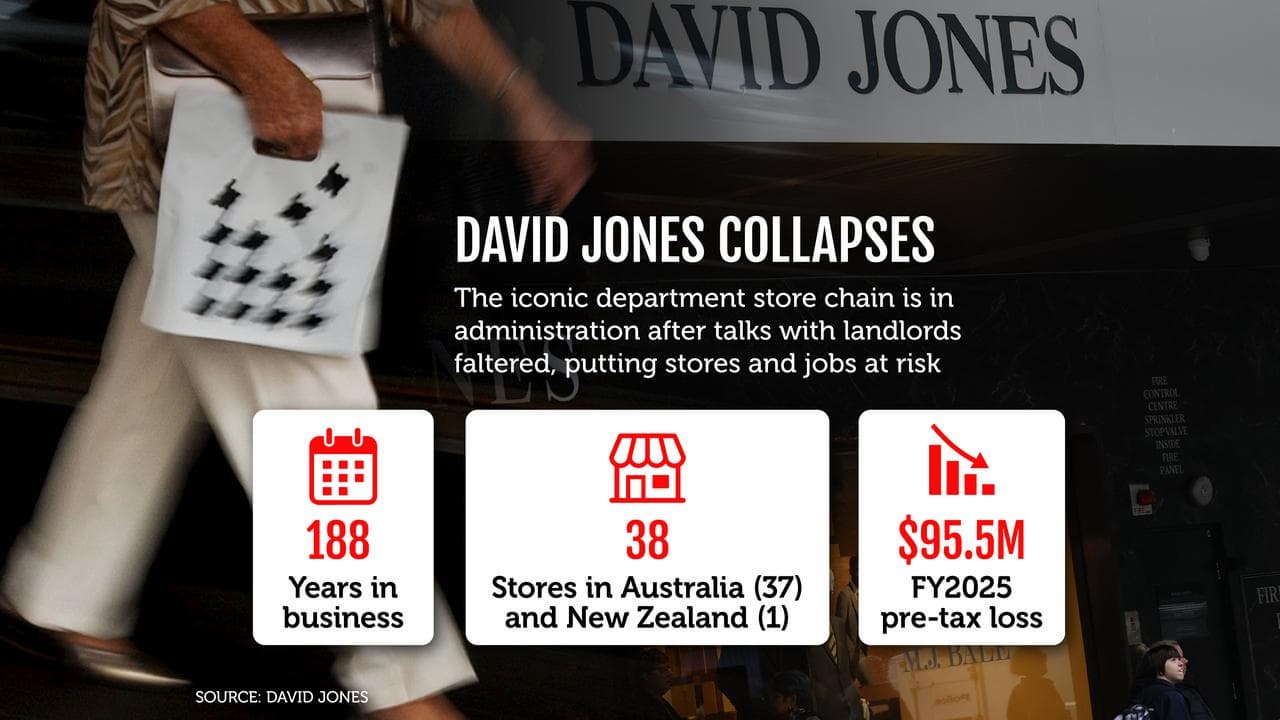
Coming as little surprise to many observers, the collapse confirmed what had already been clear for decades about the challenges facing the old guard of retail.
Having opened its doors 188 years ago, David Jones has been dubbed the oldest department store in the world still operating under its original name.
But in a far cry from their golden era, department stores are failing to offer the exciting, pampering and useful customer experience for which they used to be known, RMIT University retail and fashion expert Carol Tan said.
"If you walk into David Jones, it's literally a space with different brands, and you cannot get service," Associate Professor Tan told AAP.
Many of the staff members within a David Jones store are actually employed by the individual brands who pay a concession model fee to rent floor space within the store.
What could have worked in David Jones' advantage was that most people don't shop in a department store with a particular brand in mind, Assoc Prof Tan said.
"A lot of times, maybe people don't know what to wear, or don't know what kitchenware to use or example," she said.
"I think that the future department store employee is less of a salesperson, but really an adviser, like a curator or a stylist."
The potential loss of David Jones from Melbourne's Bourke Street Mall should act as a wake up call, Committee for Melbourne chief executive Cath Evans said.
“A thriving city needs a thriving retail sector," she said.
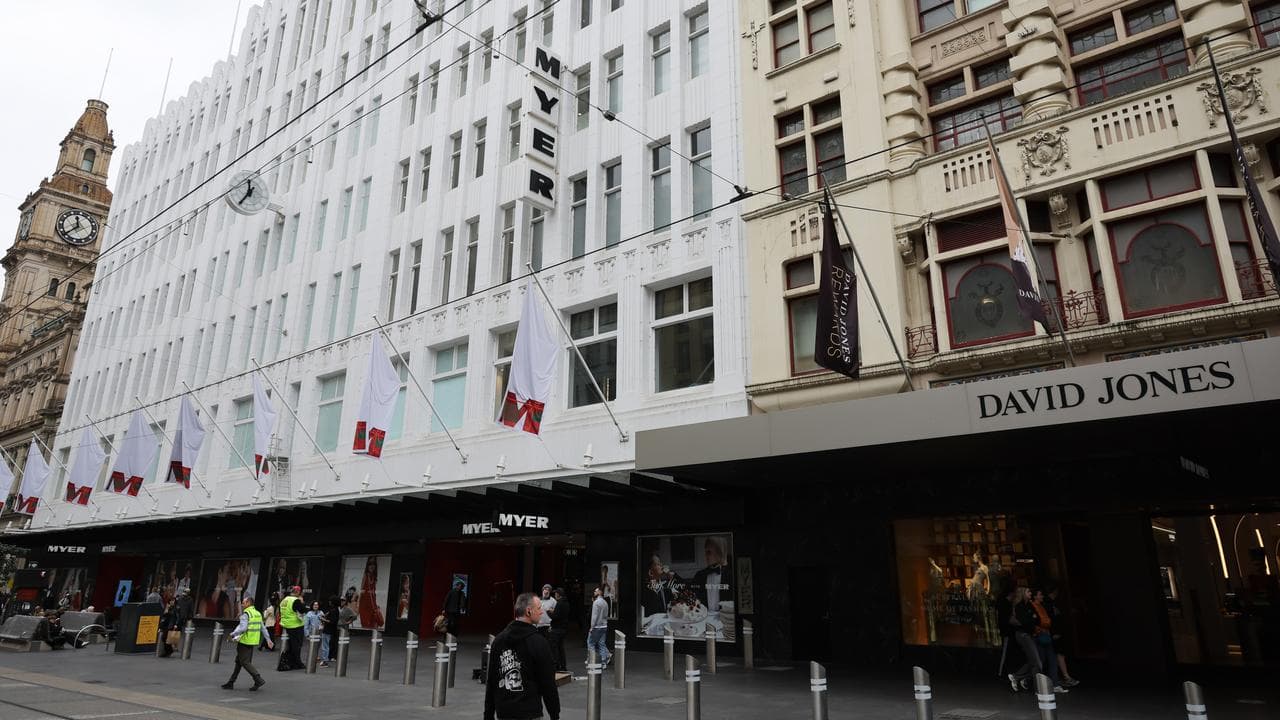
"When major retailers struggle, the implications extend well beyond the shopfront to tourism, hospitality, city workers, residents and Melbourne’s broader attractiveness as a destination.”
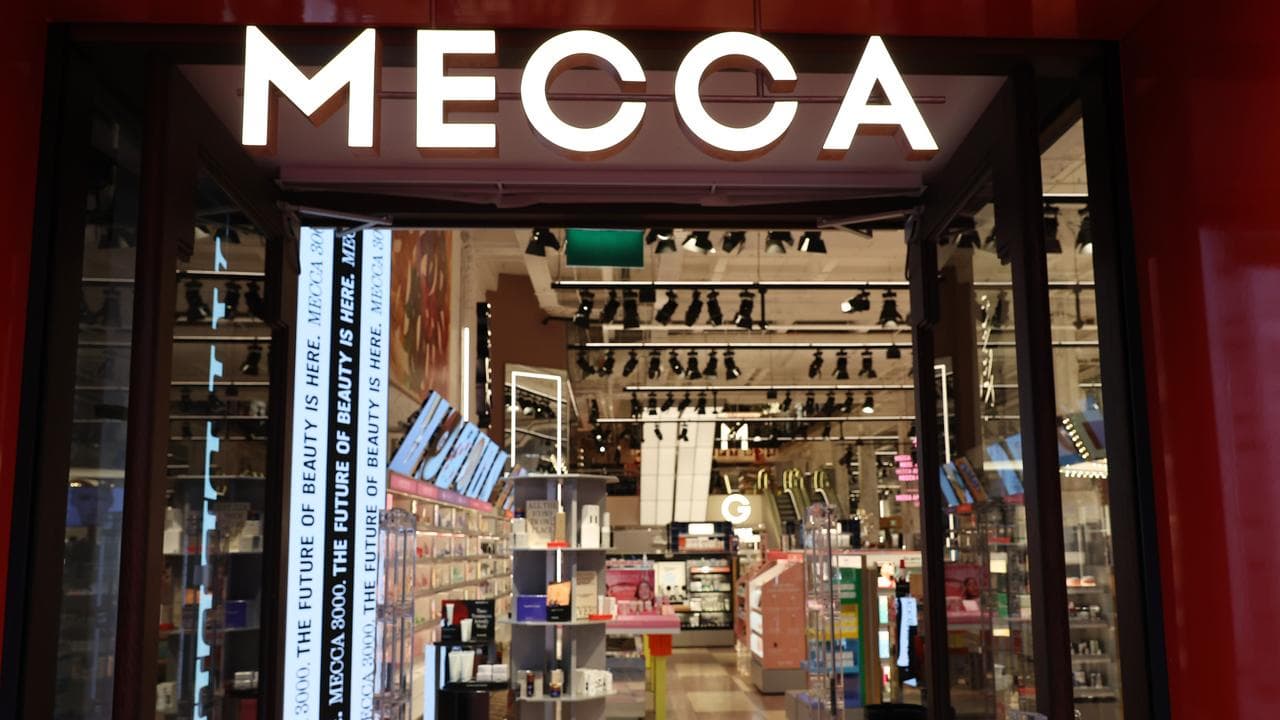
Many other retailers like makeup giant Mecca have successfully hit on what's important to consumers and are picking up the slack through activations, masterclasses and exclusive in-store offers.
"Have you actually walked past a Mecca like on a Saturday morning?" Prof Tan said.
"The music is pumping, people are lining up outside the doors."
University of Melbourne management professor Danny Samson accused David Jones of complacency in the face of their own imminent decline - comparing them to a frog in boiling water.
"Their business model has hardly evolved," he told AAP.
"They were the original retail experts, and yet they stayed there - and they got boiled."
For David Jones and many other traditional retailers, competing on price with wholly online operators has proved difficult.
"They should have downsized much earlier," Prof Samson said.
"We used to use the term 'bricks and clicks' - they should have invested earlier in their clicks."


