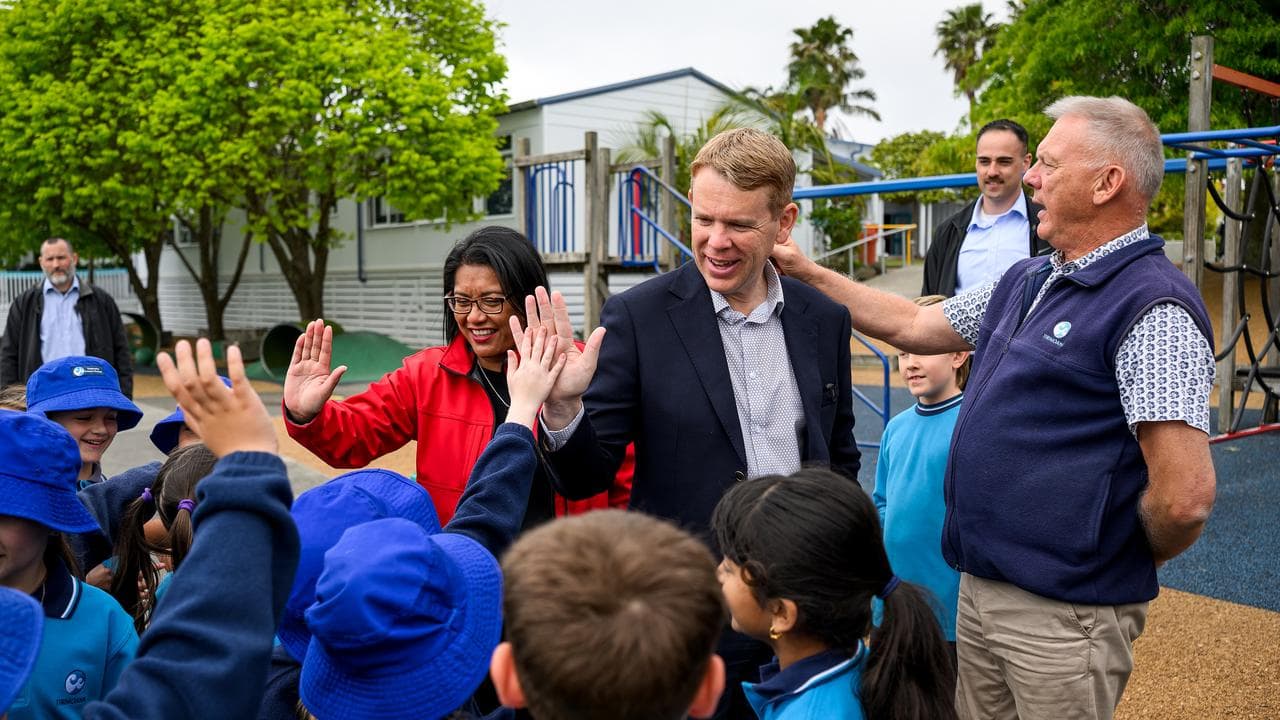
New Zealand's election race has entered the final 24 hours after a blustery debate typical of the tight and tense campaign.
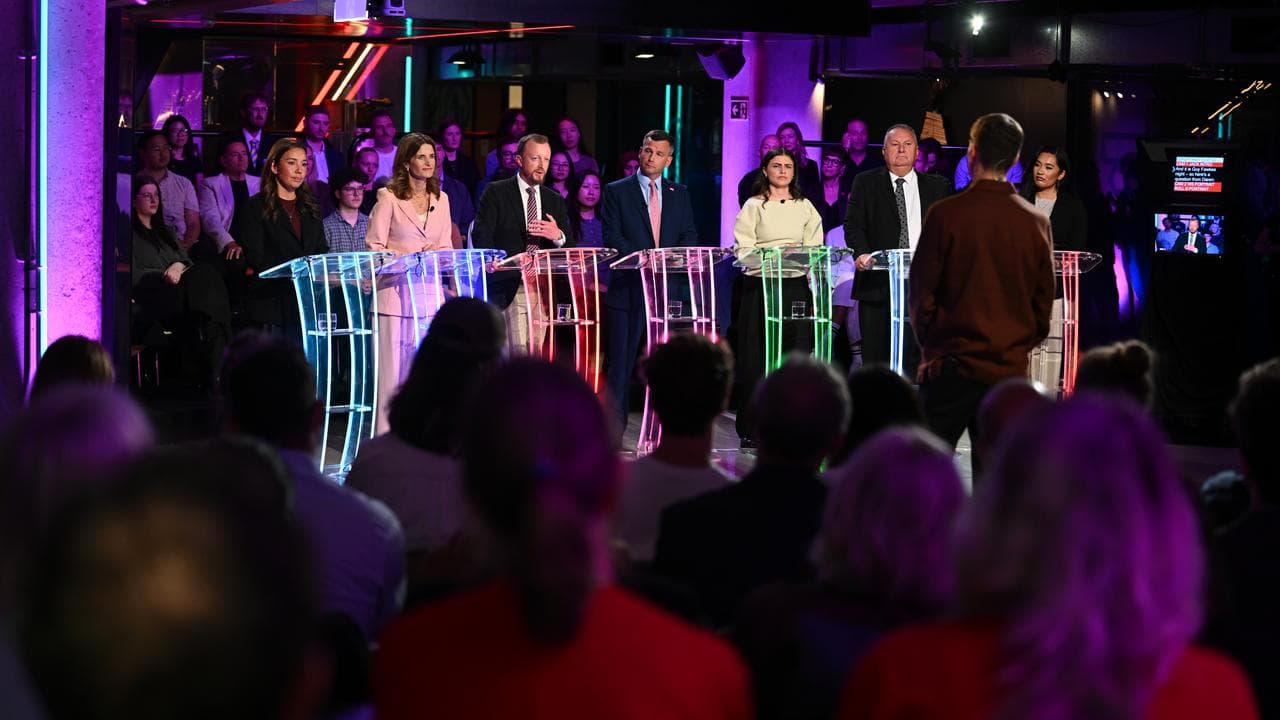
On Thursday night, representatives of the top seven parties engaged in the final TVNZ debate before the November 7 election.
In a format including audience questions, Australia featured heavily, including how to lure Kiwi expats home, replicating Australia's vape policy and avoiding its "failed" social media ban.
With one million viewers expected to have tuned in - or 25 per cent of the electorate - it may have been the last chance for parties to convince a swathe of undecided voters.
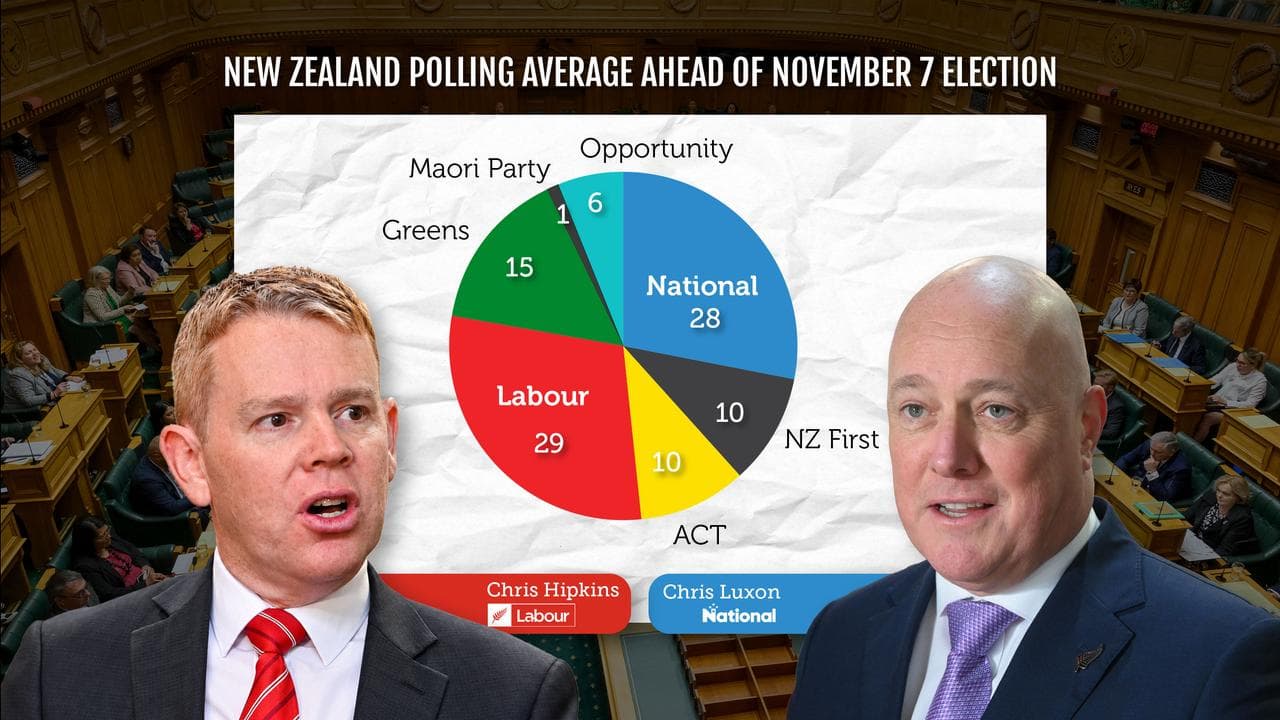
Polls point to a race too close to call, with new party Opportunity shaping as holding the balance of power and deciding the outcome in post-election coalition negotiations.
To that end, Opportunity leader Qiulae Wong might have won the debate by attending and getting in front of a large audience.
Ms Wong's party welcomes comparisons to Australia's teal movement, even using the same colour, and champions the same issues: integrity, climate and bipartisanship.
Several audience members asked questions about cross-party collaborations, and often the responses descended into cross-talk and acrimony.
Finance Minister Nicola Willis, deputising for National leader and Prime Minister Chris Luxon, was particularly combative, taking on Greens leader Chloe Swarbrick and Maori Party MP Hana-Rawhiti Maipi-Clarke.
Ms Willis became the lightning rod for government dissatisfaction, especially in constrained fiscal times, but did defend New Zealand's economic position compared to Australia.
"Inflation in Australia is far higher than here (and) interest rates are higher, so getting a mortgage is more expensive," she said.
"And as we look ahead, international economists say this little economy is going to be growing far faster than Australia's, partly because of our sensible economic management.
"Look at what this country is: we are safe, we are secure, we have the best farmers, the best growers, the best rocket men, the best movie stats, the best movie designers."
Labour campaign chair Kieran McAnulty was possibly the winner of the debate by talking the least.
He enjoyed stand-out moments with levity, including on a debate on New Zealand adopting nuclear power, when he admitted "the only thing I know about nuclear power is from watching The Simpsons".
Another came when he admitting he didn't read Of Mice And Men when assigned as a school textbook, only to luck into watching the film adaptation screening on TV3 the night before an exam.
"I was panicking. I turned the telly on, and the movie was starting, and I passed the exam," he said.
Labour and National are neck-and-neck in the election race, both polling just under 30 per cent, and both fall short of a majority when their likely coalition partners are factored in.
Labour leader Chris Hipkins will campaign in Wellington while most other leaders fight it out for votes in New Zealand's biggest city, Auckland.
Mr Luxon will wrap up a week-long bus trip from the capital to the city of sails, arriving in his electorate of Botany on Friday night.
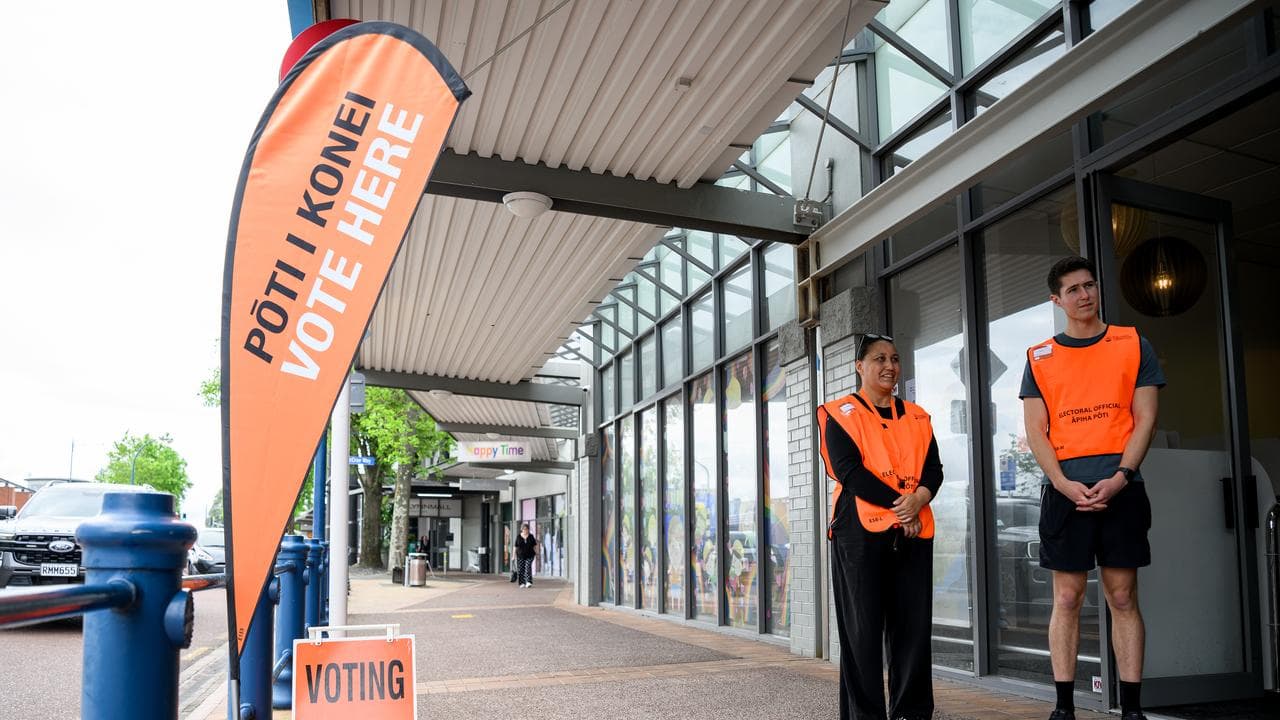
NZ First leader Winston Peters, who will vote in Ponsonby as he seeks a 14th term as an MP, offered a damning verdict on the campaign, which he believed was devoid of policy discussion.
"It's the worst of my career, easily. It's the worst I've ever seen," he told Radio NZ.
"So much of this has not been about substance. It's been about performative virtue signalling, holding events when there's no political interest whatsoever."


