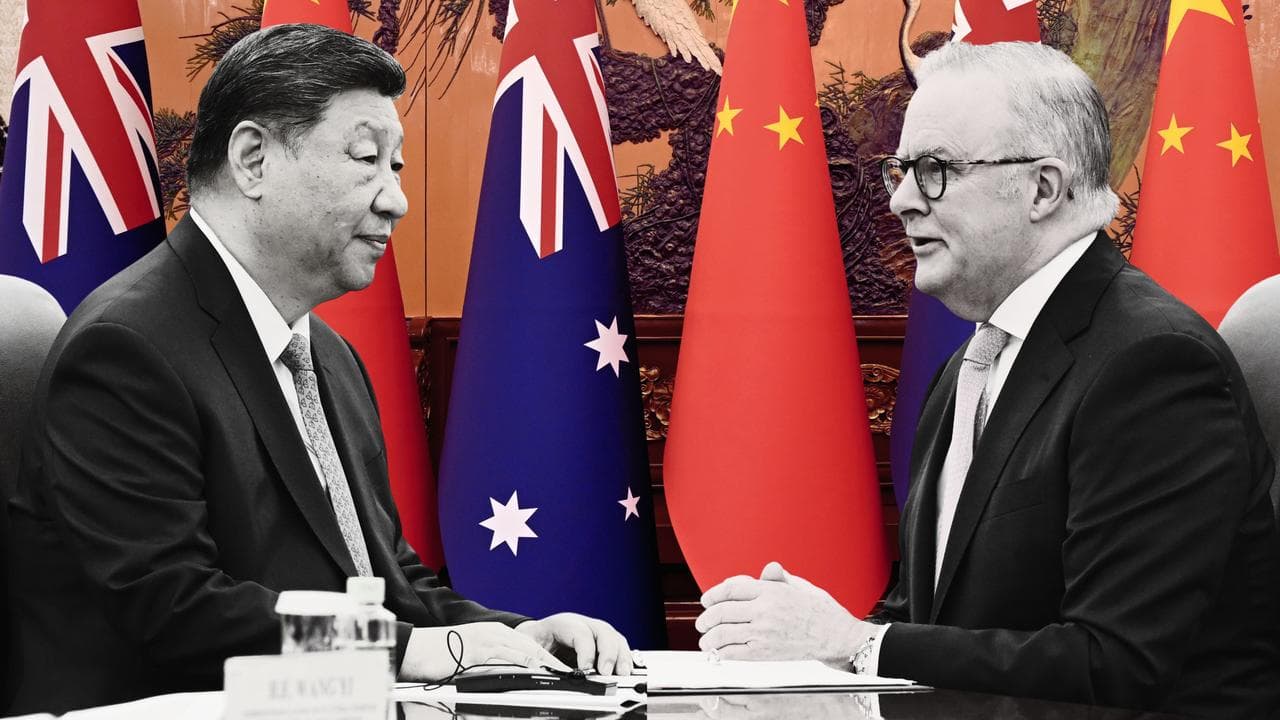
Anthony Albanese has been urged to call the Chinese president after a widely condemned missile test that has outraged Pacific leaders.
The nuclear-capable, long-range missile was launched from a submarine in the South Pacific on Monday with Australia given only a few hours' notice.
The missile is understood to have landed southeast of Nauru.
Pacific Minister Pat Conroy, who is representing Australia at the NATO summit in Turkey, said the missile test had been a feature of several discussions at the conference.
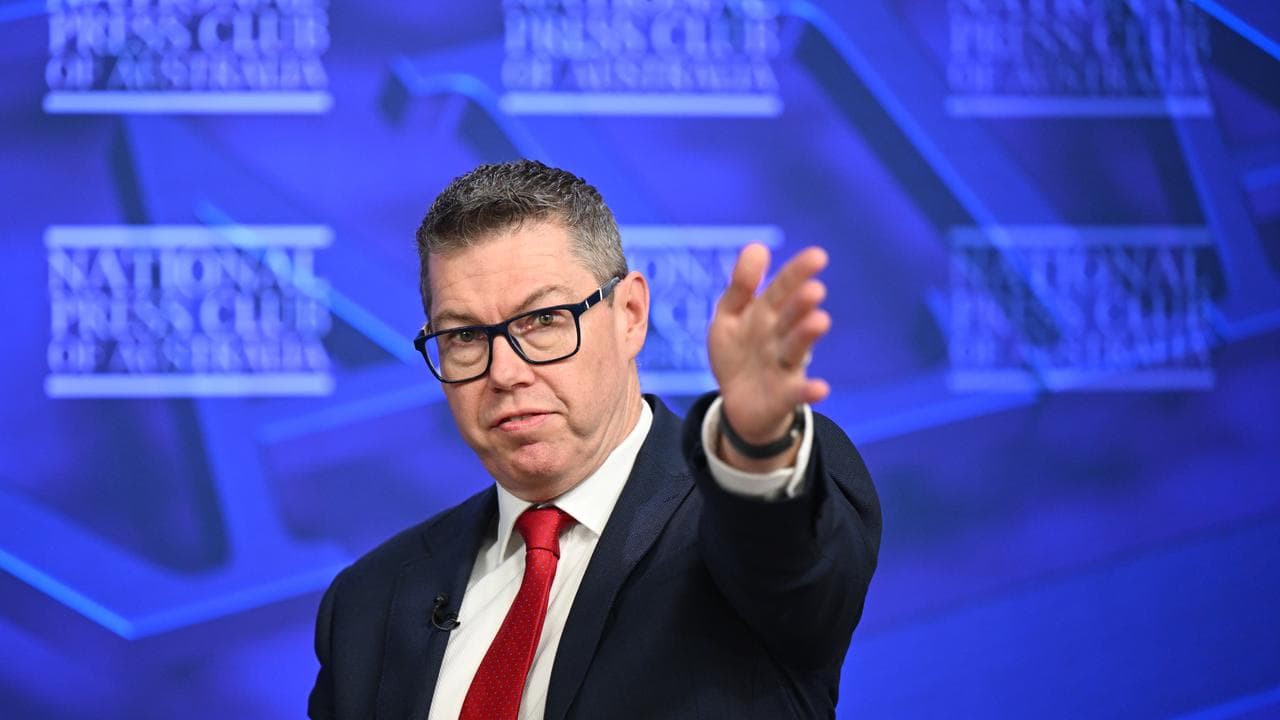
"NATO is taking plenty of notice," he said on Wednesday.
"The secretary-general, Mark Rutte, has talked about it publicly.
"Many of the NATO countries also highlighted it, it's another example of how we're all interconnected. There's no such thing as a regional conflict; all conflicts are global now."
The missile was fired within hours of Australia signing a defence alliance with Fiji, aimed at keeping China at bay in the Pacific.
Prime Minister Anthony Albanese said the Pacific Islands Forum was drafting a strong statement in response to the test.
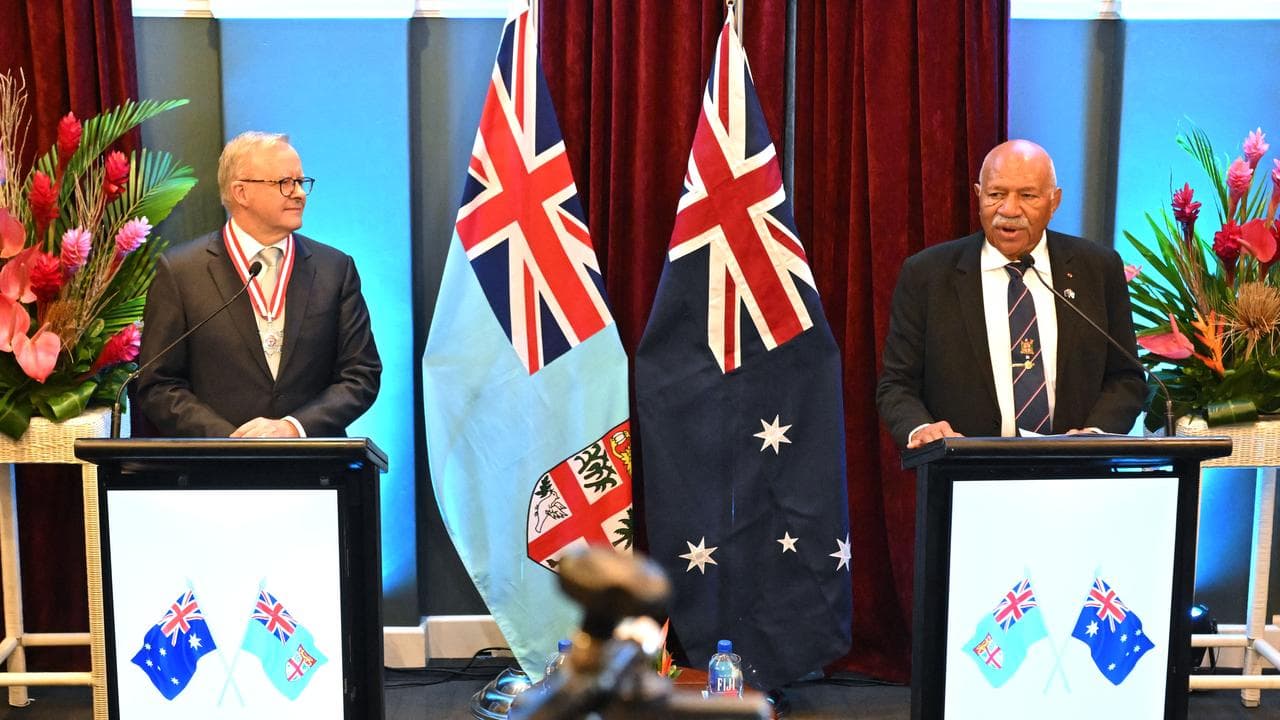
"We want to be responsible for our security. Pacific leaders coming together to provide security for our own region as members of the Pacific family," he said.
Opposition foreign affairs spokesman Ted O'Brien said the prime minister and Foreign Minister Penny Wong needed to pick up the phone and hold leader-to-leader discussions as a priority.
"This should not be postponed as one of many talking points at a future multilateral forum, this is important enough for there to be direct-level representations made," he told AAP.
"The government claims to have stabilised the relationship with China and to have built positive relations.
"If the relationship is as good as Labor suggests, surely a phone call between leaders is not too big an ask."
Beijing has been seeking to ink its own security deals with Pacific nations.
Mr Conroy said the test only reinforced the need to bolster efforts in the region.
"There's an element of contrast where China was ignoring the stated wishes of Pacific leaders at the same time as we were signing our fourth alliance ever with Fiji," he said.
"It demonstrates that the way we're going about business in the Pacific will be more effective."
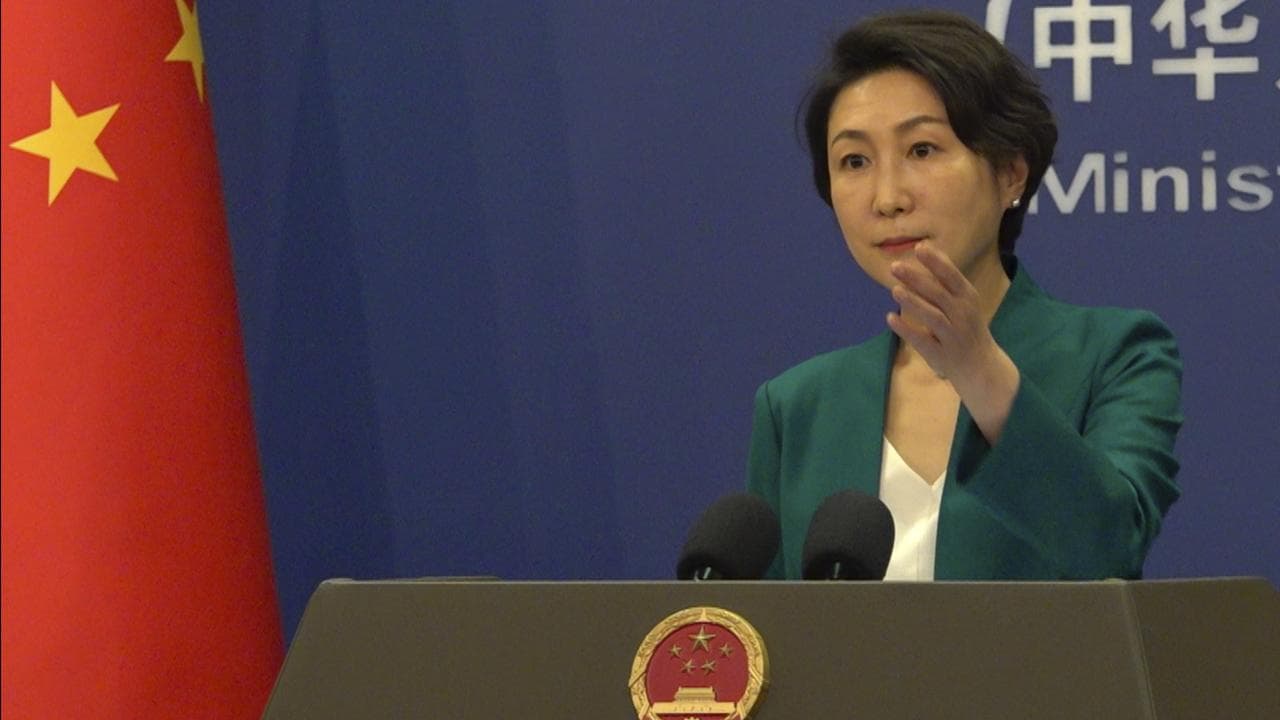
Chinese foreign ministry spokeswoman Mao Ning defended the test, saying it was a routine arrangement in its military training program.
"It is consistent with international law and customary international practice and is not directed at any specific country or target," she said.
"The countries concerned were informed prior to the launch. The whole process was safe, standard and professional.
"We hope relevant countries will not read too much into it."


