
Younger Australians are more likely to rationalise stealing, changing price tags and deliberately misusing self-serve checkouts, research shows.
More than one-in-four shoppers believe retail theft is justifiable in some forms, a June survey of 1047 Australian adults toward deviant consumer behaviours shows.
Examples included taking an item without paying for it (27 per cent), changing price tags on products (30 per cent), not scanning some items at self-checkout (32 per cent) and scanning items as cheaper products (36 per cent).
The vast majority (85 per cent to 89 per cent) acknowledged the actions were illegal, but there was a clear generational divide on their justifiability.
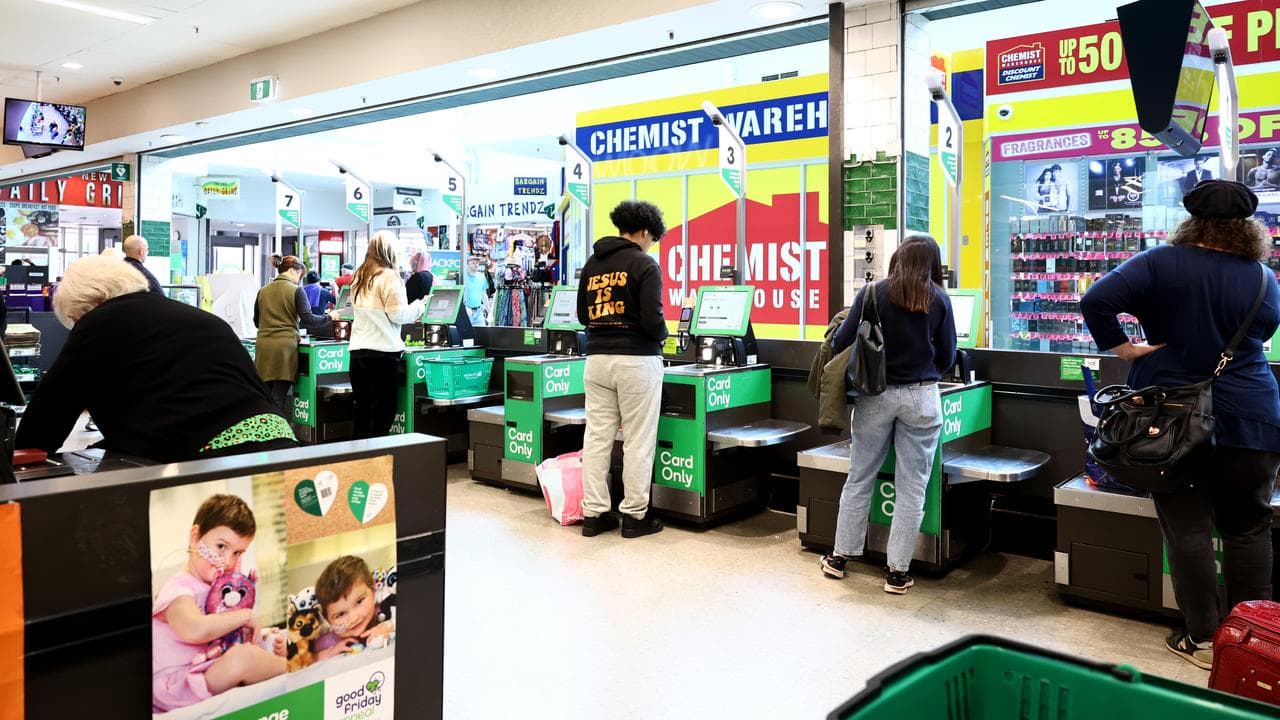
Nine out of 10 shoppers 55 years and older said taking an item without paying for it was not at all justifiable, compared to 46 per cent among those aged 18 to 34.
There were similar chasms of opinion for changing price tags and deliberately misusing the self-serve checkout.
The study's lead author said the number of Australians who considered some form of retail theft to be justifiable was growing.
"These findings are concerning because while most people acknowledge such behaviours are illegal, there is a growing acceptance of them in practice," said Stephanie Atto, research and strategy director at Monash Business School's Australian Consumer and Retail Studies.
Consumers also said it was justifiable to mislead shop assistants about unpriced items (34 per cent), write negative reviews for compensation (40 per cent) and stay silent when a bill was miscalculated in their favour (60 per cent).
Despite heightened media coverage of abuse in retail settings, three out of four respondents said they felt very safe or safe at shopping centres.
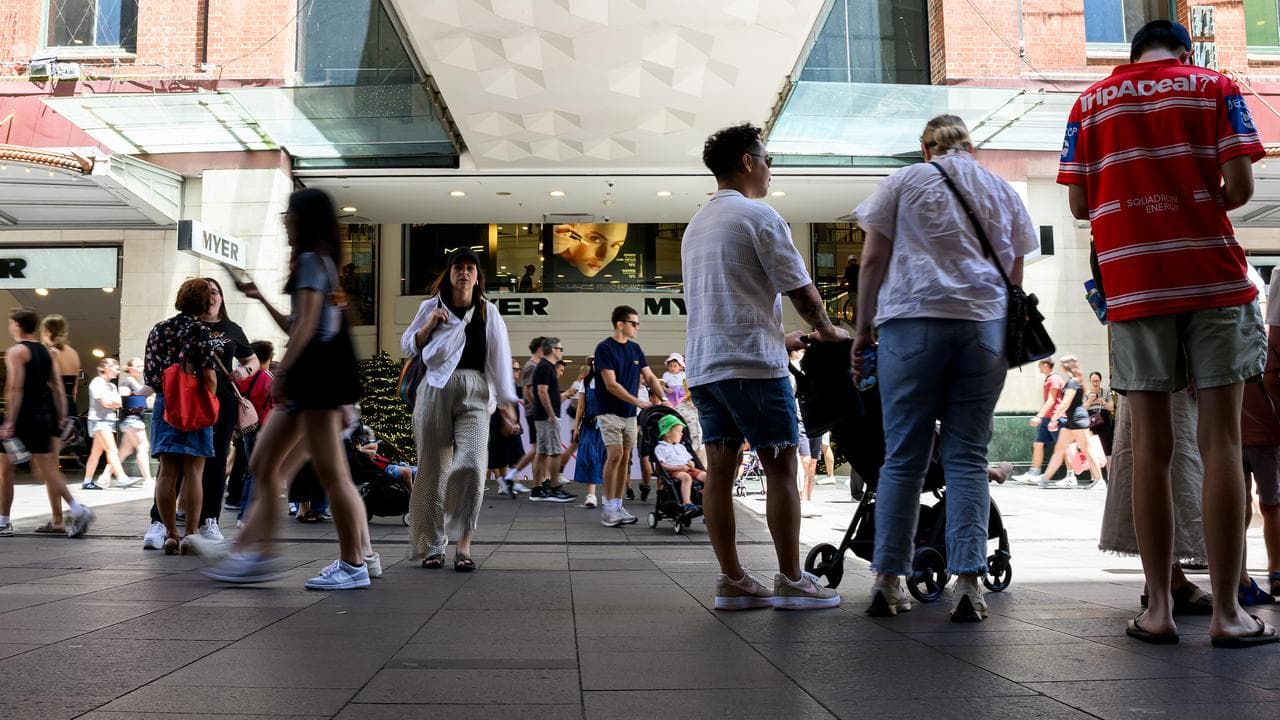
Most shoppers didn't see any concerning behaviour, but some witnessed verbal abuse (14 per cent), physical violence (six per cent) and robbery (five per cent).
Retail theft rose 27.6 per cent in Victoria over the year to June and there were 595,660 victims of theft nationally, a 21-year high.
The researchers warned rising retail crime threatened to offset recent gains in trade and consumer confidence.
"Retail crime is a shared problem that requires a united approach, integrating technology, stronger communication and consistent legal frameworks across retailers, law enforcement and government bodies," Ms Atto said.
NSW passed laws in 2023 to beef up penalties for people who assault retail workers.
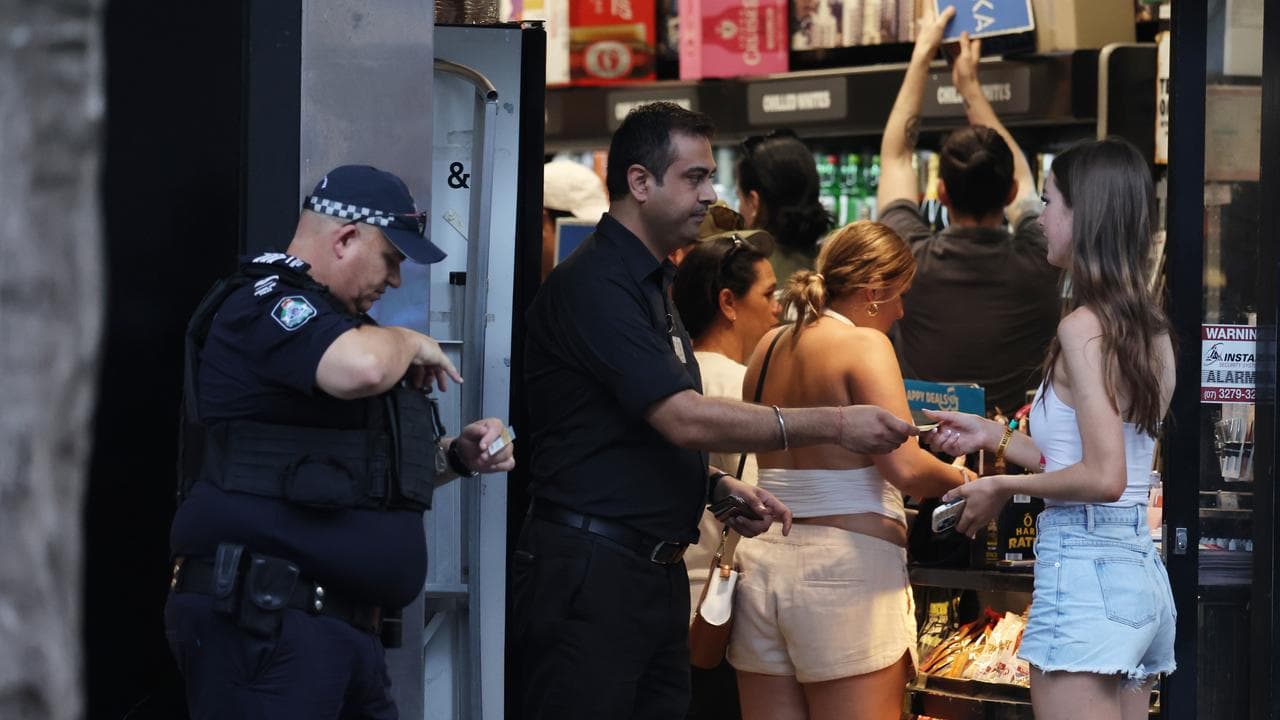
The Victorian government has pledged similar changes, with legislation expected before state parliament later in 2025.
The greater acceptance of anti-social behaviour was "not surprising" in a time of significant price rises and cost-of-living pressures, Shop, Distributive and Allied Employees' Association national secretary Gerard Dwyer said.
The union leader said the research was a reminder improved equity, especially inter-generational equity, must be top priority for policy and decision makers.
"We note that governments around the country have responded to the SDA's approaches by upgrading both penalties and crimes," he said.
"It is high time for the Victorian government to live up to its promise of May last year to do likewise and introduce the enabling legislation without further delay."


