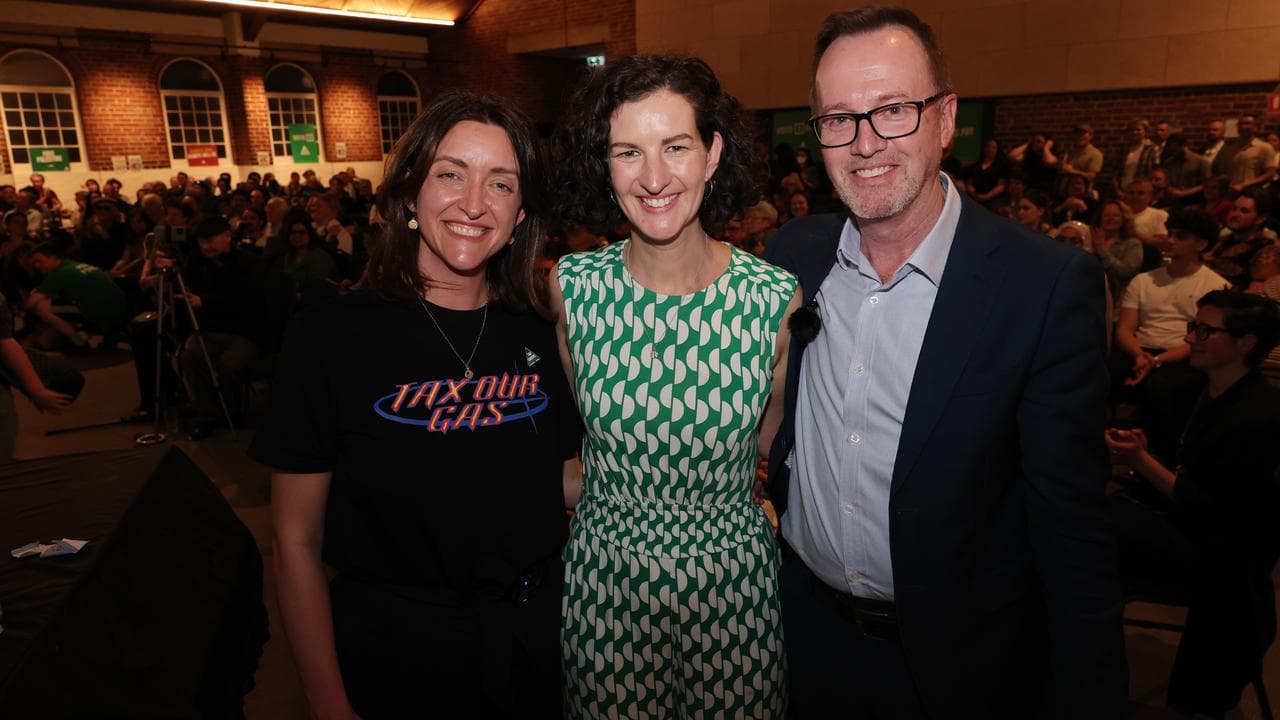
The equation is simple: to wrench some spotlight back from One Nation and present a better third option for voters tired of the status quo.
But the real test for the Victorian Greens is whether this is doable.
State leader Ellen Sandell says the number one message she is hearing ahead of the November 28 state election is of frustration with the government and opposition in similar measure.
“People are looking for an alternative and now we have a genuine four-way contest where we're providing the positive vision," she tells AAP.
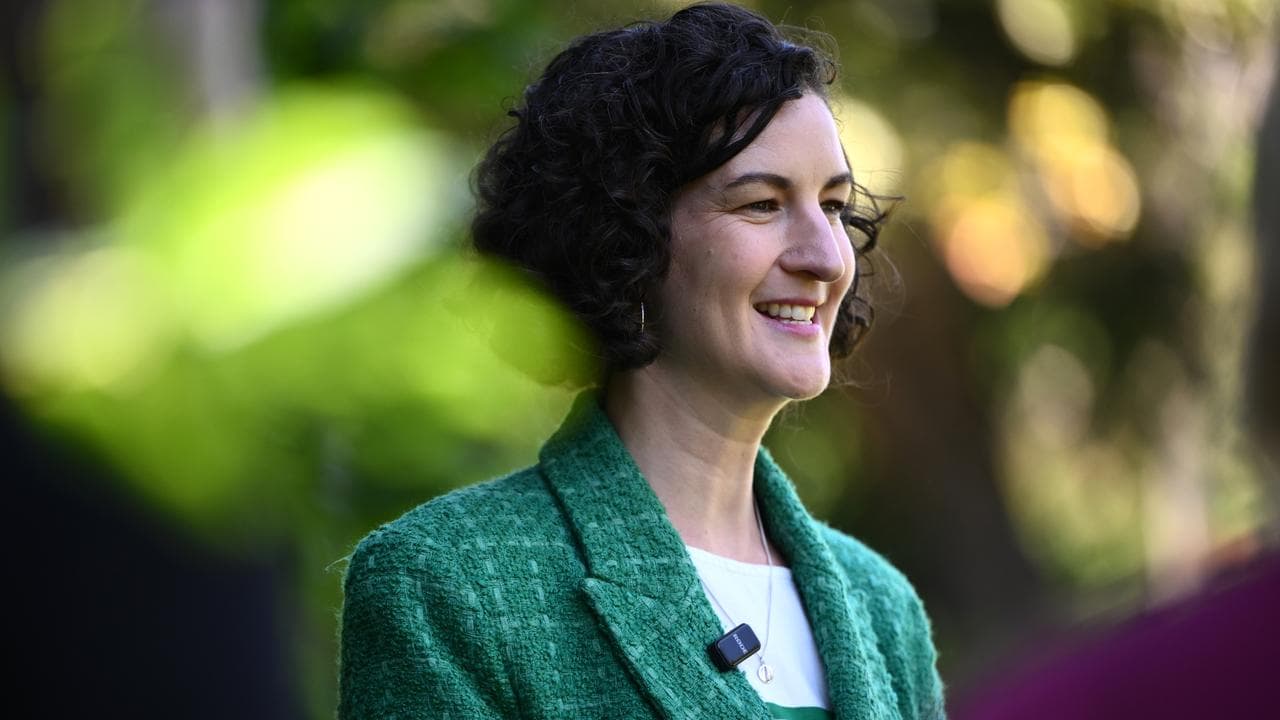
"One Nation's providing the divisive politics and wanting people to turn their anger towards their neighbours but we don't think that's who we are in Victoria.”
The Greens no doubt face challenges.
Monash University political expert Benjamin Moffitt goes so far as to say they face an identity crisis that is preventing the party from cutting through.
"There’s confusion and a kind of timidity that has marked this period for them when, really, it should be their time to shine," Professor Moffitt says.
With Labor increasingly "on the nose" with voters, an election in the country's most progressive state should give the Greens a real opportunity, he adds.
"That's as good as it gets to in terms of setting up the conditions for more votes and that just doesn't seem to be happening," Prof Moffitt says.
“The election's almost being set up as a referendum on Labor and that's instead being captured by the Liberals and One Nation.”
Polling so far has placed the Greens on about 14 per cent of the primary vote and generally well behind One Nation.
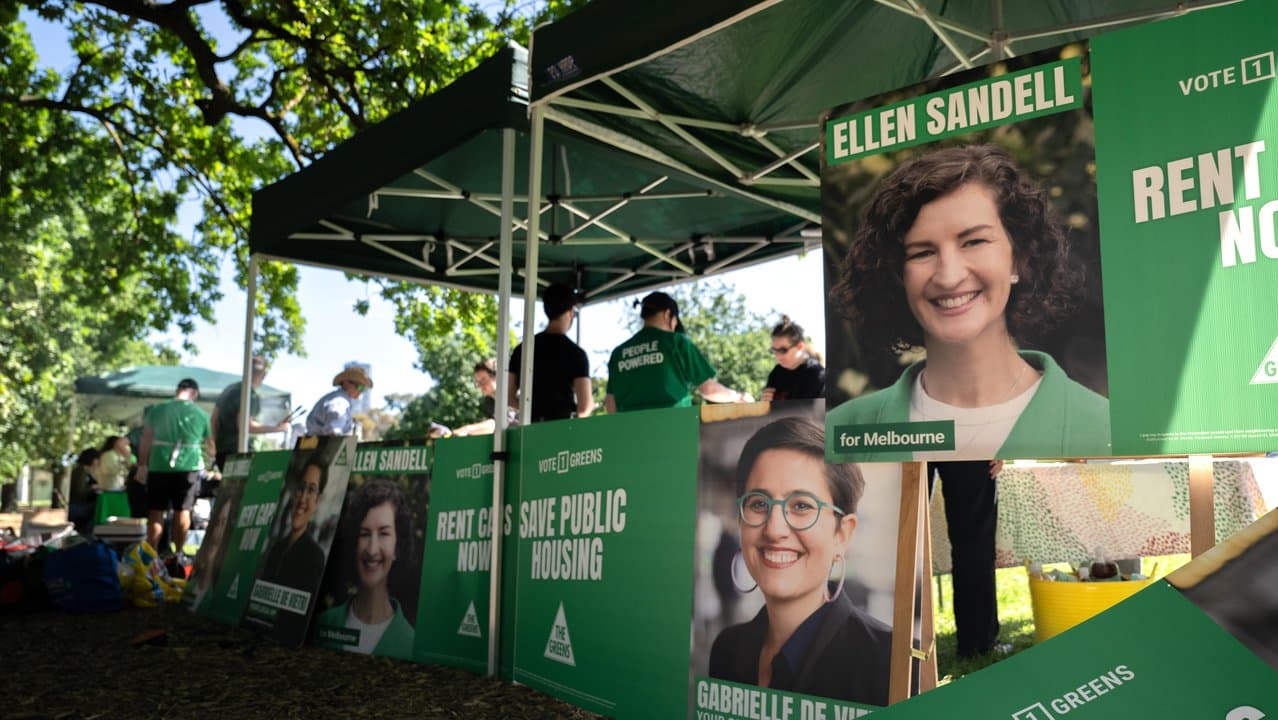
But Ms Sandell disagrees, citing internal research that has the party at 15 per cent of the primary vote, ahead of One Nation with 14 per cent.
"It's showing we're on track to double our numbers or better across both the lower house and the upper house, and also win seats in the lower house that Labor's held for 100 years," she says.
Accordingly, the party's message is clear.
"It's about a politics that works for people, not corporate profit," Ms Sandell says.
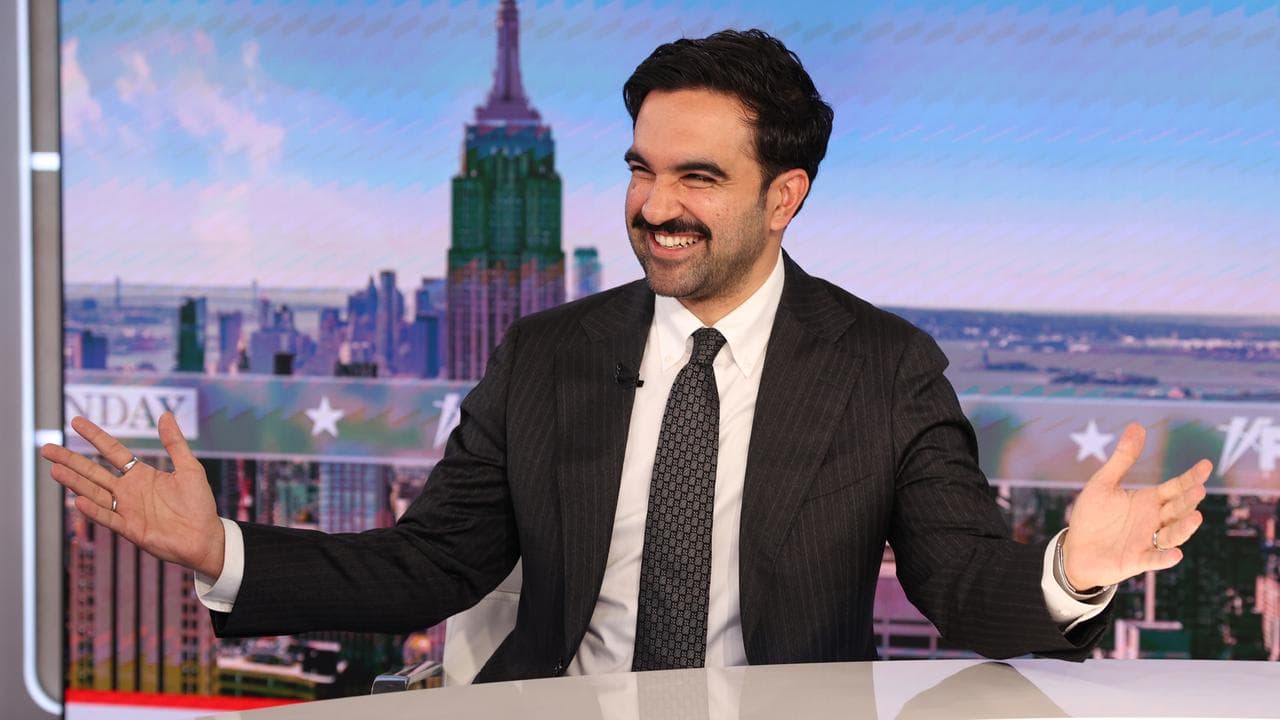
Borrowing from the left-wing populist playbook of New York City mayor Zohran Mamdani is just one way the Greens have tried to woo support.
Promises of free public transport, New York-inspired youth crime-deterrence programs, publicly owned supermarkets, more public housing and rent caps go to the heart of what is weighing on voters.
"We have taken ideas from other places all around the world that have worked," Ms Sandell says.
"All of it is tied together by saying ... big corporations should pay their fair share of tax and if they did, we could actually afford to fund these things that make people's lives better."
The concern that both major parties and One Nation will prioritise big business over people is one the Greens are desperate to nail to the ballot box.
"One Nation works for their big corporate donors," Ms Sandell says.
"Just the same as Labor and Liberals."
The Greens hope to retain their two lower house seats, Richmond and Melbourne, and pick up a handful more including Northcote and Prahran, as well as the long-held Labor electorates of Pascoe Vale and Footscray.
The seat of Brunswick - classified as vacant following the death of Greens MP Tim Read - is another the party is hotly contesting.
A recent poll has the Greens on track to double their four current upper house seats.
Greens candidate Angelica Di Camillo is a strong chance to reclaim Prahran, the seat she lost to the Liberals in a 2025 by-election.
"Because we can win here, it gives people the social license to vote for us and vote in line with their values," she tells AAP.
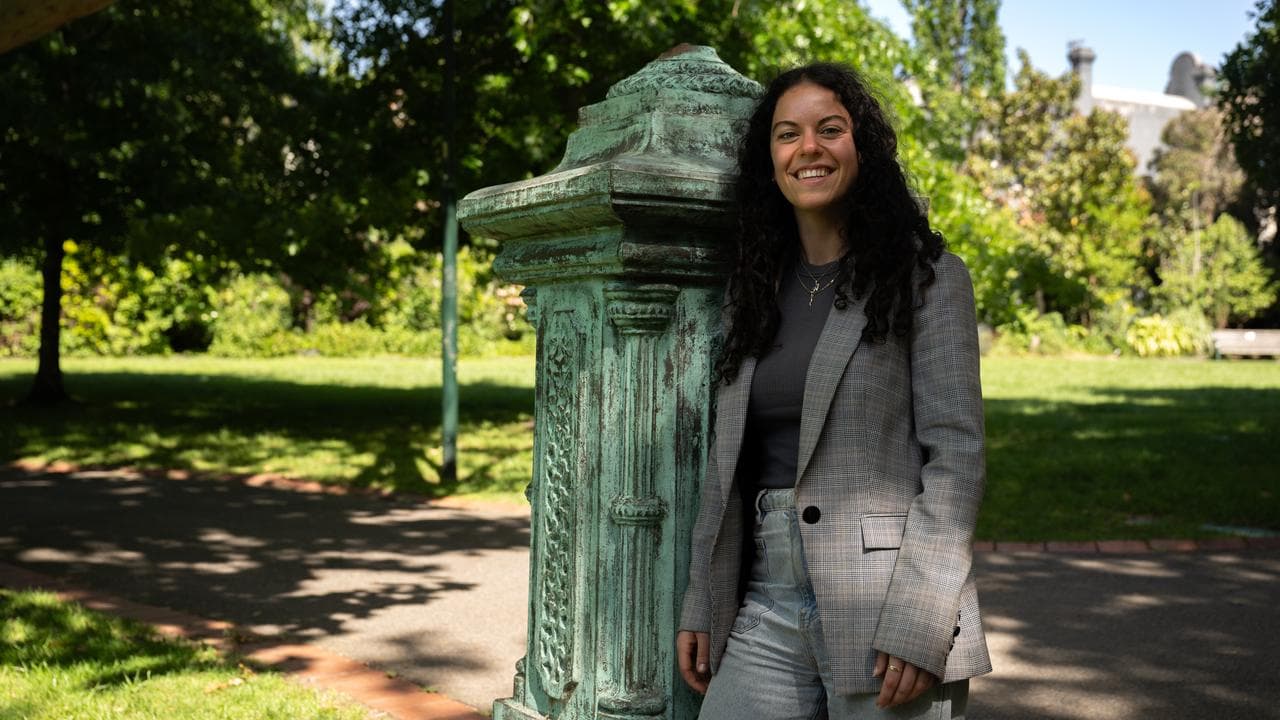
Working as an environmental engineer in the clean energy transition space, Ms Di Camillo says she sees profit prioritised over outcomes.
"It's this feeling of restlessness and working in industry and seeing we have a lot of the technology and the expertise but not a lot of political courage to actually make the changes," she explains.
She says what she hears from her electorate - 55 per cent of whom are renters - is they want big businesses to pay more tax to fund high-quality public services for everyone.
"What I'm hearing on the ground is people want that bold vision because at the moment, we just have a government with no political courage," she says.
"There is this distrust of politics at the moment, which is completely fair when you see the leaders and the way they conduct themselves, and people can see that it's quite corrupt.
"People are, and rightly so, quite frustrated and disappointed and feeling hopeless that politics can improve their lives at all."


