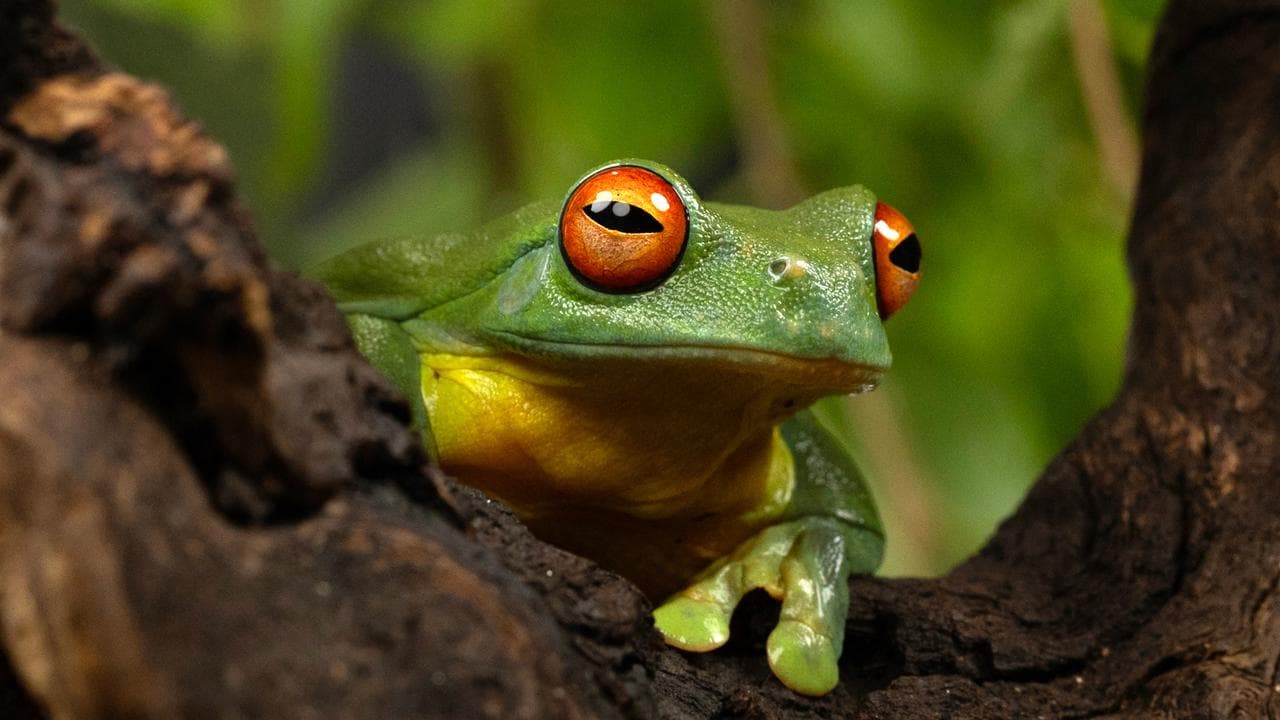
Scientists are encouraging Australians to explore their backyards to help identify frog species and support conservation.
The Australian Museum is inviting people around the country to record frog calls through a free app as part of FrogID Week, which runs until November 15, to help scientists identify threatened species.
A study of almost 500,000 previous FrogID records found 86 per cent -including recordings of 20 threatened species - were captured on private land in NSW.
Species located by FrogID recordings include the magnificent brood frog and the green and golden bell frog.
The museum's lead FrogID scientist Jodi Rowley said recordings submitted by the public helped scientists fill important knowledge gaps.
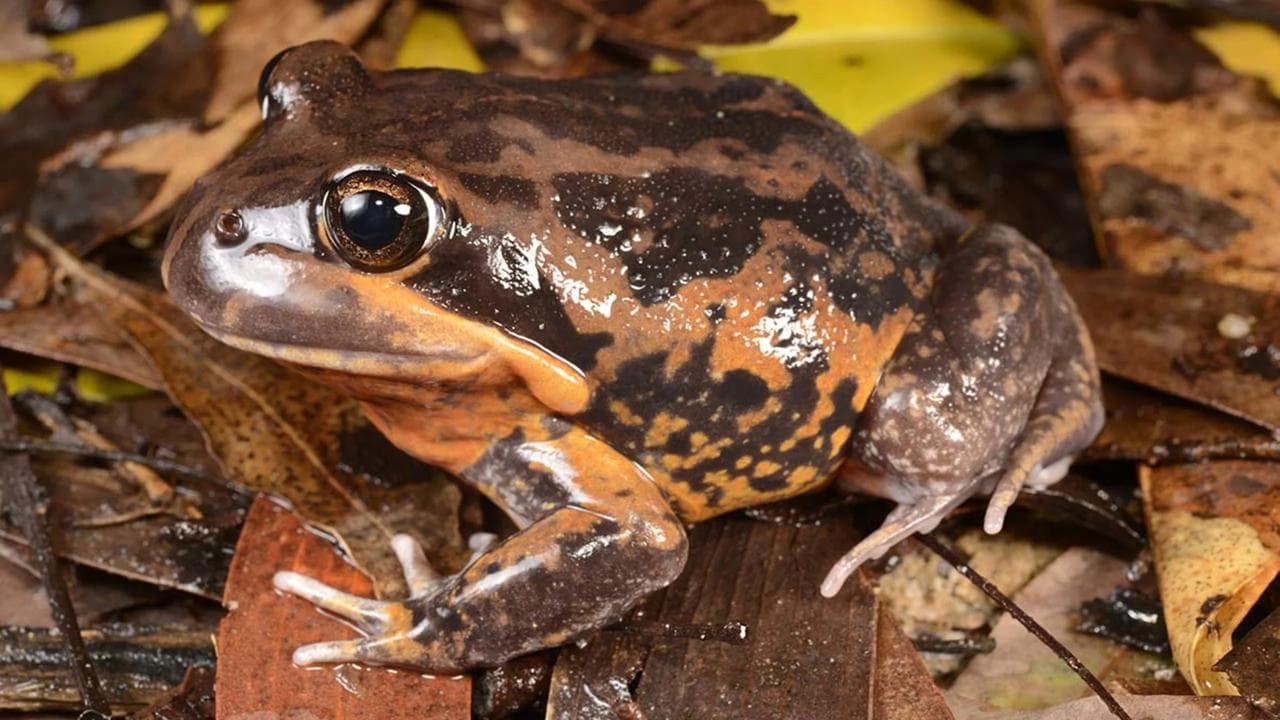
“We need to know where threatened frogs are surviving if we're going to protect them. Some of the most valuable information we're getting is coming from people recording frogs around their own homes," she said.
Dr Rowley, who curates amphibian and reptile conservation biology at the museum, said citizen scientists were encouraged to submit recordings of all frogs, not just rare ones.
"Even recordings of common species are valuable, particularly when people return to the same location, as they help us understand how frog populations are changing over time," she said.
Australians have submitted more than 1.5 million frog recordings to FrogID in the past nine years.
The 26,700 recordings uploaded during the 2025 FrogID Week documented 118 species - the highest number in the event's history.
Scientists hope to expand geographic coverage of the FrogID recordings beyond the 44 per cent of the country currently documented.
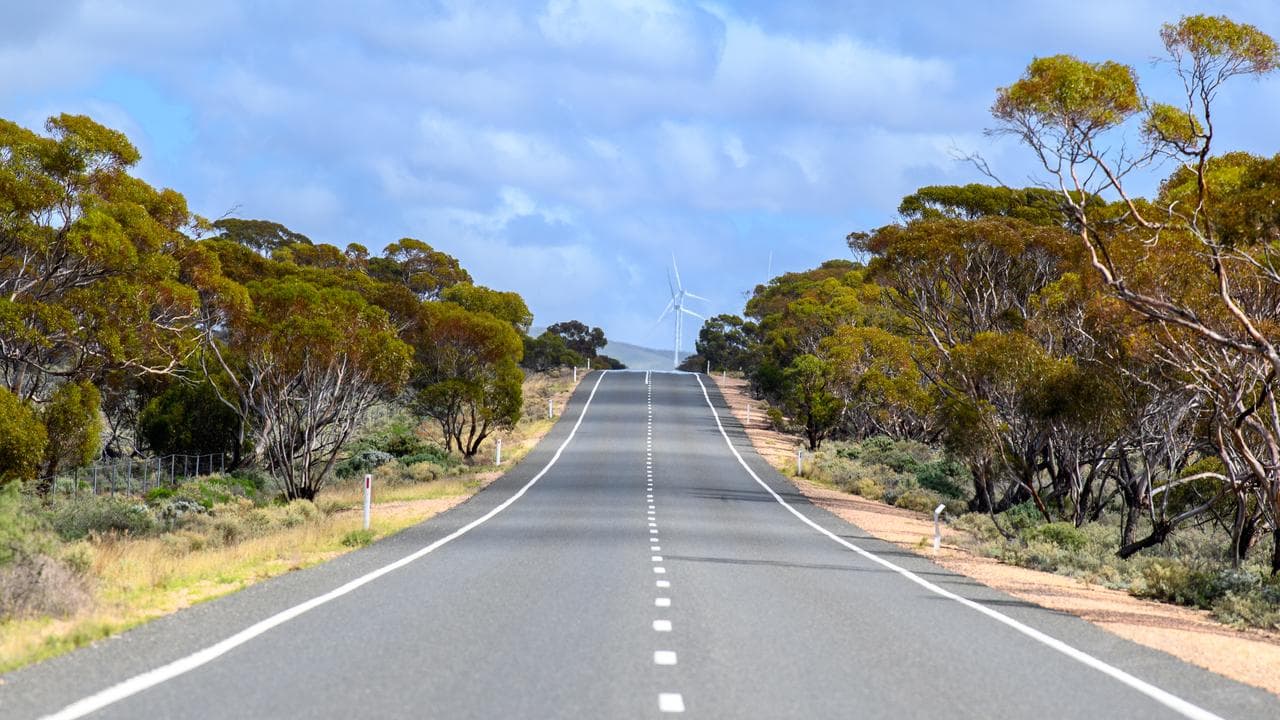
They are particularly interested in recordings from rural and remote communities where little is known about local frog populations.
These areas include Cherbourg, Mapoon, Woorabinda and Wujal Wujal in Queensland, Belyuen in the Northern Territory, Cleve, Coober Pedy, Roxby Downs, Kimba, Peterborough, Maralinga Tjarutja, and Karoonda East Murray in South Australia, and Cottesloe, Bruce Rock, Kojonup, Morawa, Dumbleyung, Trayning and Peppermint Grove in Western Australia.
To participate, Australians can download the FrogID app and record frog calls whenever they hear them.
Experts at the Australian Museum will review all the recordings.
They hope to receive recordings of 20 priority frog species as part of this year's event, including the superb banjo frog in Queensland, the green and golden bell frog found in NSW, Victoria and the ACT, the Tasmanian tree frog, the desert spadefoot found in Queensland, SA, WA and the NT, and the southern bell frog, found across southeast Australia.


