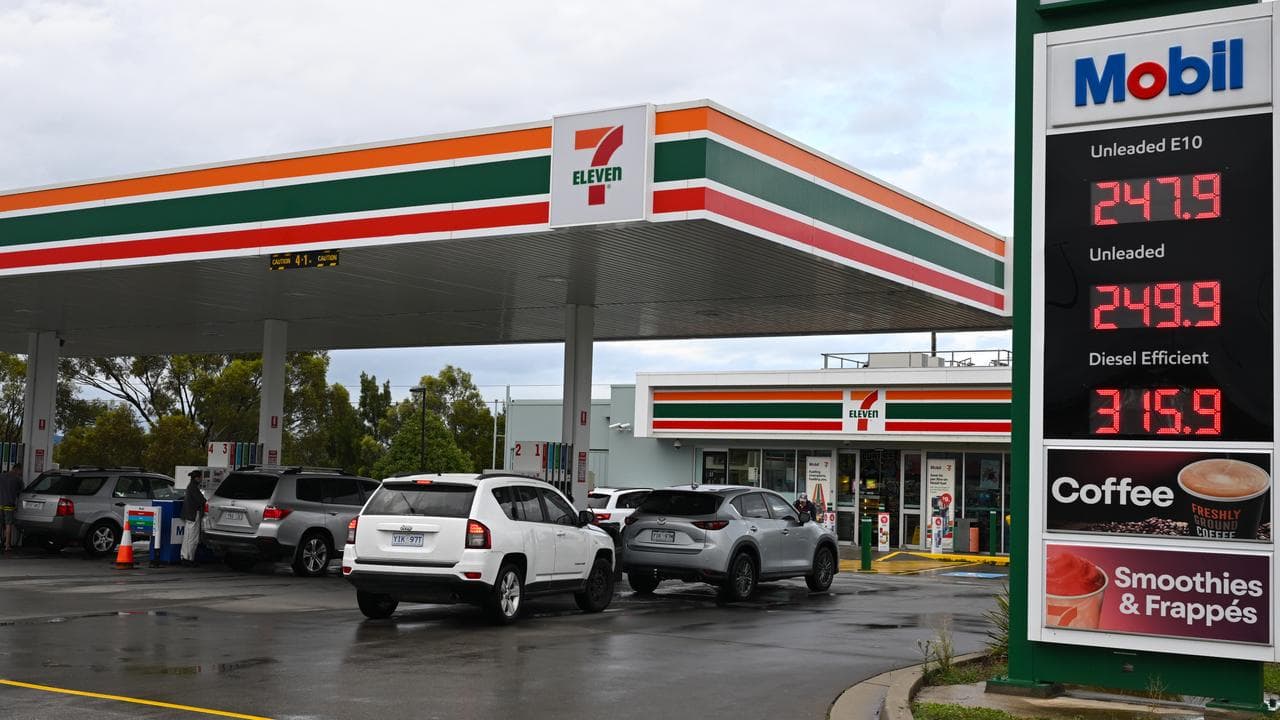
Real-time fuel price checks will be strengthened as motorists are warned to expect high costs at the bowser even if the war in the Middle East comes to a swift end.
The number of service stations that have run out of petrol and diesel nationwide has dropped in recent days after a spike in fuel purchases in response to soaring prices and localised shortages.
Some 312 service stations out of 8000 were without diesel following a reduction in fuel excise took some of the edge off high prices due to the Iran war.
The NSW and West Australian governments on Easter Sunday announced extra measures to improve data collection and public information about fuel prices while increasing monitoring of retailers.
WA Premier Roger Cook said all service stations across the state would need to report their prices to the government's FuelWatch service by May.
Retailers that don't comply will face increased fines of up to $4000.
"Future measures that compel retailers to flag when they are out of fuel, or close to being, will be of great use to families, farmers and businesses, and will also help government to better identify the regions that are experiencing fuel shortages," Mr Cook said.
In NSW, the state-run FuelCheck service will get an extra $2.2 million in funding to give motorists instant information about fuel prices from about 2400 service stations.
Retailers that break the rules face on-the-spot fines of $1100, or court penalties of up to $22,000 for individuals and $110,000 for corporations.
Daily visits to the FuelCheck app and website soared 50-fold between January and late March, the state government said.
A compliance blitz of 1800 NSW service stations had already taken place with 93 infringement notices issued since the start of April.
A temporary halving of fuel taxes by the federal government has helped bring down retail fuel prices, which have dropped about 30c per litre for unleaded petrol in recent days.
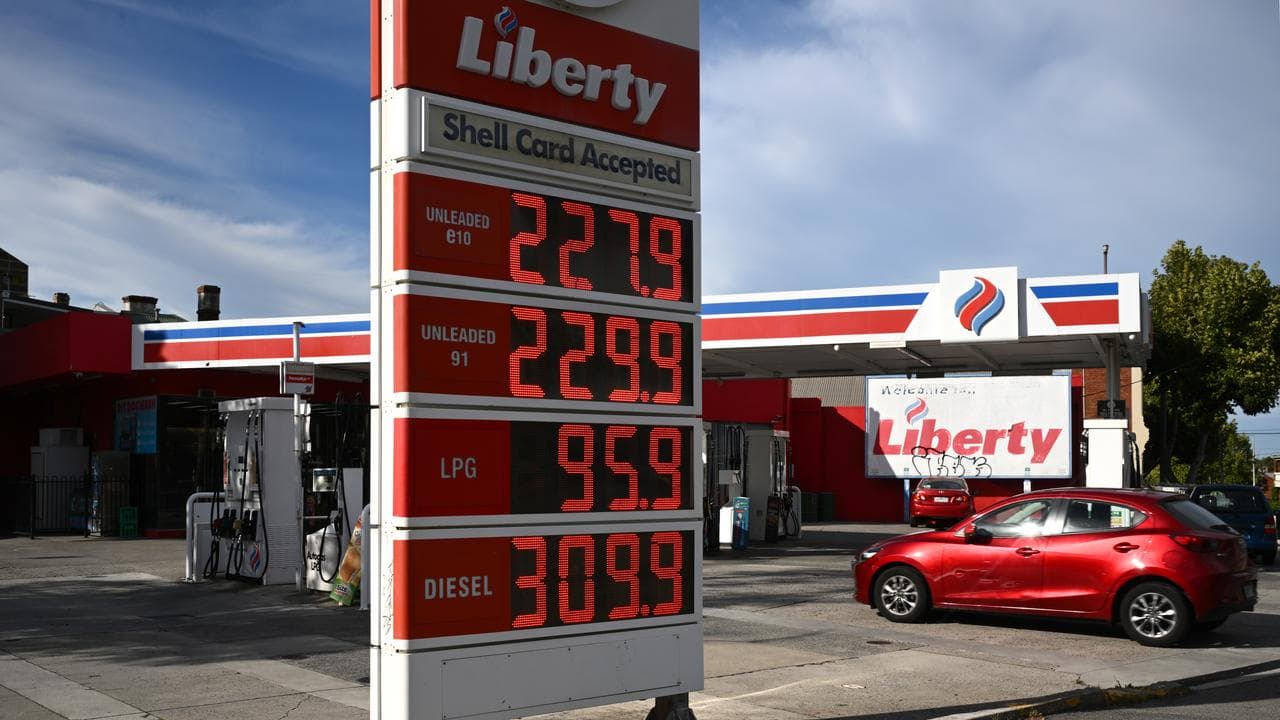
Reserves stood at 39 days for petrol, 29 days for diesel and 30 days for jet fuel.
Energy Minister Chris Bowen said there were more than 50 ships carrying fuel on their way to Australia from Asian refineries, the US, Mexico and elsewhere.
New orders had more than replaced the cancelled ones and fuel companies were confident about the supply of 3.7 billion litres booked in for April and into May, he said.
But Assistant Foreign Affairs Minister Matt Thistlethwaite warned the economic and fuel-price shocks from the Iran war would be felt long after it ended.
"It's going to have a long tail, unfortunately," he told Sky News on Sunday.
"If it ended tomorrow, there'd still be effects in the coming months, but we're planning for that."
Mr Thistlethwaite also acknowledged high fuel prices would feed into inflation, lifting the cost of groceries and other essentials.
While the government should be commended for bolstering fuel stocks, the Australian Logistics Council said it must also look towards supply chain sustainability, resilience and productivity.
"This is the most serious global supply chain interruption to energy ever and we need to see this in the context of Australia's future," chief executive Hermione Parsons told AAP.
Any measures needed to go beyond just replacing one source of energy, such as imported fuel or crude oil, with domestic production.
Renewable diesel, fleet electrification and relying more heavily on rail transport should also be in the mix.


