A softer-than-expected inflation result will give the Reserve Bank a little more space to leave interest rates on hold, but another hike is not off the cards yet.
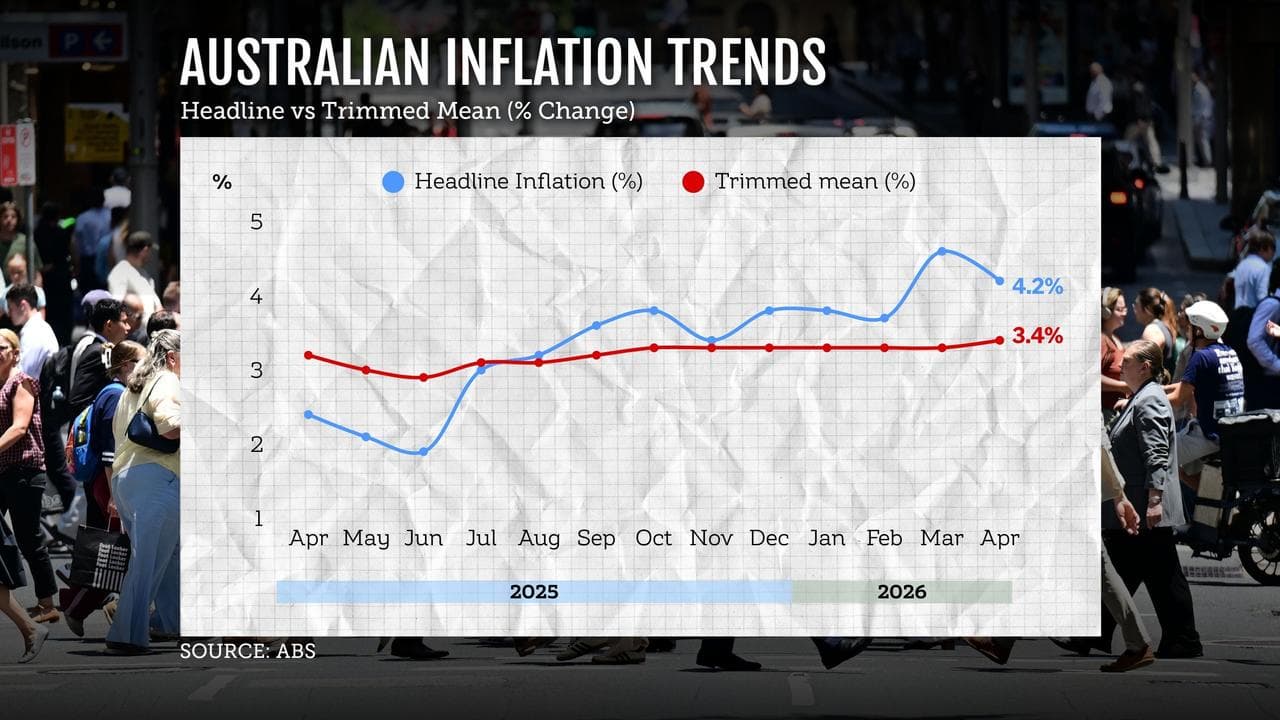
Australia's annual headline inflation rate fell to 4.2 per cent in April, from 4.6 per cent the previous month, according to the Australian Bureau of Statistics.
The outcome was weaker than the 4.4 per cent rise forecasters had been expecting.
At first blush, that seems like good news for the central bank's battle against inflation.
But the RBA board will be wary of reading too much into one month of data.
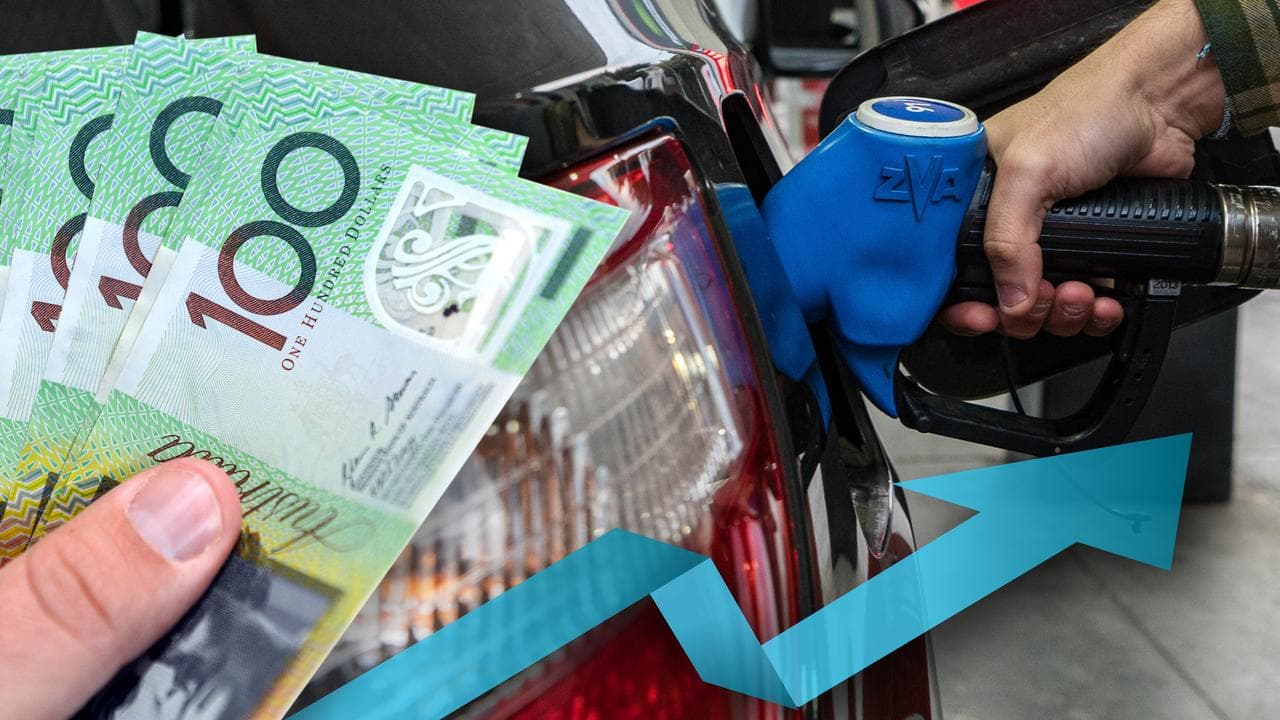
The slowdown was mainly driven by a temporary decline in fuel prices as a result of the government's fuel excise cut.
Fuel prices fell seven per cent in the space of one month after a near-33 per cent spike in March.
But fuel prices were still almost 24 per cent higher than before the Middle East conflict, ABS head of prices statistics Sue-Ellen Luke said.
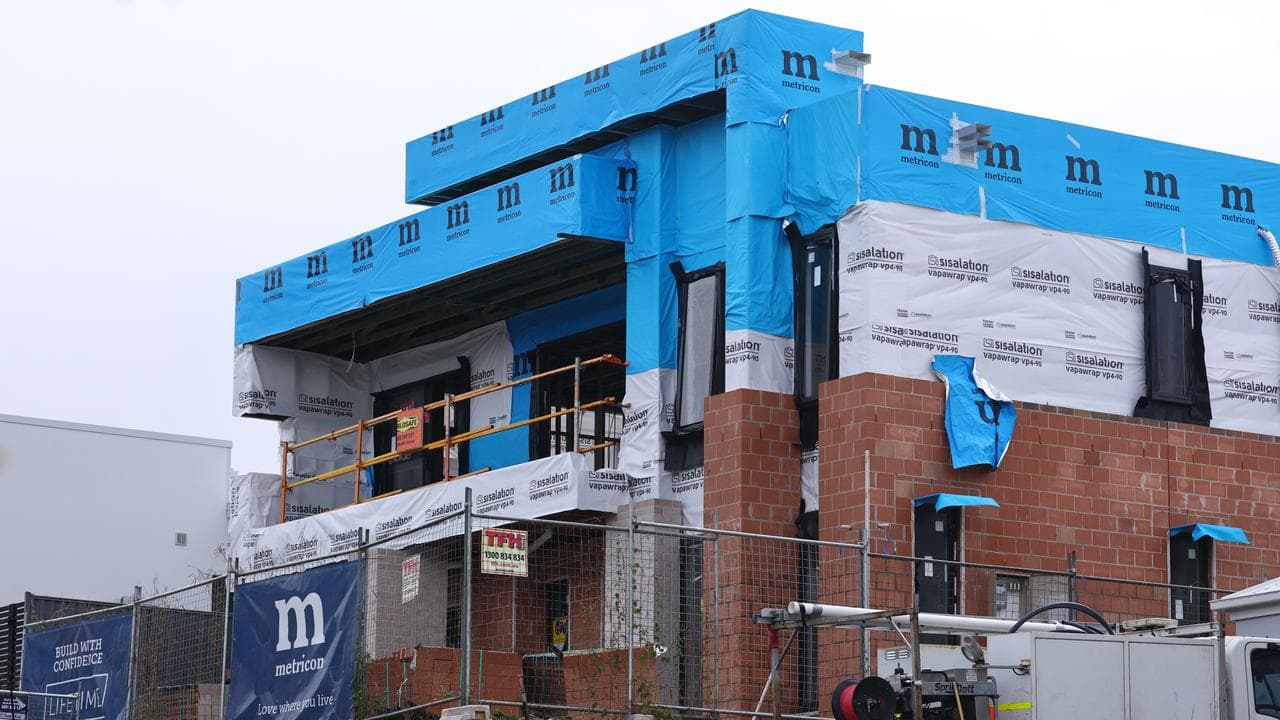
"The impact of higher oil prices has also been seen in products and services with high freight and logistics costs, such as parcel delivery and building materials," she said.
"This is reflected in price increases of 12.4 per cent for postal services and 4.7 per cent for new dwelling construction compared to 12 months ago."
As long as the Strait of Hormuz remains closed and supply chains continue to be impacted, the underlying impulse of price pressures - excluding the temporary easing in fuel prices - will continue to grow.
The trimmed mean, which omits volatile items and gives a better sense of the underlying pulse of price increases, edged up to 3.4 per cent, in line with the consensus of forecasters.
All up, the inflation data showed inflation pressures have eased but remain strong, Challenger chief economist Jonathan Kearns said.
"While the direct effect from higher oil prices has eased with the temporary reduction in the fuel excise and a small decline in the margins on refined fuel products, second-round effects from higher fuel prices will add to prices across the economy for months to come," he said.
"Without clear evidence of intensifying inflation pressures, it is likely the RBA will pause in June, with a further hike in August remaining possible."
The Reserve Bank board agreed its latest rate hike gave it more space to see how the Middle East conflict played out, according to minutes from its May meeting.
Citi analysts Josh Williamson and Faraz Syed estimated the trimmed mean was on track to hit 3.7 per cent by mid-year, below the RBA's 3.8 per cent forecast.
"So with two months of the quarter to go, the RBA has some more 'space'," they said.
Treasurer Jim Chalmers said it was a very welcome development for inflation to fall more than anticipated, but it remained a challenge for the economy.
"The fuel tax cuts are a really important part of putting downward pressure on inflation in the near term," he said.
"We're not ... expecting to extend it, but we keep it under review, really, from week to week."
Along with a jump in the unemployment rate in April, the softer-than-expected inflation data has caused markets to scale back bets for future interest rates.
Economists at all four big banks expect the RBA to stay on hold in June, but the door remains open to another rate rise beyond then.
The rates market was still expecting about 20 basis points of rate hikes by the end of 2026, but that was down from 30 basis points before the release.


