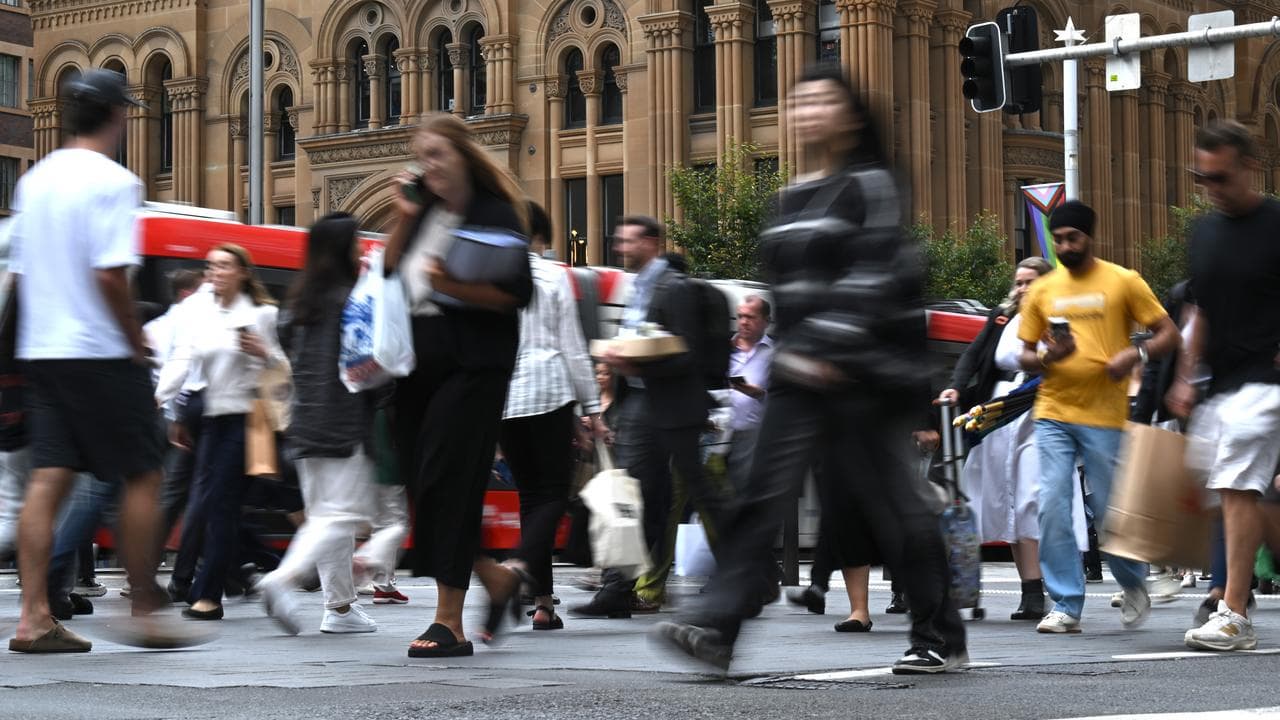
A messy jobs report will provide the Reserve Bank with little clarity as it tries to discern just how tight the labour market is.
The central bank is piecing together data to get a clearer picture of the economy for a crucial interest rate decision in February.
But in the first major economic indicator since RBA governor Michele Bullock rattled markets by revealing a rate increase was on the table in 2026, the Australian Bureau of Statistics pulled a wildcard.
Labour force figures on Thursday revealed Australia's unemployment rate held steady at 4.3 per cent in November, below economists' expectations.
While that suggests ongoing tightness in the labour market, an unexpected fall in employment of 21,300 jobs - defying consensus expectations for an increase of 20,000 jobs - suggested the jobs market was softening.
Belinda Allen, Commonwealth Bank's head of Australian economics, said the survey contained several volatile components that could produce strange results.
The fall in employment came after an unexpectedly sharp rise of 41,000 jobs in October.
Taken together, it extended the trend of about 21,000 jobs added to the economy each month, suggesting the jobs market was stabilising.
A resurgence in inflation, stubbornly high unit labour costs and firms operating at maximum capacity were strong arguments that there was still too much demand in Australia's labour market, Ms Allen said.
"The labour market has been very gradually loosening through 2025. But the RBA still views the labour market in totality as a bit too tight to bring inflation back to target," she said.
"Looking through some of the noise, there is nothing in today’s release to dissuade them from this view."
The number of unemployed people fell by about 2000, which partly offset the decline in employed people, but still resulted in the participation rate dropping by 0.2 percentage points to 66.7 per cent, ABS head of labour statistics Sean Crick said.
"The number of employed people has risen 1.3 per cent over the past 12 months, which is weaker than the two per cent growth in population," he said.
Full-time employment fell by 57,000 people, partly offset by a 35,000 rise in part-time employment.
The result raises the risk unemployment will undershoot the forecasts of the RBA, which predicted the unemployment rate to rise to 4.4 per cent by the end of 2025 and stay there for two years.
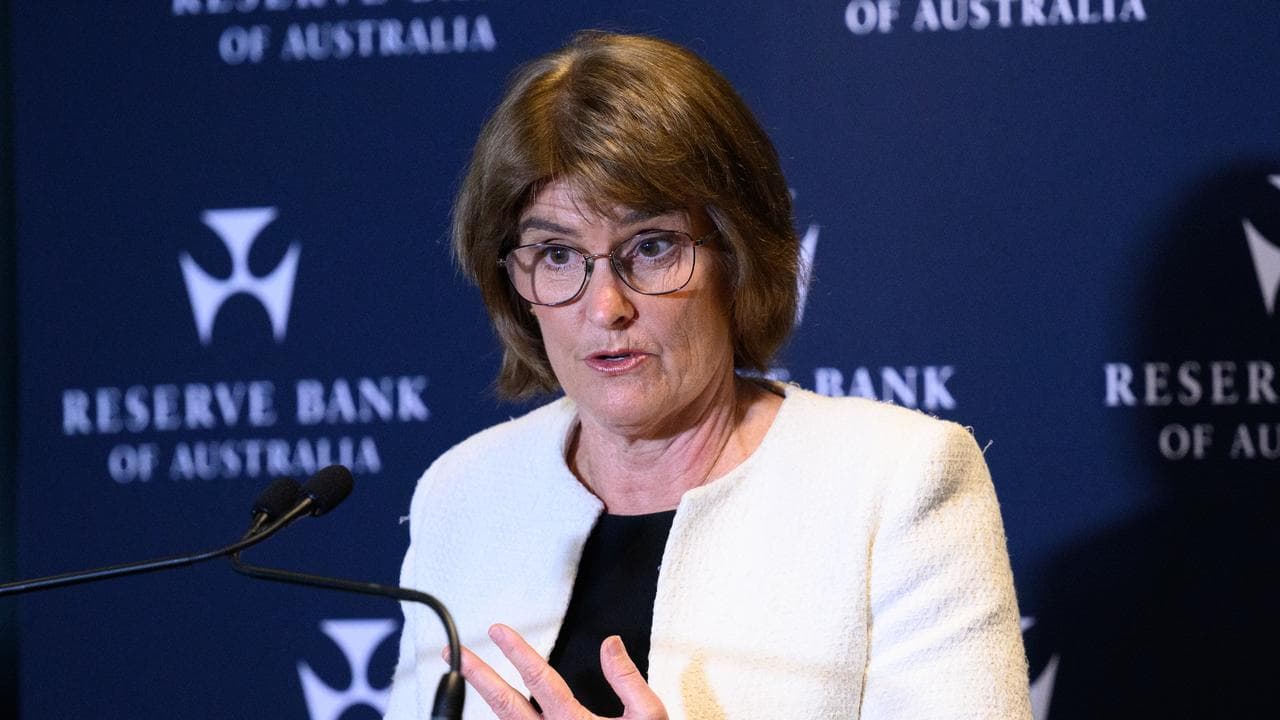
Speaking to media after the RBA's monetary policy board held the cash rate at 3.6 per cent on Tuesday, Ms Bullock said the board would have to consider raising rates in February, if inflation and jobs data suggested financial conditions were not tight enough.
Ms Bullock said the RBA still believed labour market conditions were a little tight, with unemployment at a relatively low 4.3 per cent and measures of labour under-utilisation subdued.
The under-utilisation rate rose 0.4 percentage points to 10.5 per cent, the highest level since August 2024.
Earlier on Thursday, Commonwealth Bank revealed consumption rose a brisk 0.5 per cent for November.
The data, included in CBA's monthly Household Spending Insights, provides an early taste of what the Australian Bureau of Statistics' official household spending figures are likely to show when they are released in January.
Households, buoyed by stronger disposable incomes, have spent big on discretionary items, with ABS figures showing an unexpectedly strong 1.3 per cent rise in spending in October.
Recreational spending jumped 1.6 per cent as punters went out to AC/DC, Oasis and Metallica concerts, the Ashes cricket, and the movie Wicked: For Good.


