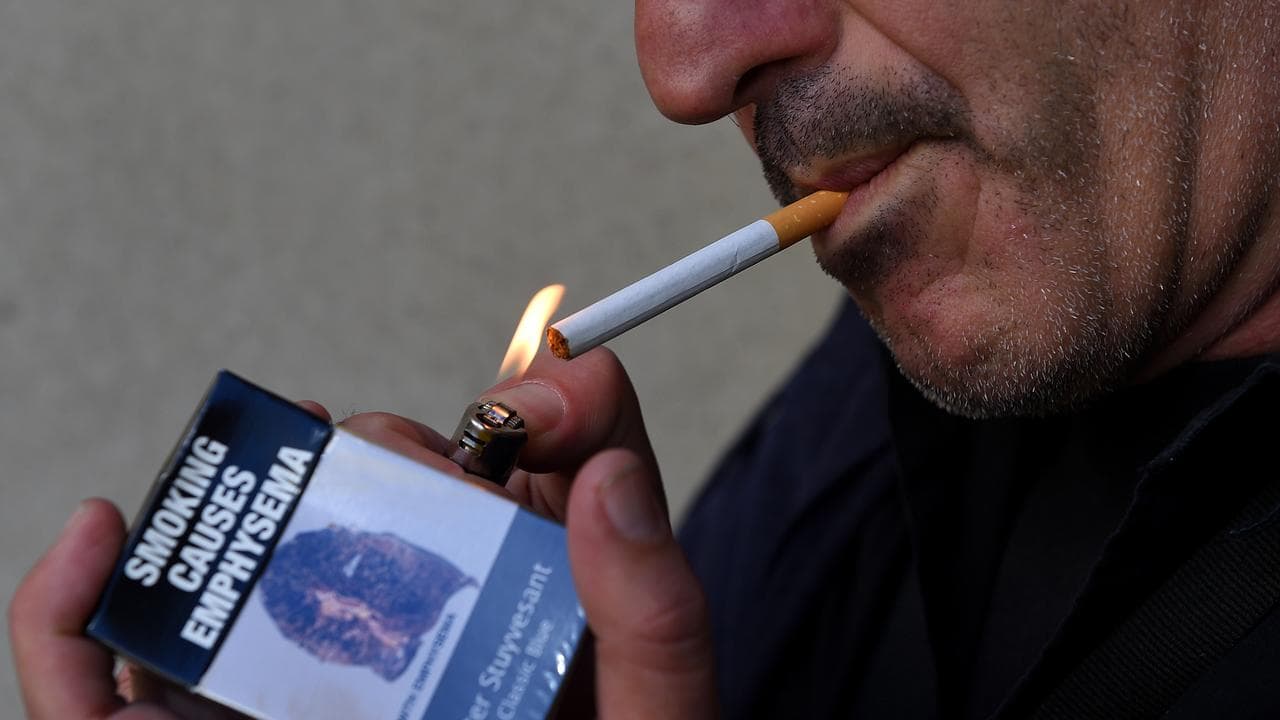
Legal cigarette sales have soared in Queensland after a crackdown on black market trade, while calls to Quitline more than doubled, further incentivising the federal government's approach to illicit tobacco.
The state's sales rose by 55 per cent in the first month after new enforcement laws took effect in November and remained at least 40 per cent above previous levels for the next six months, data supplied by major retailers to the Illicit Tobacco and E-cigarette Commissioner shows.
Nationally, the market remained almost flat across the same time period.
The government has continued to reject calls to dramatically reduce the tobacco excise, instead favouring crackdowns on illegal trade, which could include jail time for retailers.
"We can not overstate the emphasis on shutting down retail premises that are blatantly selling illegal products in high streets," Assistant Minister for Customs Julian Hill told AAP.
The Commonwealth does not have the power to shut down illegal shops, but states do, and Mr Hill said it was vital they considered the data.
Not everyone agrees with the approach: the coalition vowed to slash the tobacco excise by 80 per cent if elected, dropping the average price of cigarettes from between $50 and $40, to roughly $16 to $26.
Opposition leader Angus Taylor said the major cut would take the oxygen from the now-thriving black market, which he called "economic terrorism".
“Our strong plan will attack the gangs where it hurts by taking away their massive price advantage, taking away their customers, and taking away their profits," he said in September.
One Nation would slash the tax by 75 per cent and freeze indexation for five years.
NSW Labor Premier Chris Minns sided with the coalition last month in suggesting an excise cut.

The federal government has also been accused by its counterparts and economists in the past of cherry-picking the data it uses to tout a tobacco crackdown.
Mr Hill will now peddle the Queensland enforcement statistics, which are a new measurement, in a bid to get those across the chamber, over the line.
"They (the coalition) are in some crazy bidding war with One Nation about this," Mr Hill said.
"They will be paying people to smoke next week. It doesn't make much sense because even if you wiped out all of the excise, the illegal products would still be cheaper, and then you have to go after criminal syndicates," he said.
Queensland-based calls to Quitline, a national hotline for smokers trying to quit, more than doubled in the days following large enforcement operations, which Mr Hill said indicated the crackdown was causing some smokers to quit.
"This is a really positive byproduct of strong enforcement at the retail level," Mr Hill said.
"We know that most Australians who smoke want to quit. It's a powerful addiction."
Queensland Health has issued more than 300 closure orders since November last year, which has contributed to more than 1000 illicit tobacco shops being closed across the country.
It is using licensing regimes, landlord penalties and resourcing for street-level enforcement to target illegal retailers.


