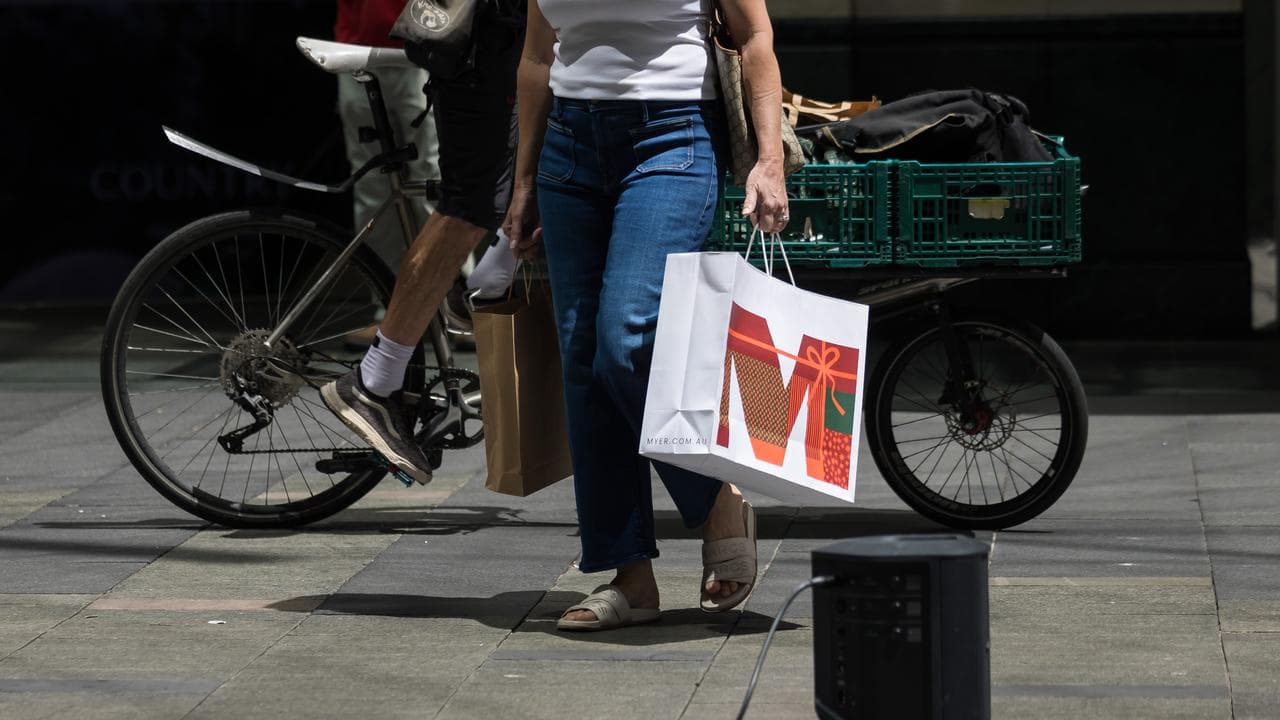
Business owners in Victoria are facing the worst trading conditions in the country ahead of an election expected to turf out the state's long-serving Labor government.
NAB's monthly business survey, released on Tuesday, showed business conditions in Victoria fell to negative six points in October.
That's the lowest of any state and below the national level of minus one.
Higher interest rates and stubborn cost pressures have weighed on conditions and confidence across the country, but the uncertainty surrounding the upcoming state election might be further impacting sentiment, NAB senior economist Gareth Spence said.
"Victoria will be quite interesting in coming months as we roll through the election," he told AAP.
"The forces that are flowing through all of those states are pretty broad-based at the moment."
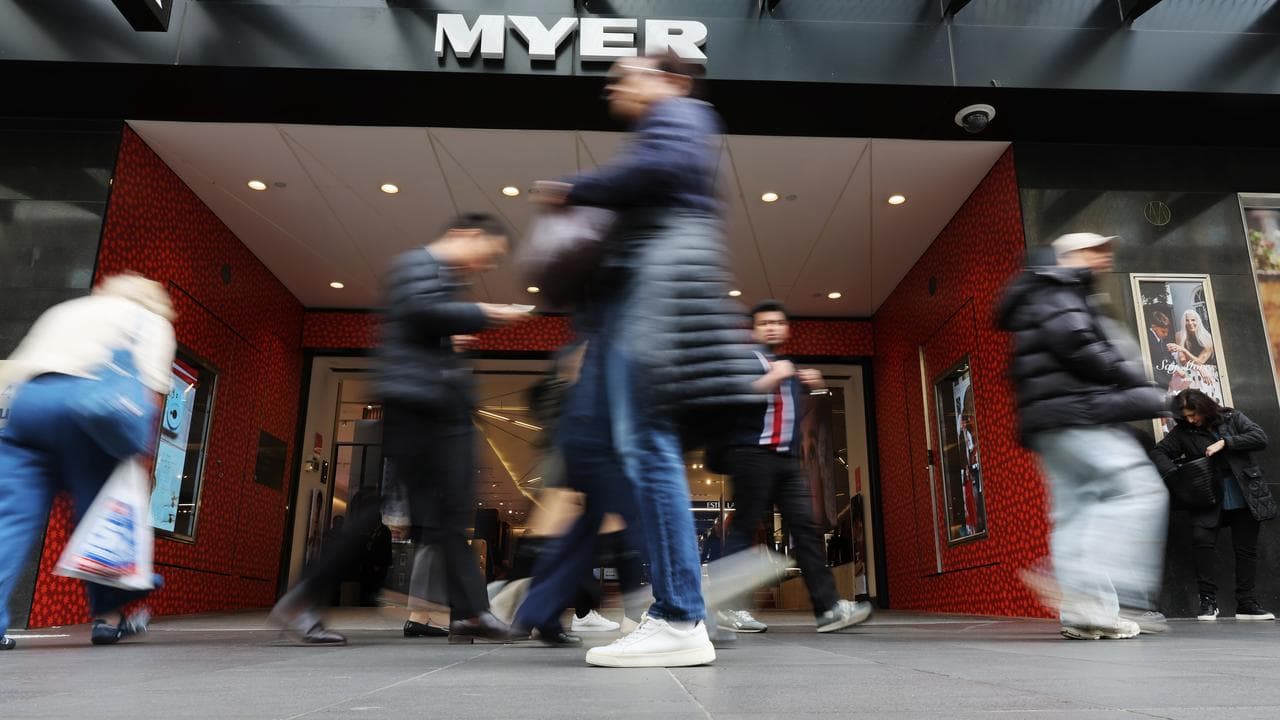
Fuel and cost pressures out of the Middle East were coming through worse than expected earlier in the year, Mr Spence said.
Although fuel prices might be out of Labor's control, the coalition has latched onto cost-of-living grumbles to attack governments at state and federal levels.
Support for the Carroll government in Victoria crashed seven points to 18 per cent according to fresh polling by DemosAU/PremierNational.
Federally, Opposition Leader Angus Taylor has emphasised a growing rift between the Albanese government and the business community, after changes to taxation of trusts and a ban on card surcharging.
Recent polls have shown his popularity at the highest level since he replaced Sussan Ley as Liberal leader in February.
"We are seeing right now, under Labor, 46 failures of small businesses every single day," Mr Taylor told reporters in Melbourne.
"Businesses that just can't make ends meet anymore because power costs are up, the cost of doing business rises, customers are not able to fork out and pay for the services and goods that they've been paying for in the past."
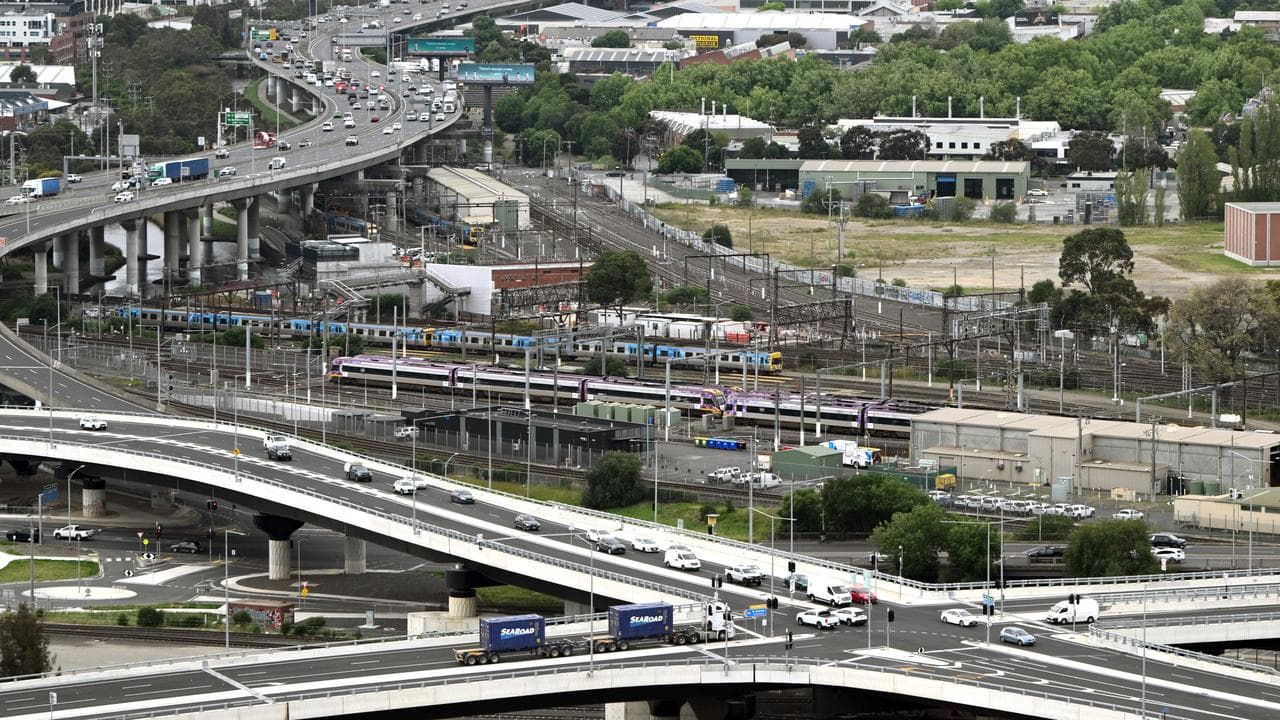
Activity metrics were softening the most for consumer-facing sectors, such as retail and recreation, Mr Spence said.
Consumer spending has been relatively resilient, despite tumbling sentiment.
Whether it holds up as the retail sector heads into the crucial holiday sales period will be a key watch, Mr Spence said.
Consumer confidence also declined 2.7 per cent to a four-year low in Westpac and the Melbourne Institute's household index.
"The last month has seen petrol prices push towards $2.40 a litre, official inflation measures hit 4.3 per cent and the RBA raise the cash rate by another 25 basis points to 4.85 per cent - an 18-year high," Westpac’s head of Australian macro-forecasting Matthew Hassan said
Mortgage-holder sentiment was the hardest hit, falling 11.6 per cent in November.


