Interest rates are on the way up in New Zealand for the first time in more than three years, with the next hike a question of when rather than if.
The Reserve Bank of New Zealand raised the official cash rate to 2.5 per cent from 2.25 per cent, where it had been since November 2025.
Anticipated by most economists and money markets, the unanimous decision on Wednesday is the central bank's first rate rise since May 2023.
With the economic outlook a touch more rosy than at the outbreak of the Middle East conflict, the RBNZ had more leeway to tackle inflation by raising rates without worrying about the negative impact on growth.
Although the Middle East conflict is expected to hit growth in the June quarter, New Zealand's gross domestic product had been strengthening after contracting 1.1 per cent in the 12 months to June 2025.
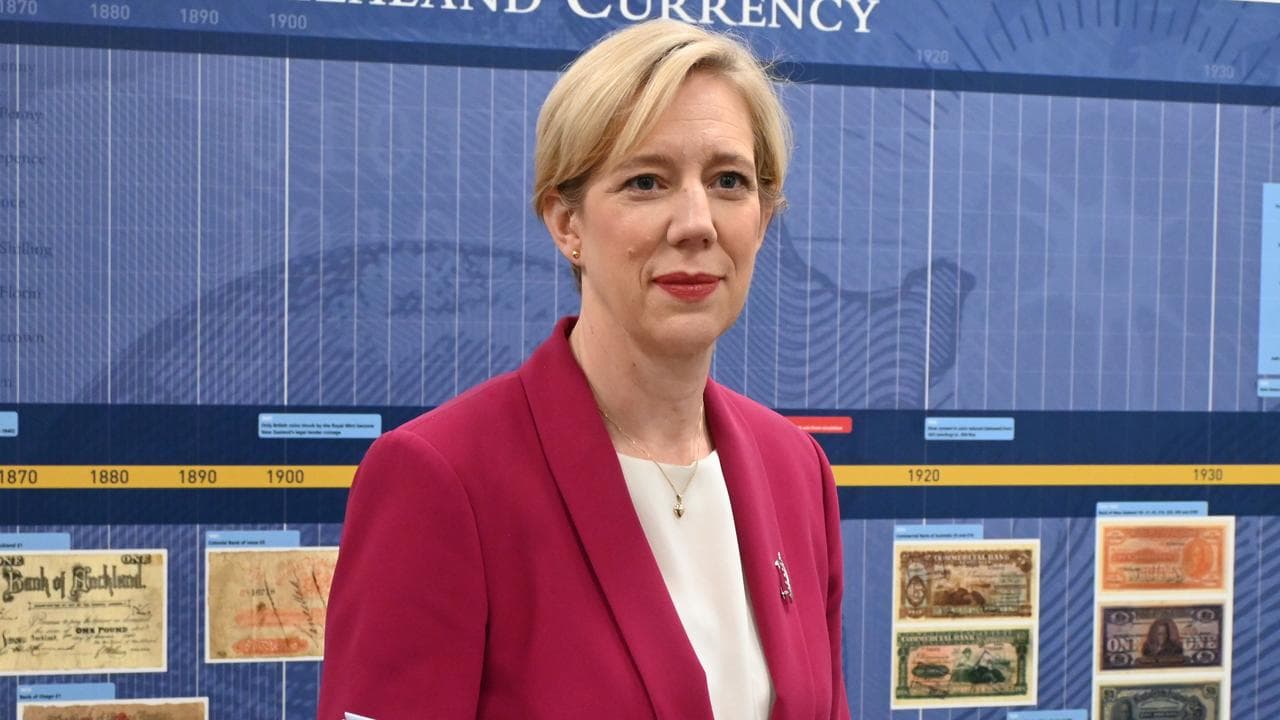
Governor Anna Breman said the fall in the price of oil in recent weeks and an official cash rate still in stimulatory territory would support economic growth to accelerate through the second half of the year.
While the inflation outlook had eased thanks to the fall in the oil price, headline inflation remained above the RBNZ's target range at 3.1 per cent in March, she said.
The bank revised down its inflation forecast, with price growth projected to have peaked at 3.9 per cent in the June quarter.
The move higher follows a split decision at the bank's last meeting in May, when Dr Breman used her casting vote to keep the cash rate on hold.
While unemployment remains relatively high at 5.3 per cent and the oil supply shock could further weaken the labour market, the threat of rising inflation convinced the RBNZ monetary policy committee to move the official cash rate to a less stimulatory position.
"The committee agreed that it was appropriate to start reducing the degree of monetary stimulus to ensure that inflation returns to target over the medium term," it said in a statement.
"The committee noted that financial conditions had eased in recent weeks."
While global oil, gas and fertiliser prices had declined since the outbreak of the Iran war in February, it would take time for supply chains to adjust and inflationary pressures remained elevated, the committee said.
Dr Breman foreshadowed more hikes in the future, but did not specify when.
"The committee agreed that some further reduction in monetary stimulus is likely, but the timing is uncertain," she told reporters.
"Future OCR decisions will depend on how incoming data, price-setting behaviour and the strength of economic activity affect medium-term inflationary pressures."
ANZ New Zealand chief economist Sharon Zollner said there was little urgency in the bank's forward guidance, keeping the future path for rates relatively vague.
"For our part, we are optimistic that the economy will get back on track before long," she said.
"While our OCR forecast of three hikes in quick succession is unchanged since the peak of the oil price shock, the underlying story is now a much more cheerful one!
"We think the RBNZ will continue to hike the OCR because the economy doesn’t need stimulatory monetary policy any longer."
ANZ expects the cash rate to hit three per cent in 2026, which would put it around the long-range assumption of neutral - meaning it is neither pushing up nor pressing down inflation.
But given inflation and inflation expectations were elevated, the short-run neutral cash rate was probably higher than the long-range assumption, RBNZ chief economist Paul Conway said.


