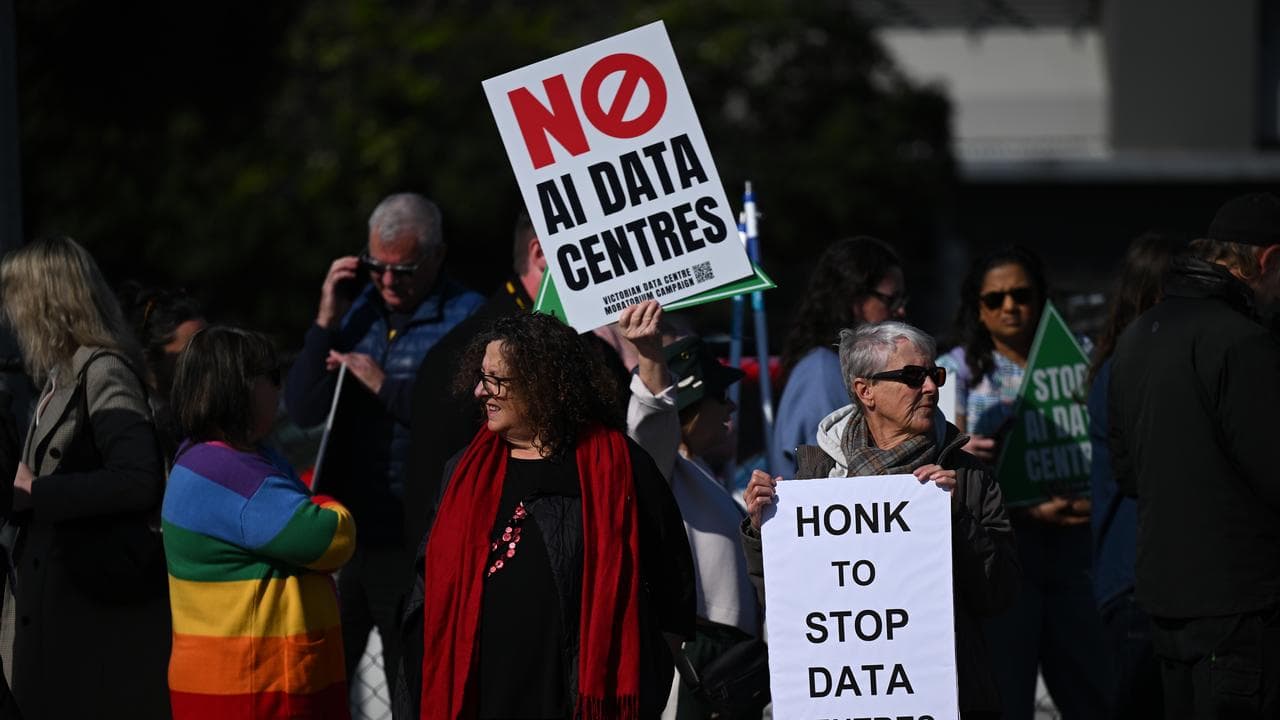
In Melbourne's outer suburbs, residents fear Australia's democracy and sovereignty is at threat.
Not from a hostile foreign power or terrorist cell, but from companies trying to build warehouses full of server racks to run and train artificial intelligence models.
Data centres have become pivotal to Australia's economy, contributing a significant share of business investment and underpinning the AI revolution the federal government hopes will revitalise stagnant productivity growth.
But to the people of Plumpton, 30km northwest of Melbourne's CBD, data centres are noisy, noisome and unwanted.
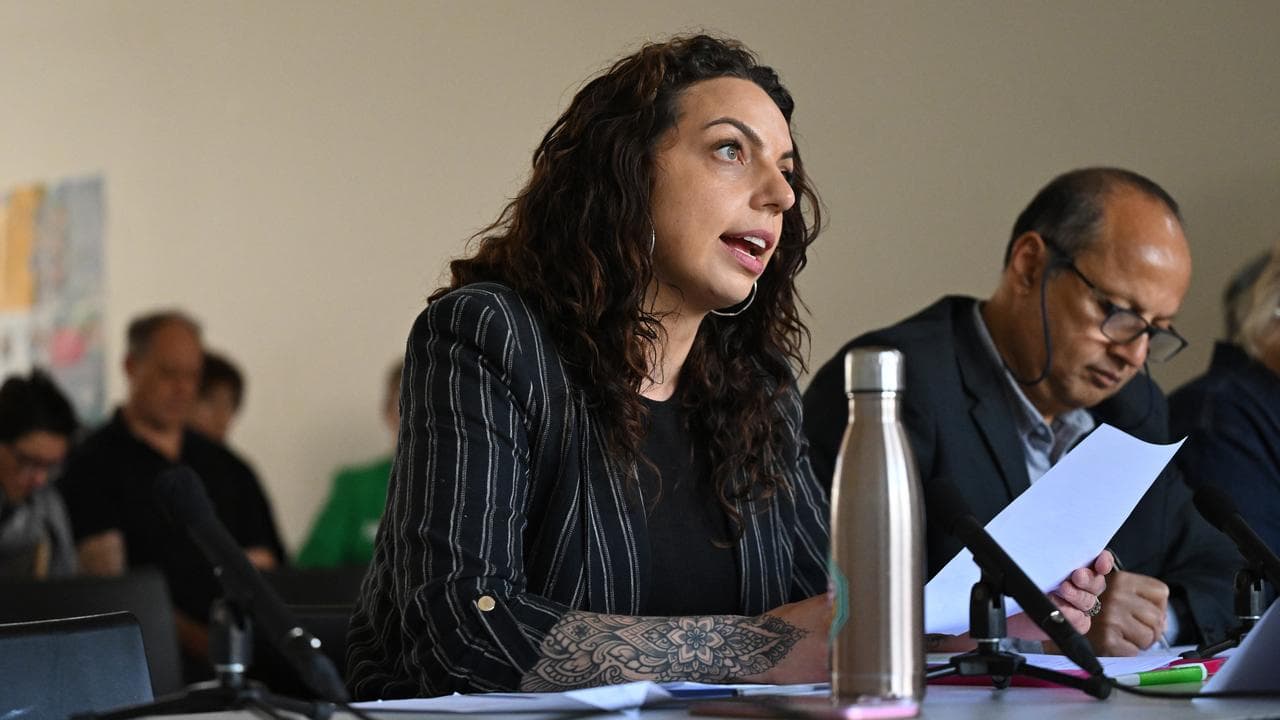
They consume a lot of power and water, they pose a fire risk, they take up land that could be used for green space or housing, and they could have negative effects for property values, the Plumpton Action Group said.
But the concern extended beyond the immediate impact of the buildings to what they facilitated, spokeswoman Samantha Demjancuk told a parliamentary committee hearing on Wednesday.
"We think there is no control of the collection and use of data," she said.
"We have concerns about the private appropriation of human achievements, threats to our democracy and sovereignty."
Melbourne community groups told the inquiry that a moratorium on data centre approvals needed to be imposed until national standards are established, echoing calls from Sydney groups the day before.
The specific proposal that has brought the data centre wars to the satellite suburb is a 2.4GW, 350-hectare AI hub planned by developer Syncline Energy.
The Plumpton hub's maximum energy needs would exceed the generation capacity of Loy Yang A, Victoria's largest coal plant.
Recently announced national standards requiring data centres to bring more new energy than they use may not apply to the project, depending on whether it receives final approval before the laws come into effect, with the federal government setting a target of early 2027.
The company was still in discussions with energy providers about power-purchasing agreements, but the site's energy mix would be three quarters new renewables projects and one quarter from the grid, said managing director Philip Galloway.
Syncline had already changed its plans in response to community feedback, including abandoning hopes for a gas condenser on-site to provide power during wind droughts.
But some of the feedback was not valid, he said.
"If what was being delivered looked like what was being described, then frankly, I'd join the protests. I'd stop it," Mr Galloway said.
The nearest home to the project would be 400m away, separated by a hill and green space.
Planning restrictions also mean the site can't be used for new housing, as it sits under a flight path for Melbourne airport.
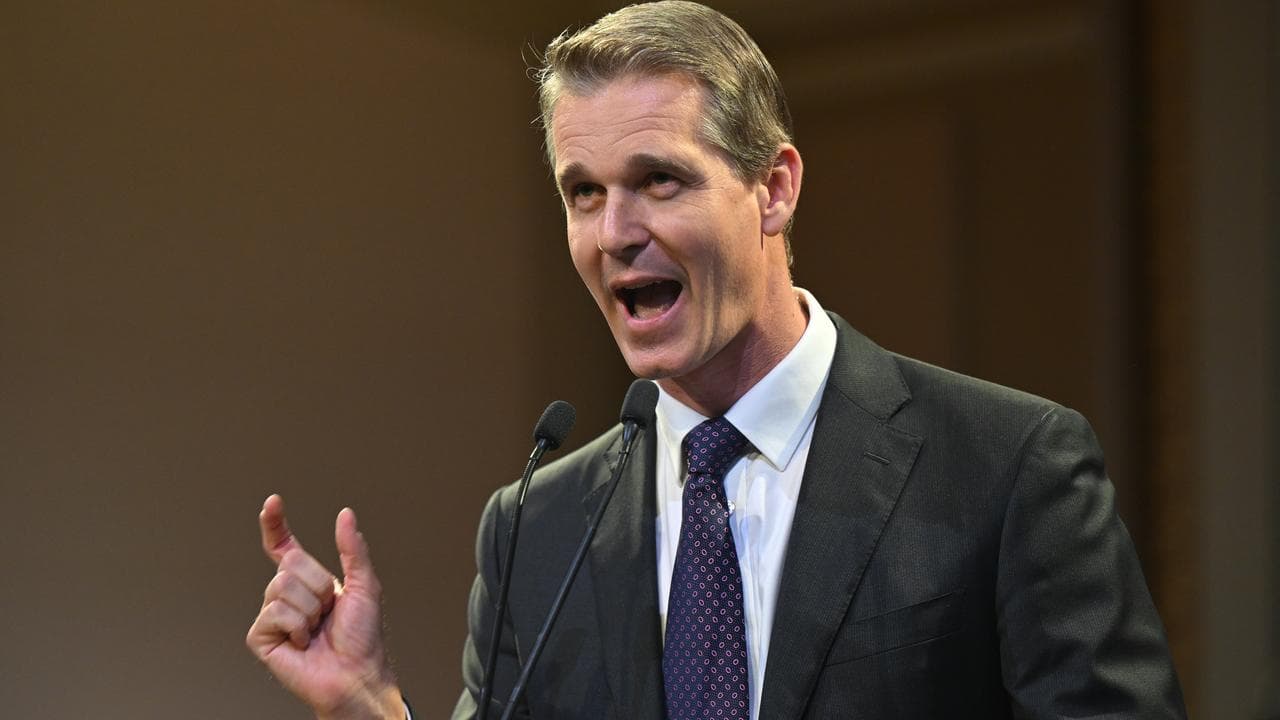
Mr Galloway conceded the company had done a bad job explaining the project to the community, and needed to ensure residents received genuine benefits from it, such as cheaper energy.
Federal Assistant Minister for Technology Andrew Charlton said data centres could support grid stability and be a positive influence on household energy bills.
But opposition energy spokesman Dan Tehan said requiring data centres to source their power from wind and solar would drive investment offshore.


