
A key advisor to a state premier has thwarted attempts to force him to testify before a parliamentary committee in a decision that will have wide ramifications.
Under a 1901 NSW law, Australia's oldest parliament has compelled individuals to give evidence at parliamentary committees by issuing arrest warrants if they don't attend or impose punishments if they refuse to answer.
But the validity of that law was called into question when a committee demanded the appearance of Premier Chris Minns' chief-of-staff James Cullen in October.
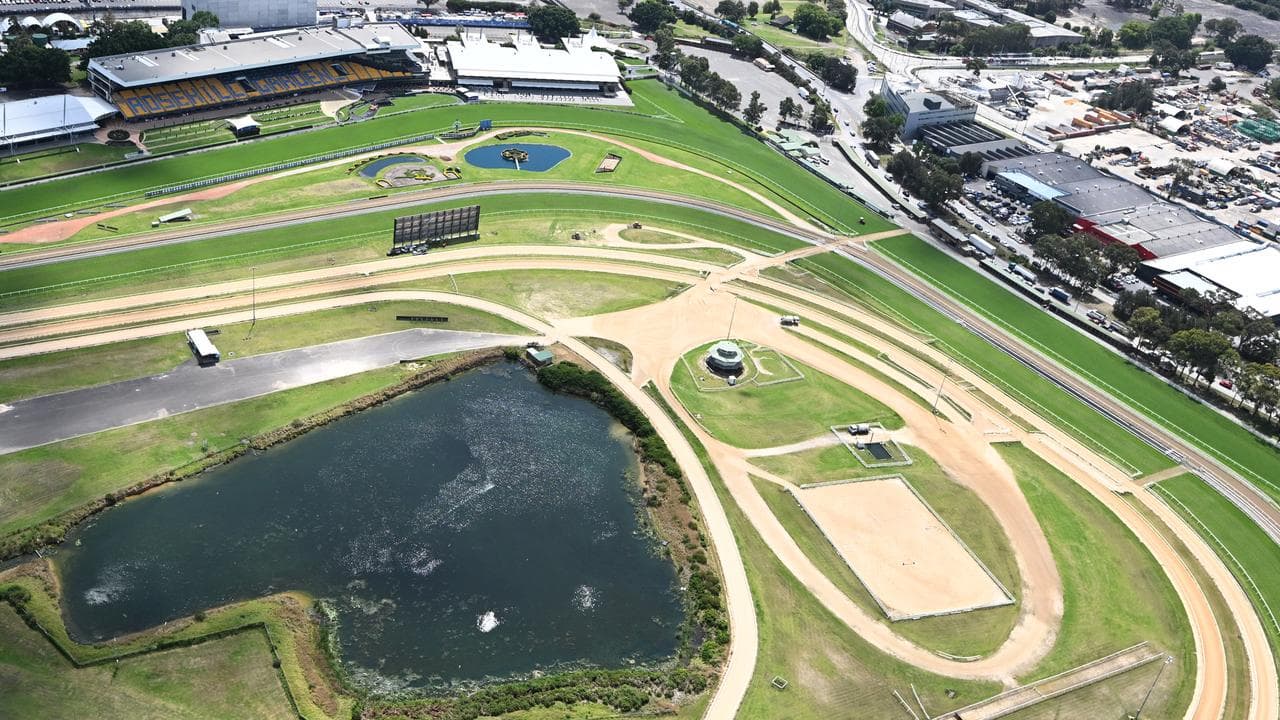
The upper-house committee had sought his evidence about leaked documents related to an inquiry into the aborted sale of the Rosehill Racecourse, which the premier hoped to turn into housing.

After Mr Minns said he was not involved in the leak, Mr Cullen was summonsed - and then had a warrant for his arrest issued after he refused to appear.
But the state's highest court dismissed the summons on Tuesday.
The Court of Appeal ruled the long-held sections of the law compelling witnesses to testify were invalid in a decision that will have wide-reaching ramifications for the parliament's operation.
The Parliamentary Evidence Act required a judge to issue the warrant if told to do so by the upper-house president or lower-house speaker.
A judicial officer would effectively be lending their authority to the decisions of the parliamentary presiding officers "for the indefinite detention of a person", the appeal court noted.
"In no other Australian jurisdiction is a judge involved in this function," it said.
The decision leaves all parliamentary committees reliant on witnesses appearing voluntarily until further notice.
"“This is a comprehensive win for democracy and the integrity of the courts," Mr Cullen said after the decision.
He and other key staff in the premier's office responded reluctantly to a summons from another committee in June after being threatened with arrest.
That inquiry was examining the swift introduction of laws in February after the discovery of a caravan on Sydney's outskirts packed with explosives and a list of Jewish sites.
Mr Minns described the inquiry as "close to a kangaroo court" after the arrest threat.
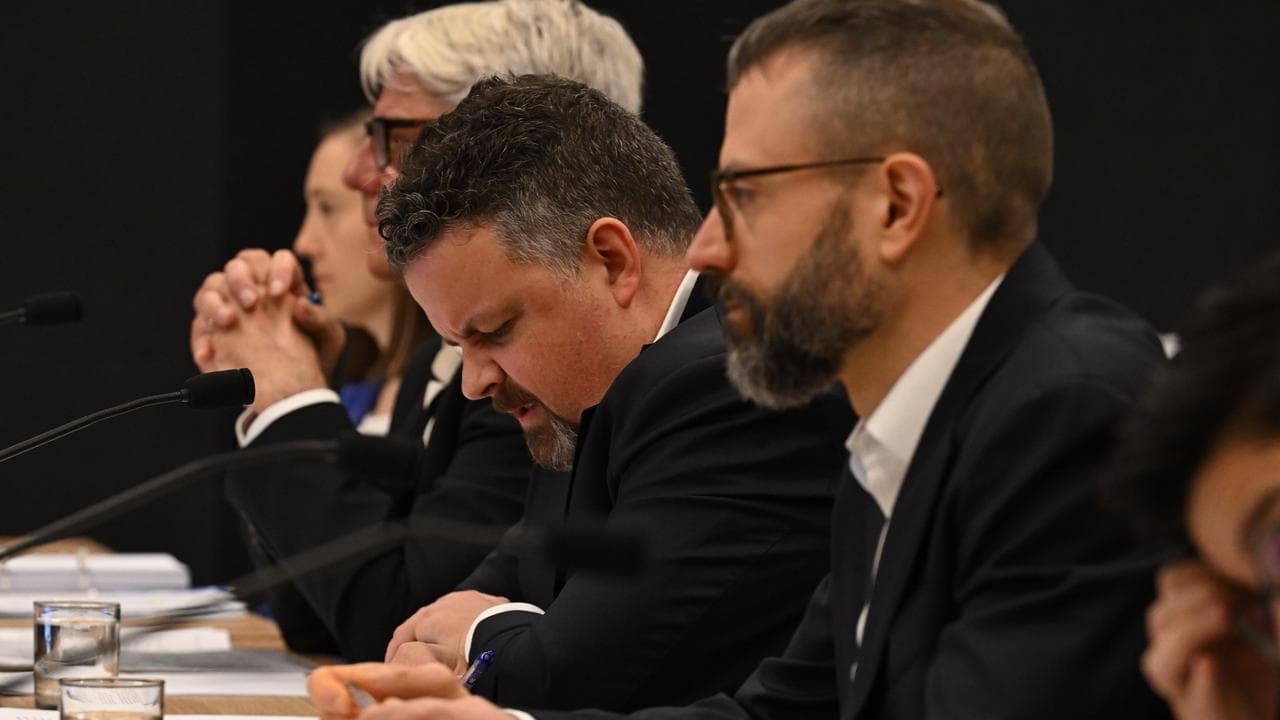
A second summons of Mr Cullen in October triggered the legal challenge.
The chief-of-staff's barrister argued the federation-era law did not allow for separation between executive and judicial branches because a court could not properly scrutinise an arrest warrant before signing off on it.
Instead, the judge would simply be given a certificate stating the proposed witness did not attend the committee and had no reasonable excuse without providing further details.
Defending the summons, upper-house president Ben Franklin rejected claims judges could be seen as puppets of the government.
Having a judge sign off on the warrant was in line with the constitution which prevented parliamentary debate or proceedings from being questioned or impeached in court or public, his lawyer argued in a hearing in early December.


