Non-fatal strangulation is increasingly being reported to sexual assault crisis lines, but support for victim-survivors is "grinding to a halt" due to health protocols.
The issue was raised on Thursday at the International Freedom From Sexual Violence Summit in Melbourne, where experts, researchers, service providers, advocates and policymakers gathered to discuss a wide range of topics.
The three-day conference comes as discussion grows over prevalence of non-fatal strangulation, tech-based abuse, and pornography's impact on children and young people.
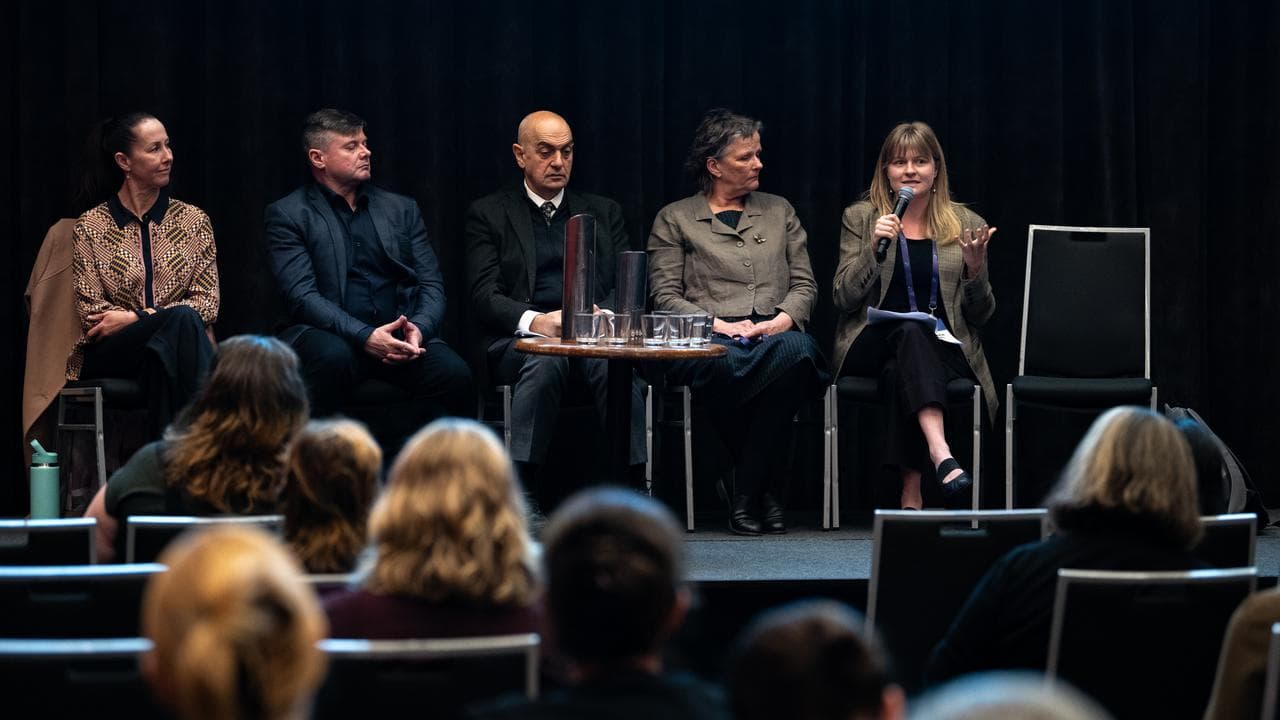
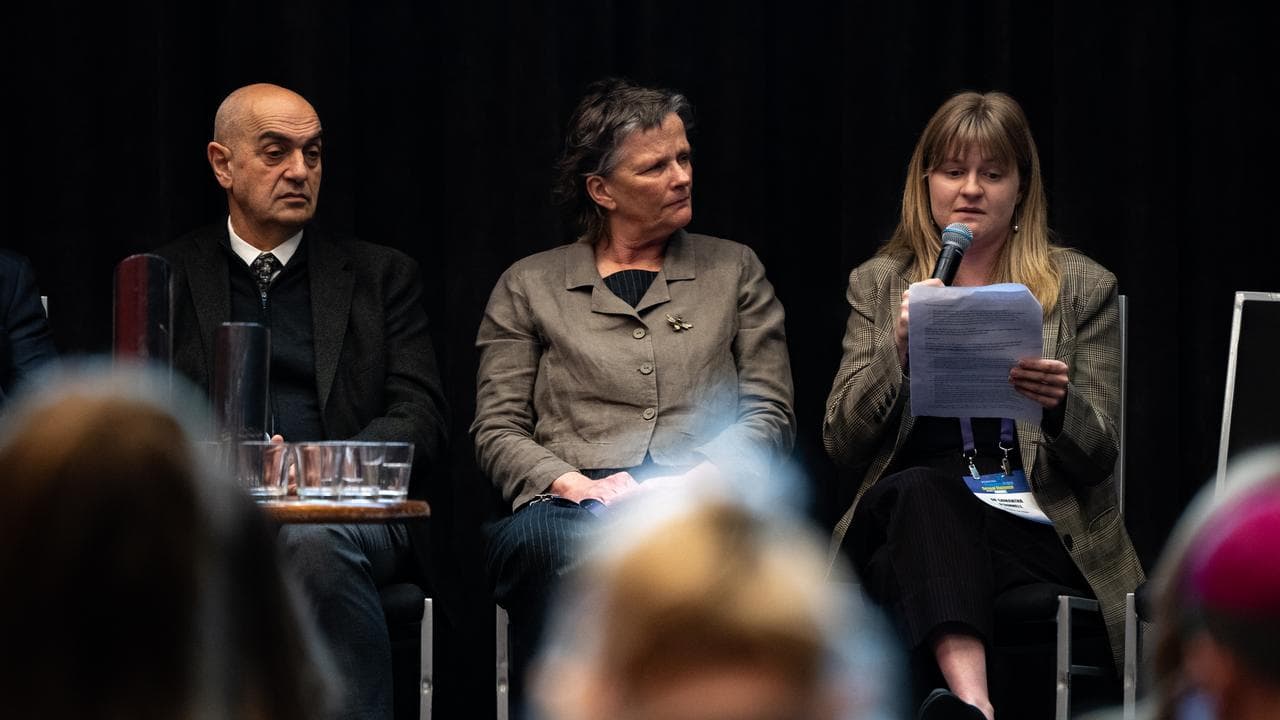
During a session on sexual strangulation, Victorian after hours crisis service the Sexual Assault Crisis Line (SACL), shared information about the rising number of non-fatal strangulation reports.
Between October 2023 and September 2024, the crisis line had a 64 per cent increase in non-fatal strangulation reports, and from October 2025 to September this year there was another 28 per cent increase.
This could be due to increased awareness, prevalence and screening as it had started asking specifically about non-fatal strangulation.
"We realised that we had to change how we worked to actually ask: is this part of your experience?" SACL counsellor Be Bannerman said.
"People aren't being asked the question, and they're not disclosing because they're not necessarily connecting it."
They also noticed that victim-survivors were waiting to be medically cleared by a hospital or doctor after experiencing non-fatal strangulation before they could speak to a Centre Against Sexual Assault (CASA) counsellor.
"We've got this issue at the moment, particularly around the resourcing and the capacity to respond," Be Bannerman said.
"It's been grinding to a halt for a significant number of people, and so they're leaving the hospital without seeing anybody medically, they're not getting any CASA follow up.
"This is a huge gap, and it's only going to grow."
An informed consent model could be used to allow victim-survivors the choice of a counsellor and then get medically assessed if required, they said.
The influence of porn in the normalisation of sexual strangulation by pornography was also discussed, and how different laws in each state mean that prosecution was not consistent.
In another session, Sexual Assault Services Victoria executive assistant Rae Schmidt discussed calls from victim-survivors for a Sexual Violence Right to Review panel, which it is asking Victorian election candidates to commit to.
It would allow victim-survivors to request an independent review when police or prosecutors decide to drop or not pursue sexual offence charges, and lead to more offence reporting.
"When victim survivors are actually involved in shaping priorities, the solutions that emerge are more responsive, effective, and grounded in real work experience," she said.
Older women's experiences of sexual violence were being under-reported due to distrust in institutions, disconnect between police and the aged care commissioner, and also service-providers, another session was told.
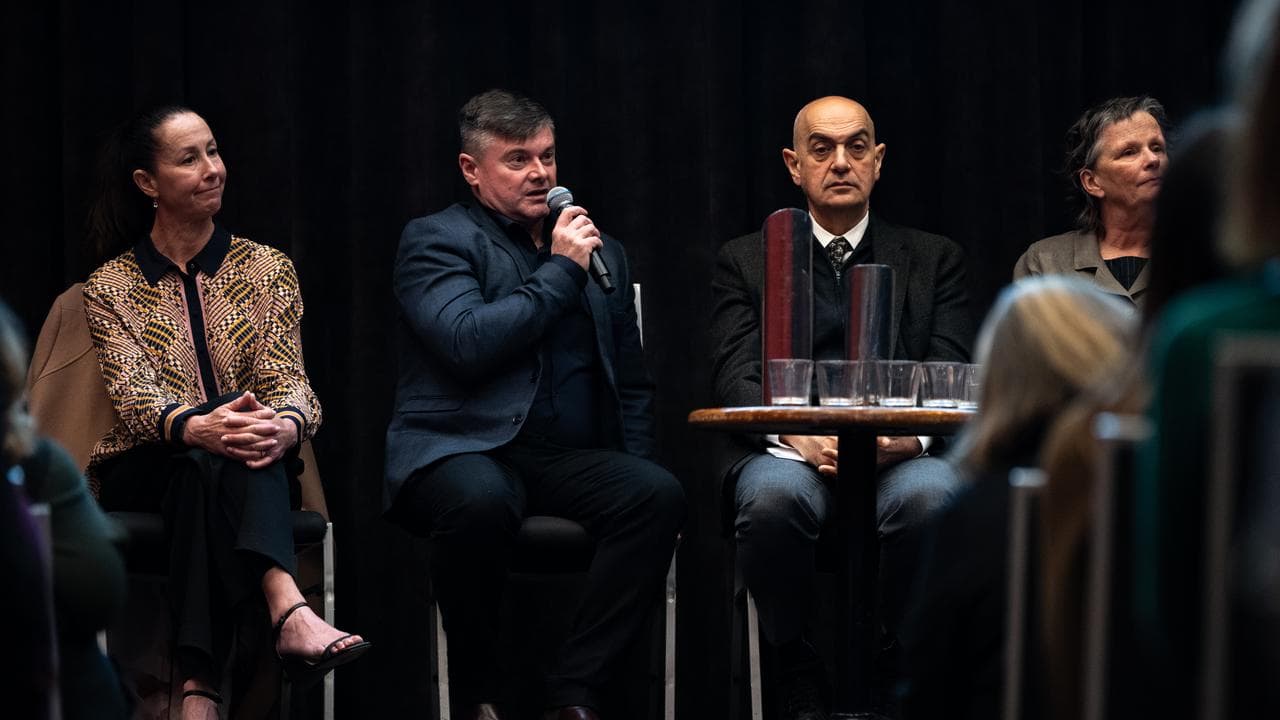
Victoria Police portfolio manager for seniors Christopher Lee said the serious incident response team was working with the Aged Care Quality and Safety Commission on increasing reports of unlawful sexual contact.
"Our question to the Commonwealth and to to the Victorian government ... is why aren't you escalating and forwarding these reports to police?" he said.
"This is a really important issue that we want to tackle. But we can't do that if we are not receiving the reports in the first place."
University of Melbourne researcher Samantha O'Donnell said older women felt shame and embarrassment when disclosing to younger people working for service providers.
"I think we can really see there the gendered ageism that's coming through, even in how older women are representing their own experiences," she said.
1800 RESPECT (1800 737 732)
National Sexual Abuse and Redress Support Service 1800 211 028
Lifeline 13 11 14
Fullstop Australia 1800 385 578


