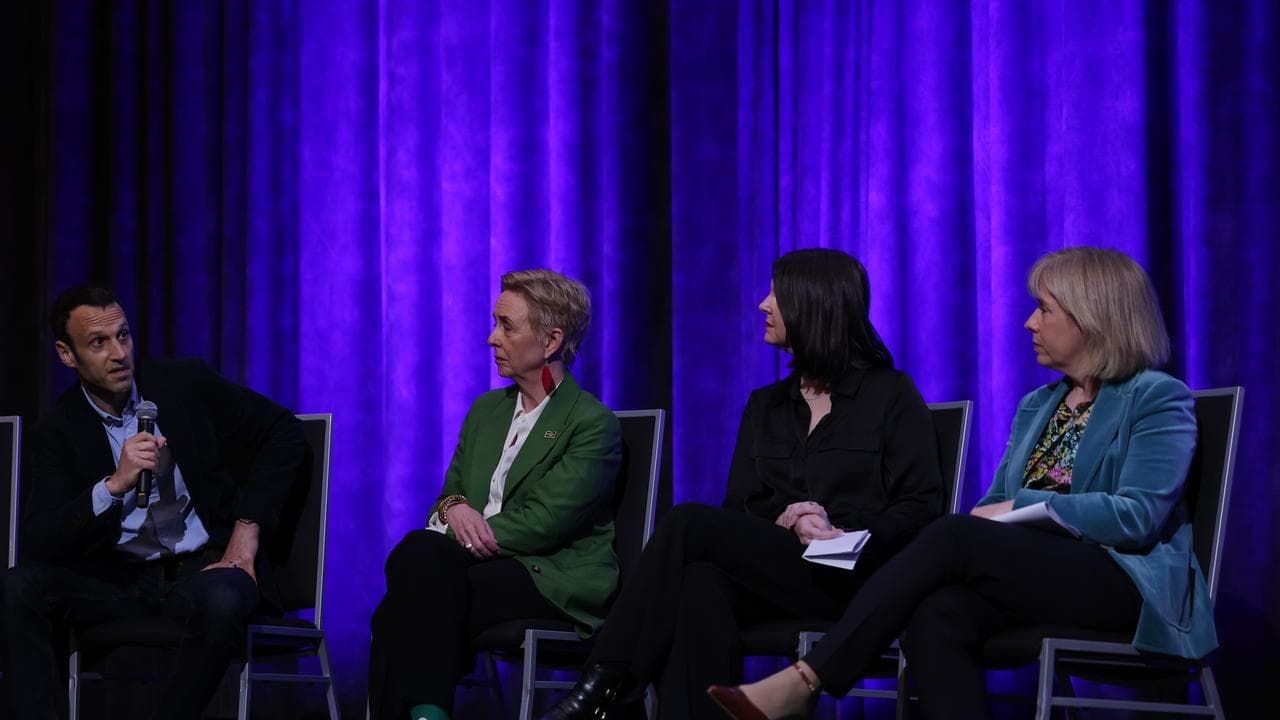
When family, health, education and justice systems aren't able to work collaboratively, it only harms victim-survivors of sexual violence further.
Greater coordination is needed across systems, states and territories to provide sexual safety for children and women, a sexual violence summit has been told.
Regulators and commissioners addressed the International Freedom from Sexual Violence Summit on Friday, as it wrapped up in Melbourne after three days, hearing from victim-survivors, researchers, advocates, experts and service providers.
"What I've heard in just about every presentation across this conference, and from all of you all the time, is the need for greater coordination and collaboration across jurisdictions and the Commonwealth," Australia's Domestic, Family and Sexual Violence Commissioner Micaela Cronin said.
"People live across state boundaries, across service systems that people have to navigate all the time.
"The greatest harm often occurs when those systems don't talk to each other."
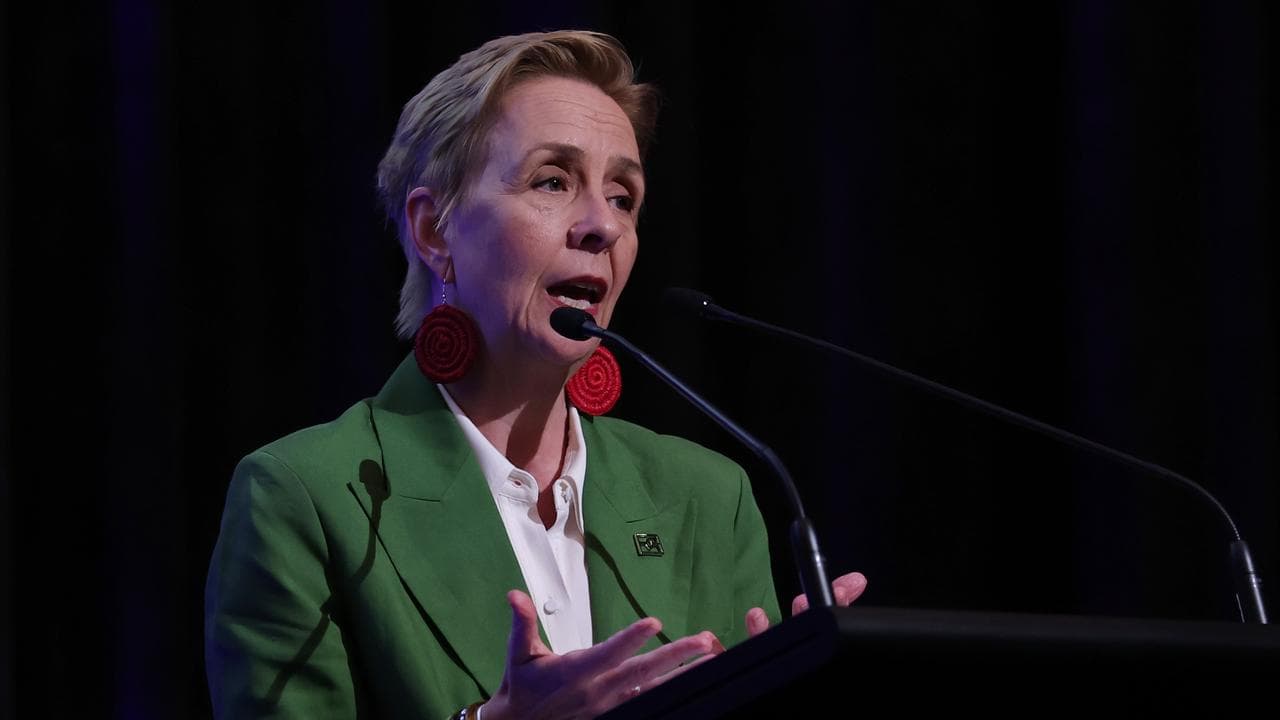
Ms Cronin said she was working to improve collaboration and coordination across systems, and is analysing more than 3000 recommendations from royal commissions, coronial inquests and inquiries over the past decade.
She said Australia had not paid enough attention to sexual violence as a community and sexual harm was only growing.
"We're not winning the battle around sexual violence, sexual harm, sexual abuse in any domain, from a justice perspective, from a healing and recovery perspective, from a support service perspective," Ms Cronin told AAP.
She said communities that experienced disproportionate levels of sexual violence, including First Nations, disabled, LGBTQI+, those in prisons or institutions, and older populations, were not included in Australia's current data.
"Therefore we're not designing services to respond to them," Ms Cronin said.
"We've got to make sure that they are not an afterthought - and that we are actively working out how to listen.
"That's why lived experience is so important, because they will hold us to account and tell us the difficult stories."
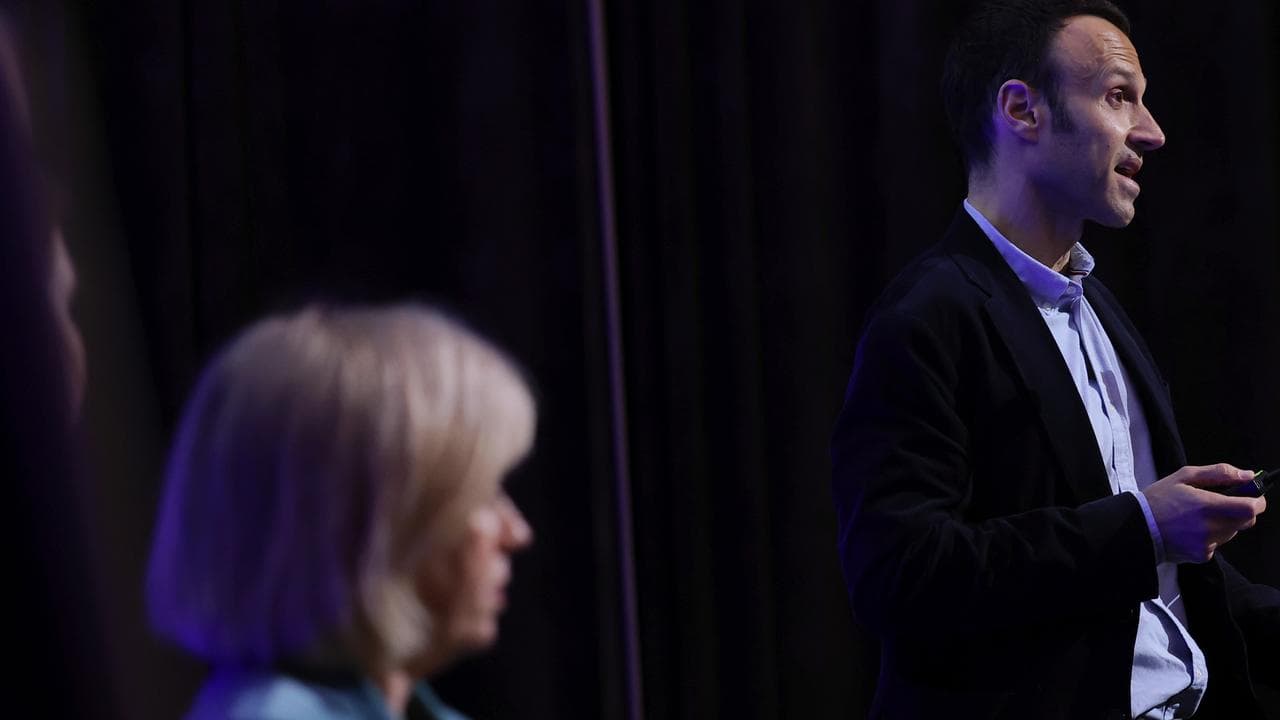
Echoing Ms Cronin's concerns about a lack of collaboration, Victoria's Social Services Regulator Jonathan Kaplan said "systemic cohesion is the biggest impediment" to change.
In February, several schemes were moved under the regulator's remit - working with children checks, NDIS worker screenings, reportable conduct and child safety standards.
It followed a rapid review after a former childcare worker was arrested and charged with causing sexual harm to babies and toddlers at childcare centres in Melbourne.
"Shortly after government announced the moving of working with children to us, I went to meet with a series of disability providers," he told the summit.
"They were saying that they worked across all states and jurisdictions, they had at least half a dozen working with children checks, they had at least half a dozen NDIS checks, and it's just not a good enough system."
Mr Kaplan said people now needed to undergo a 45-minute mandatory training session to obtain a working with children check.
"Through this, I think we can engage with the community and build a language and a literacy of what harm looks like," he said.


