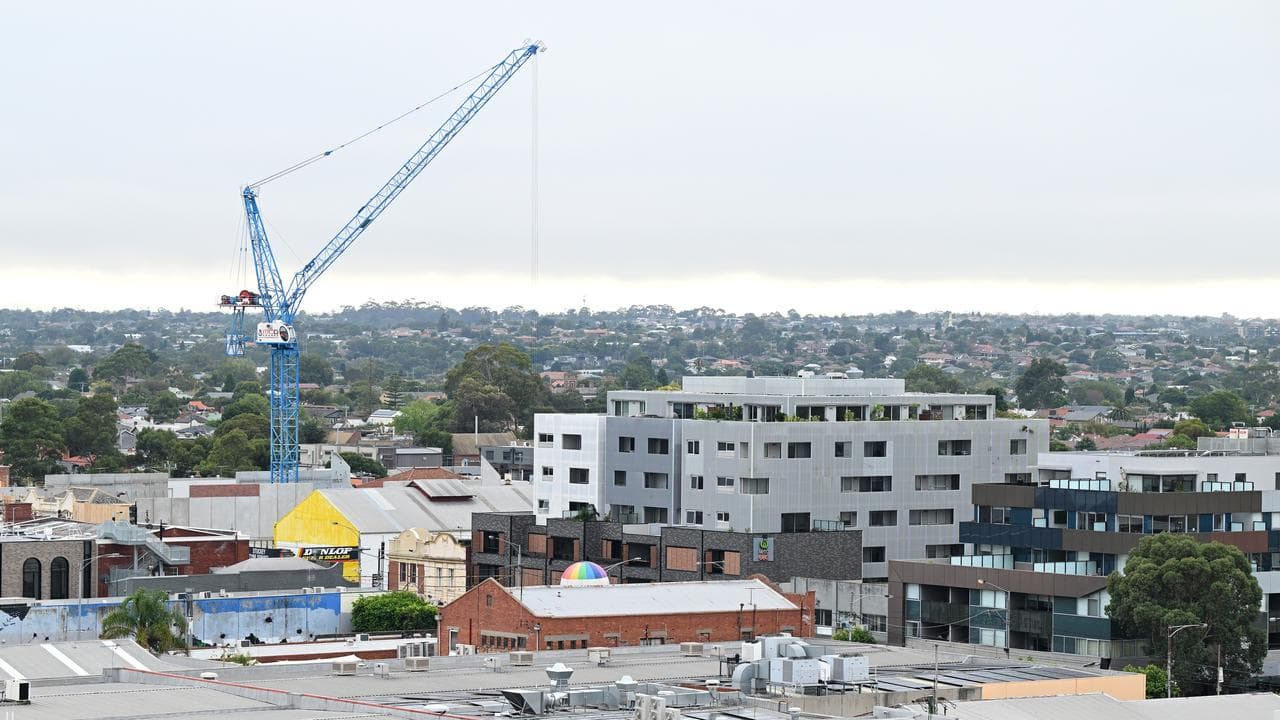
Mortgage holders could face as many as three interest rate hikes by Christmas, according to money markets, as concerns mount over the Iran war's impact on inflation.
Rates traders upped their predictions on Friday, pricing in almost 75 more basis points of hikes by the Reserve Bank by the year's end, after hawkish overnight meetings by global central banks.
Coinciding with more attacks on liquefied natural gas infrastructure in the Middle East, pessimistic commentary from the European Central Bank and the Bank of England heightened fears the conflict would compound Australia's inflation problem.
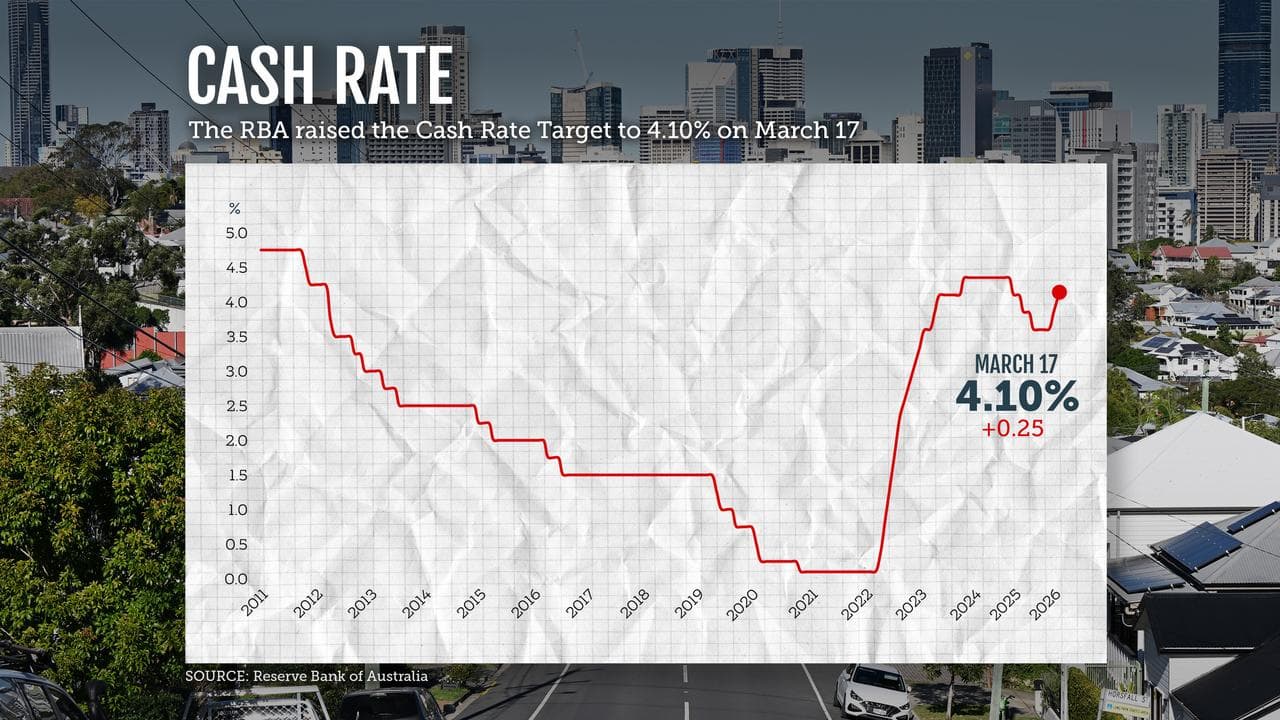
If money market predictions are borne out, the Reserve Bank's cash rate would end 2026 at an 18-year high of 4.85 per cent, adding to the misery of mortgage holders.
On Thursday, markets had been pricing in closer to two hikes in 2026.
IG market analyst Tony Sycamore said as well as a May hike, chances of follow-up rate rises in September and December were high if the war dragged on.
In addition to the primary impact on fuel prices, rising energy costs are contributing to so-called second-order effects as inflation ripples across the broader economy.
A project manager at one major Australian construction company said he had received about 25 emails since the start of the conflict from contractors notifying they would be raising prices due to higher fuel costs.
"Already got approached by our civil contractor, and he reckons he's spending $7000 more per week already on his plant," the project manager, who was not authorised to speak publicly, told AAP on Friday.
"That was at the start of the week, so probably more now."
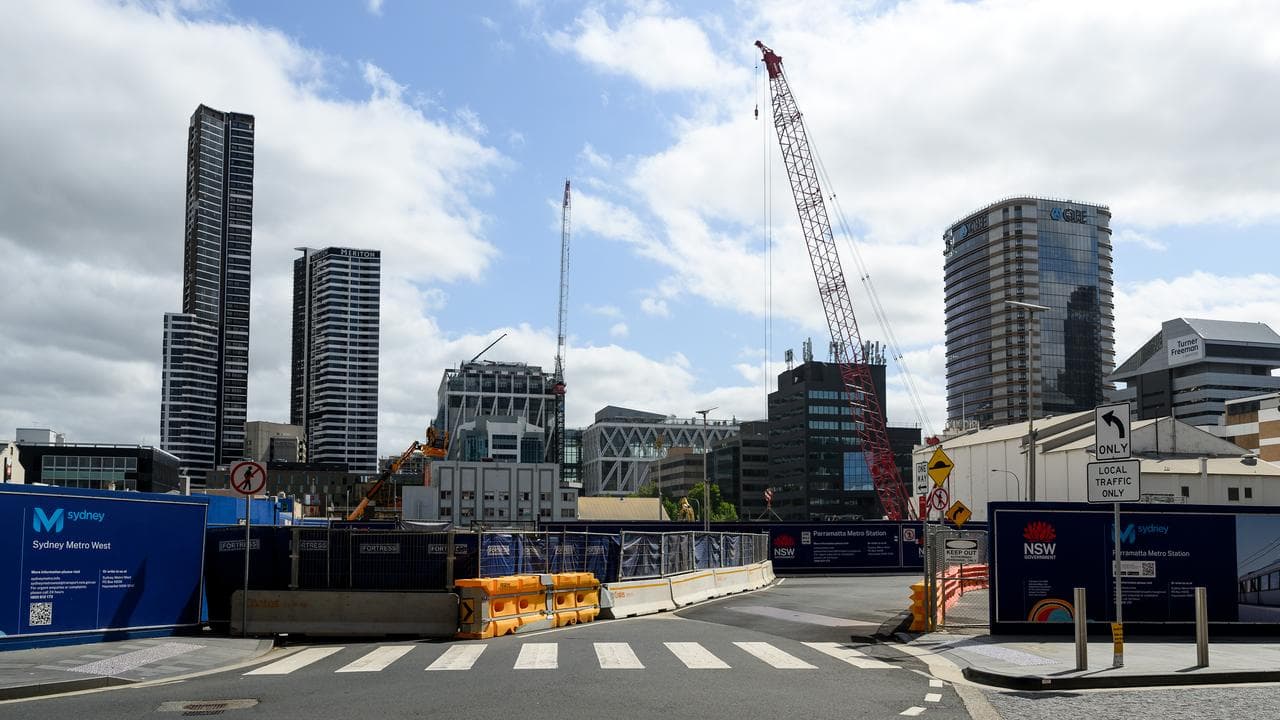
An email from another contractor, seen by AAP, said all new contracts for transportation of rental equipment would incur a 20 per cent fuel surcharge.
"The ongoing conflict in the Middle East is impacting global fuel supplies and driving up market prices," the email read.
"These actions are essential to ensure we continue delivering reliable service and maintain our operations despite the current market pressures."
Construction costs were already concerning the Reserve Bank before the outbreak of hostilities.
Annual growth in new dwelling prices jumped from three to 3.5 per cent in January as project home builders began to pass through higher labour and material costs.
Commonwealth Bank's head of Australian economics Belinda Allen said her team had heard similar feedback on rising costs being passed through in meetings with businesses in industries such as mining and construction.
"Anyone that's shipping things into Australia at the moment, particularly materials, are facing higher costs," she told AAP.
"The challenge, of course, this time around for Australia is we were already facing high costs and stronger demand already, so we're just adding to that pressure."
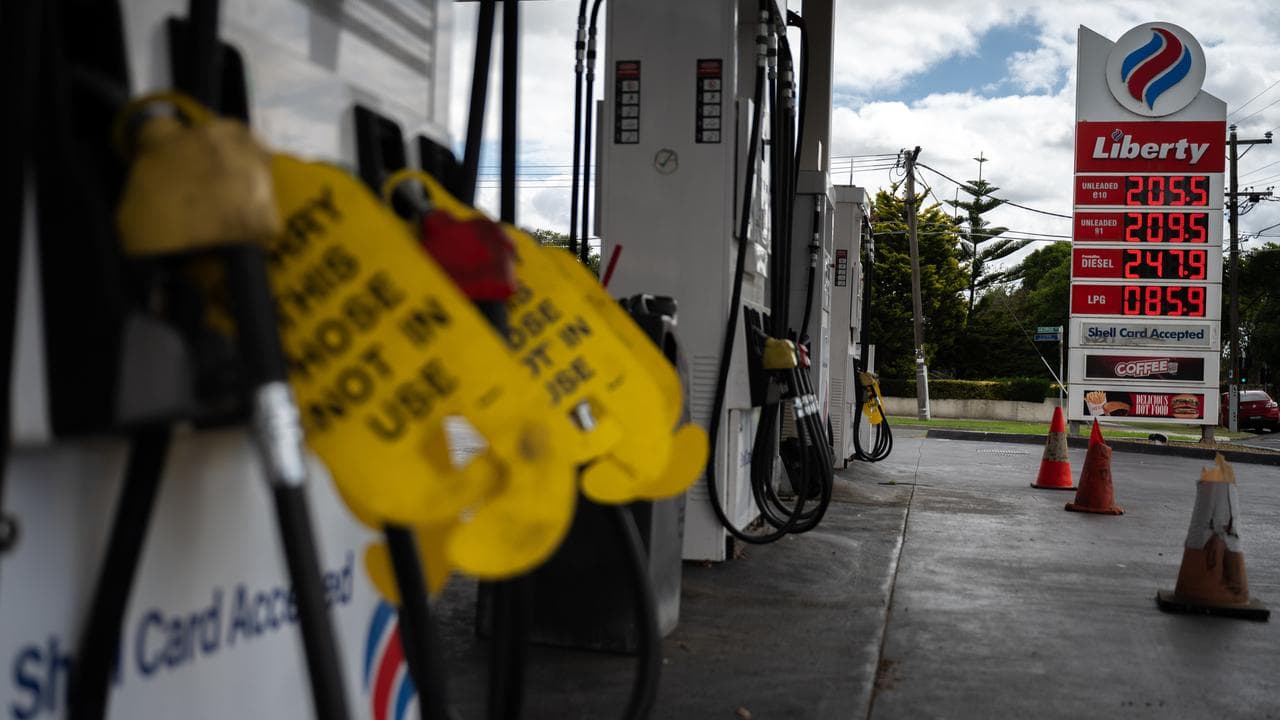
Because fuel is an economy-wide input, rising prices translate through the entire economy, from transport costs to groceries, Mr Sycamore said.
"It's the butterfly flapping its wings," he said.
"It starts in the Middle East and it spreads across the globe. Our economy is no different."
In a statement on Friday, Coles said oil prices were putting "significant cost pressure" on transport providers.
The supermarket giant said it would review the fuel component of its freight rates more frequently and reduce payment terms for smaller providers to help transport contractors manage rising fuel costs.


