US President Donald Trump has threatened to invoke the Insurrection Act to deploy military forces in Minnesota after days of angry protests over a surge in immigration agents on the streets of Minneapolis.
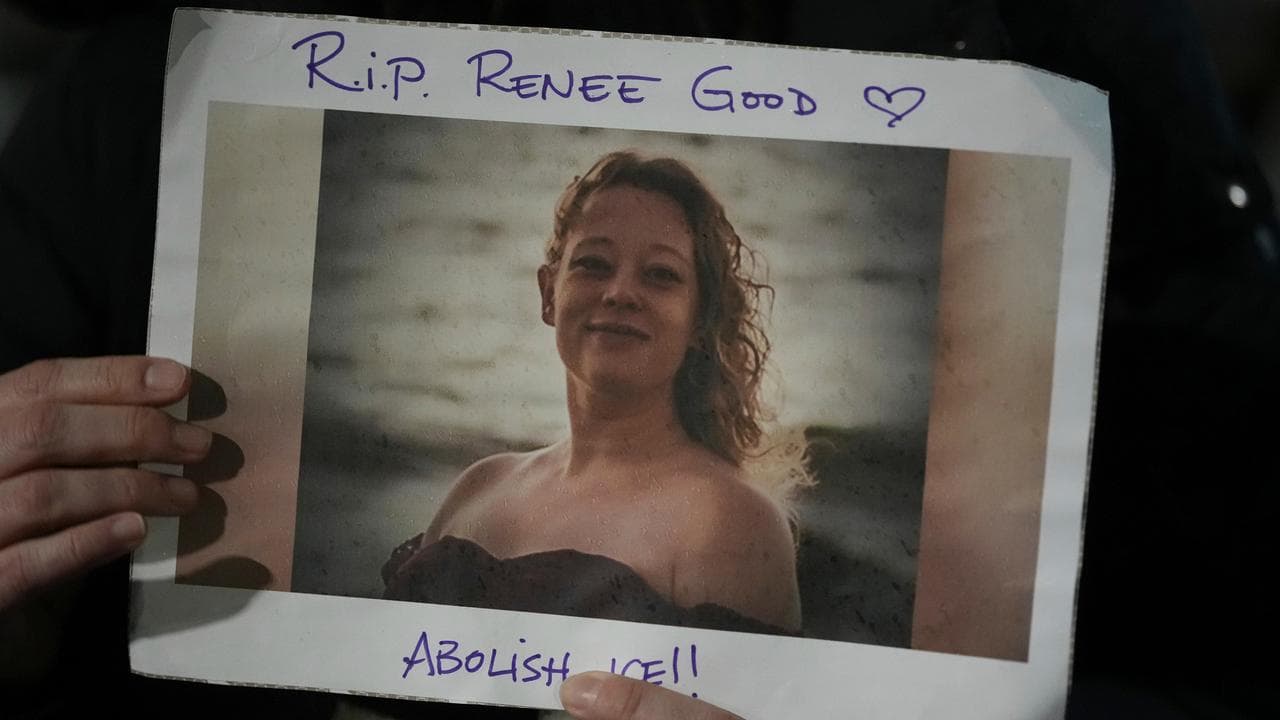
Confrontations between residents and federal officers have become increasingly tense after an Immigration and Customs Enforcement agent fatally shot a US citizen, Renee Good, in a car eight days ago in Minneapolis, and the protests have spread to other cities.
Trump's latest threat came a few hours after an immigration officer shot a Venezuelan man who the government said was fleeing after agents tried to stop his vehicle in Minneapolis.
The man was wounded in the leg.
"If the corrupt politicians of Minnesota don't obey the law and stop the professional agitators and insurrectionists from attacking the Patriots of I.C.E., who are only trying to do their job, I will institute the INSURRECTION ACT," Trump wrote on social media on Thursday.
Trump, a Republican, has for weeks derided the state's Democratic leaders and called people of Somali origin there "garbage" who should be "thrown out" of the country.
He has already sent nearly 3000 federal officers to the Minneapolis area, who have carried guns through the city's icy streets, wearing military-style camouflage gear and masks that hide their faces.
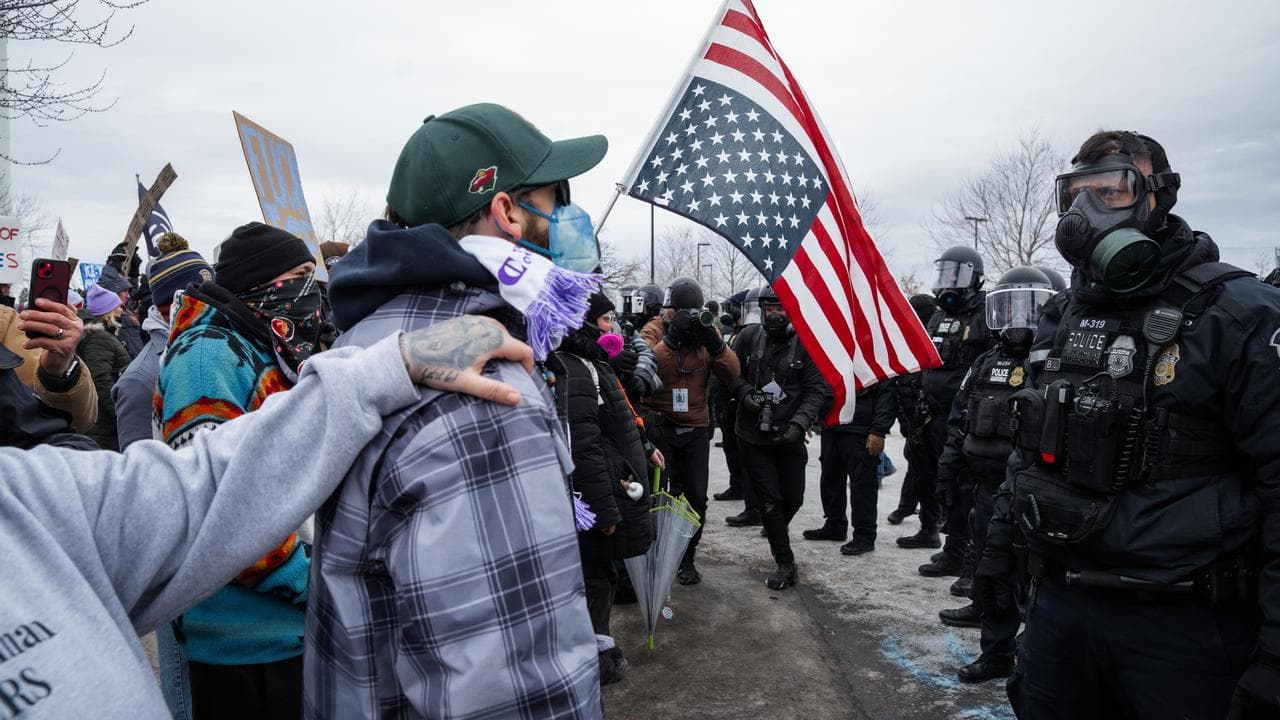
They have been met day and night by loud, often angry protests by residents, some blowing whistles or banging tambourines.
On Wednesday night, crowds of residents gathered near the area where the Venezuelan man was shot.
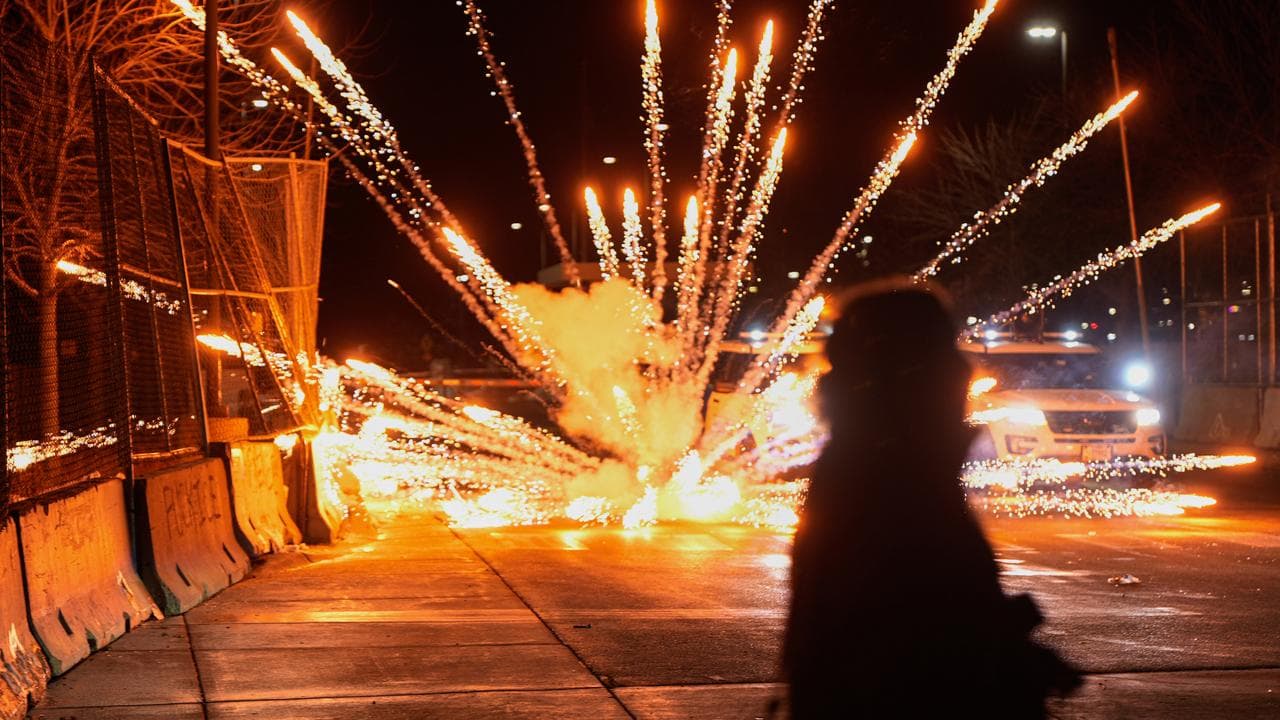
Some shouted in protest, and federal officers ignited flash-bang grenades and released clouds of tear gas.
Later, after most of the residents had been dispersed, a small group vandalised a car they believed belonged to the federal officers, one person daubing it with red graffiti saying: "Hang Kristi Noem," in reference to the Homeland Security secretary who oversees ICE.
Since the surge began, agents have arrested both immigrants and protesters, at times smashing windows and pulling people from their cars.
They have been shouted at for stopping Black and Latino US citizens to demand identification.
The Trump administration and Minnesota leaders have each blamed the other for stoking anger and violence.
In one incident that captured public attention, US citizen Aliya Rahman was grabbed and dragged from her car by masked immigration officers on Tuesday near the site where Good was killed.
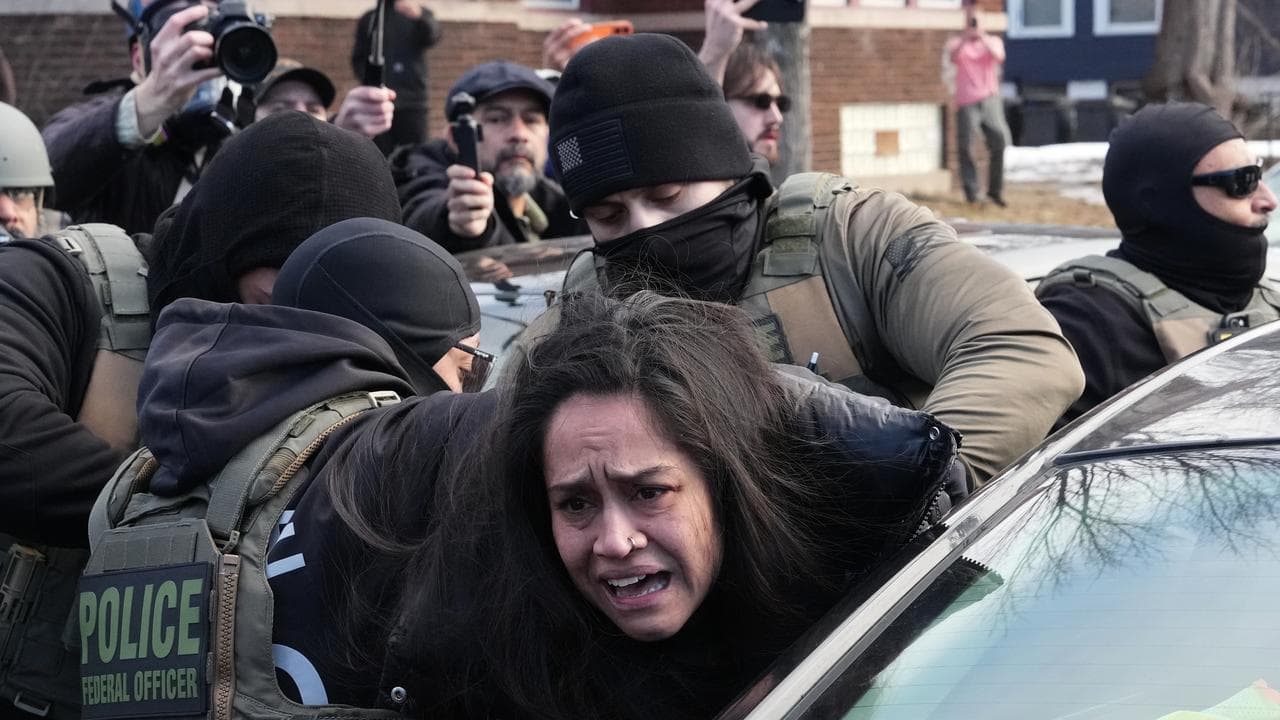
In response to a request for comment, a US Department of Homeland Security spokesperson said an "agitator" ignored an officer's commands to move her vehicle and was arrested and detained for obstruction.
The DHS, which is overseeing Trump's immigration crackdown, identified the man its officer shot as Julio Cesar Sosa-Celis.
According to a DHS statement, Sosa-Celis fled in a vehicle and on foot after federal officers tried to stop him.
The officer who caught him was attacked by two other Venezuelan men, the DHS said, and Sosa-Celis joined in after getting loose, after which the officer "fired defensive shots to defend his life".
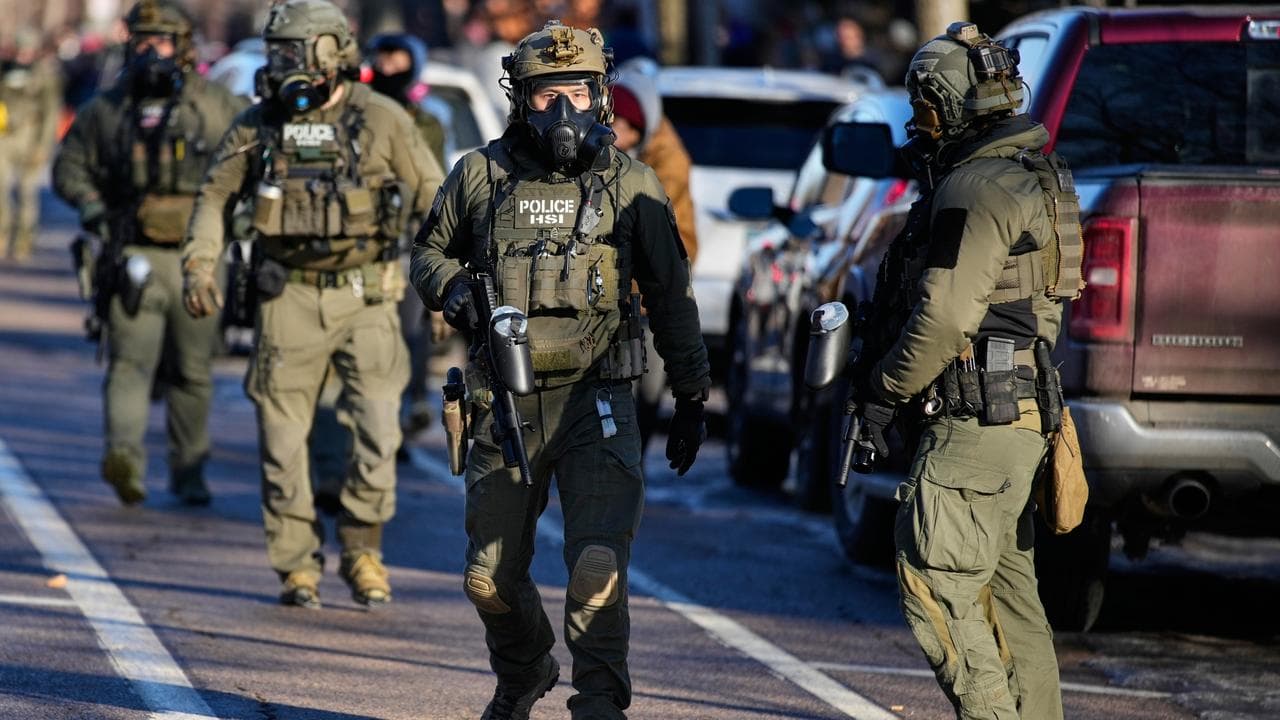
The Insurrection Act of 1807 allows the president to deploy the military or federalise soldiers in a state's National Guard to quell rebellion, an exception to laws that prohibit soldiers being used in civil or criminal law enforcement.
It has been used 30 times in US history, according to New York University's Brennan Center for Justice.
Trump has already taken the unusual step of federalising National Guard soldiers to help with immigration law enforcement in Democratic-run cities over the objections of state governors, including in Los Angeles in 2025, which a judge ruled in December was unconstitutional.


