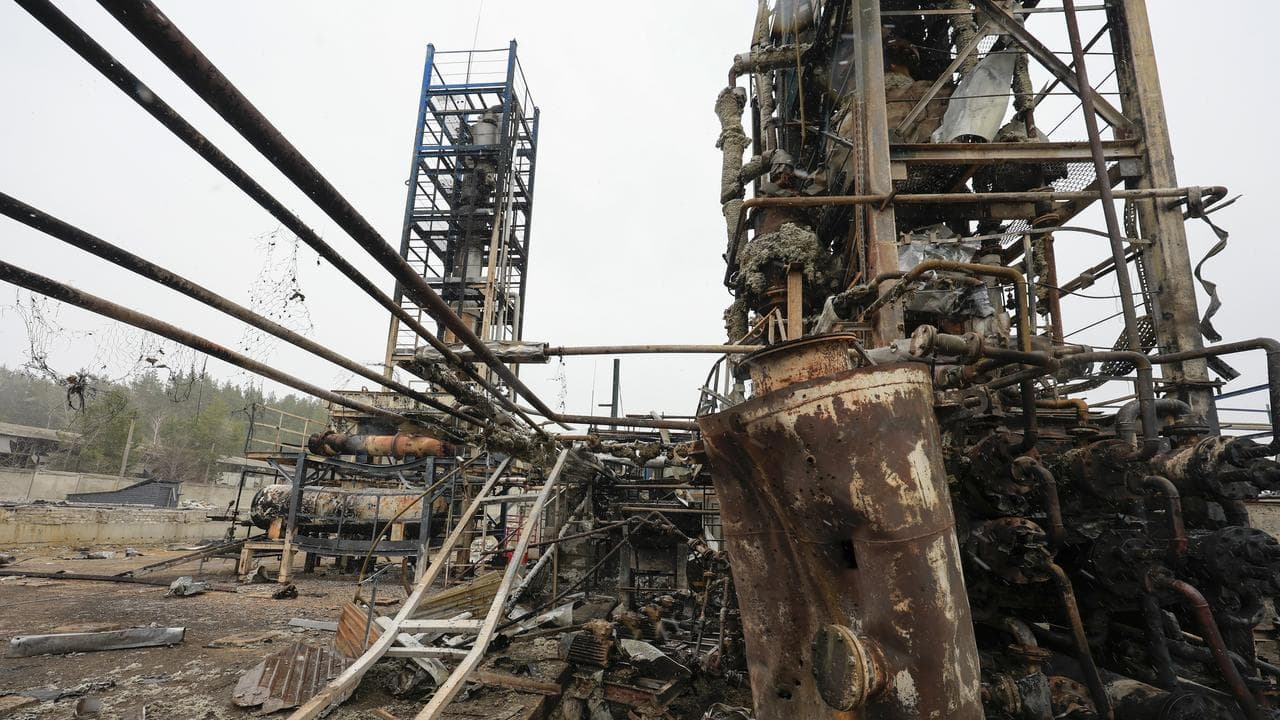
Ukraine is using long-range strikes on energy infrastructure to maintain pressure on Russia after international oil sanctions on Moscow were eased in the wake of the Iran war, President Volodymyr Zelenskiy says.
Washington issued a 30-day waiver earlier in March for countries to buy sanctioned Russian oil and petroleum products stranded at sea in an effort to stabilise global energy markets roiled by the conflict in the Middle East.
Ukraine's European allies, who want to maintain pressure on Russia to end its four-year-old war, have criticised the move by Washington.
Asked about an escalation of Ukrainian attacks on Russian energy infrastructure in recent days, Zelenskiy noted the shift in international sanctions policy: "The pressure on Russia in the world is decreasing."
"Therefore, unlike most countries in the world, Ukraine has its own sanctions: its long-range capabilities," he told Reuters in an interview late on Wednesday.
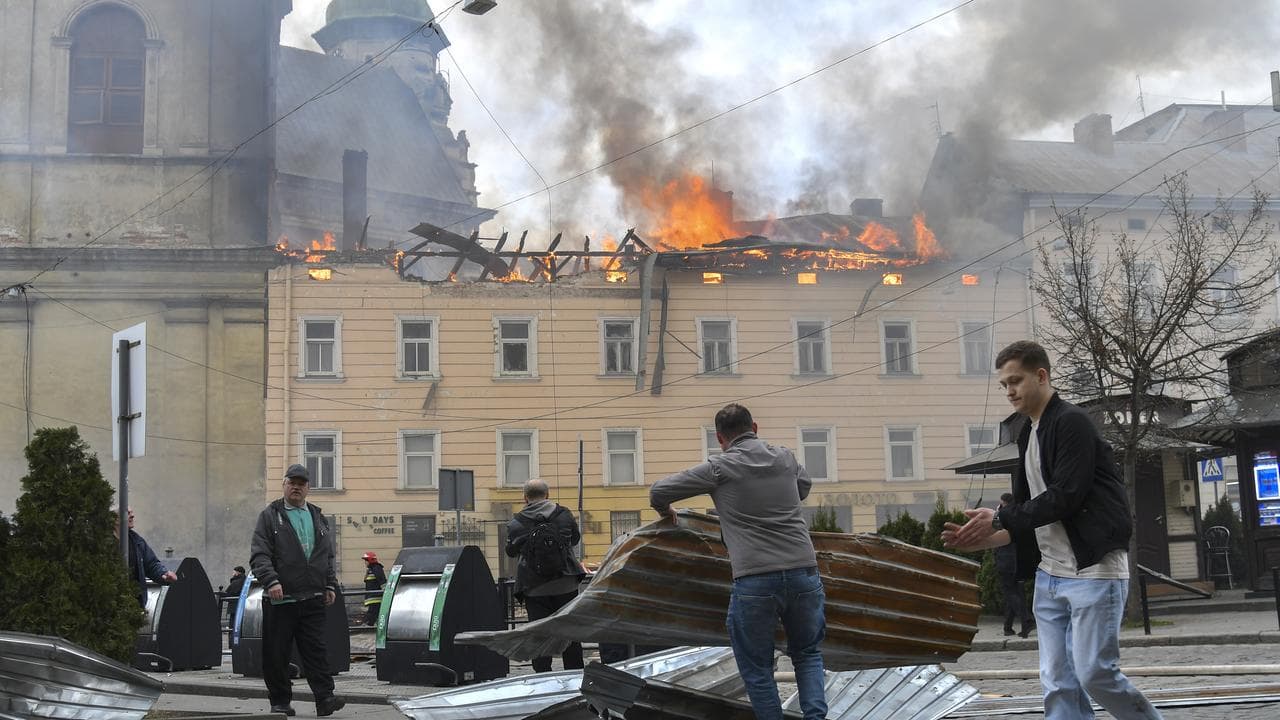
Following heavy Russian drone and missile strikes on Ukrainian cities in recent days, Zelenskiy added that pressure on Moscow needed to be maintained: "If Ukraine does not respond to their attacks, Russia will simply continue the war and not even think about pauses."
On Wednesday, Russia's Baltic ports of Ust-Luga and Primorsk suspended crude oil and oil products loadings, sources told Reuters, after Ukrainian drone attacks sparked blazes, with smoke visible from Finland.
Primorsk resumed oil and fuel loadings on Thursday, though at lower capacity than normal because of damage to its infrastructure, three sources said.
Ukraine's SBU security service said in a statement on Wednesday its long-range drones had flown more than 900 km from its Alpha special operations centre to strike the Ust-Luga terminal.
Reuters calculations based on market data on Wednesday showed at least 40 per cent of Russia's oil export capacity had been halted as a result of the Ukrainian drone attacks, a disputed attack on a major pipeline, and the seizure of tankers.
The shutdown is the most severe oil supply disruption in the modern history of Russia, the world's second-largest oil exporter. It has hit Moscow just as oil prices exceeded $US100 ($A144) a barrel due to the Iran war.
Russia's oil pipeline monopoly Transneft will try to redirect oil exports from the Baltic Sea ports damaged by drone attacks, Interfax news agency reported on Thursday.
Adi Imsirovic, a lecturer on energy at Oxford University, said it was too soon to say how long-lasting the damage would be to Russia's oil export infrastructure, but if storage facilities had been seriously damaged at the ports that could suspend flows through pipelines for some time.
While a campaign of Ukrainian strikes on Russian refineries, which began in the middle of 2025, had impacted the domestic fuel market, the latest wave of attacks on oil export facilities would more directly hurt government revenues, Imsirovic said.


