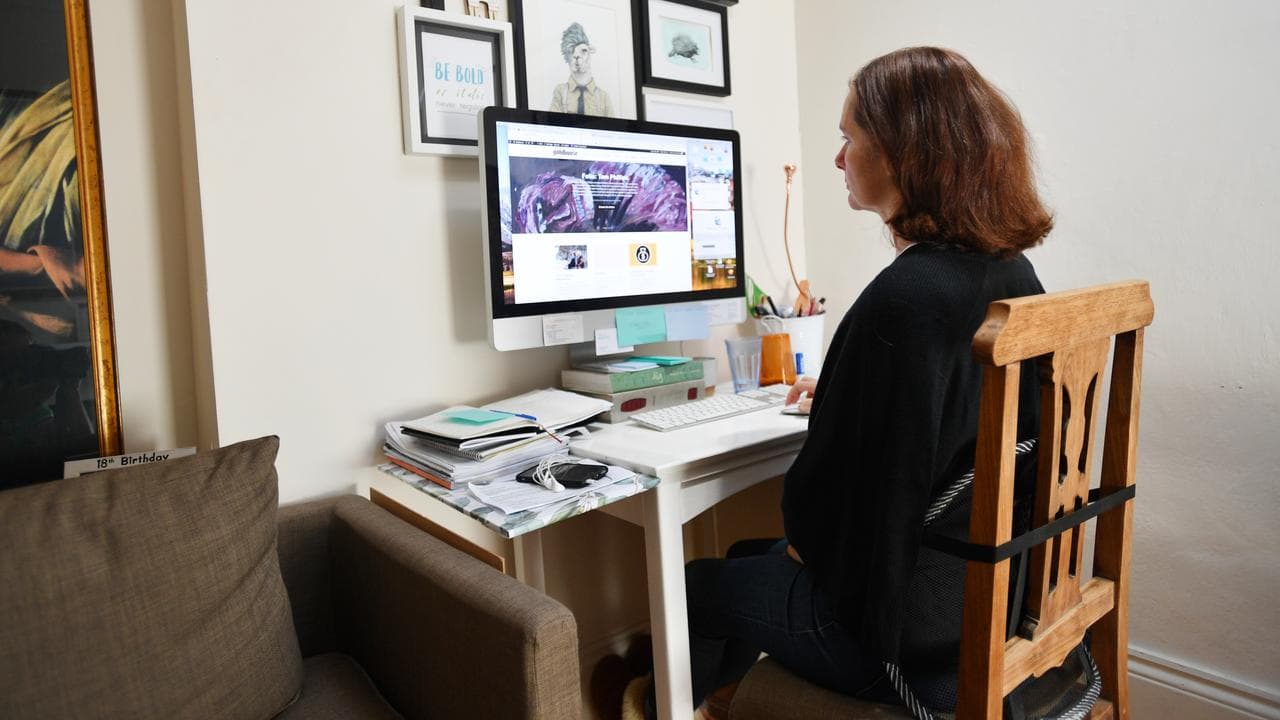
Introducing a statutory right to request to work from home would benefit both employees and employers, advocates have argued.
Representatives from peak union bodies and parenting groups appeared before the Senate Education and Employment Legislation Committee on Wednesday to discuss amendments to the Fair Work Act that would enshrine the right to request to work from home for up to two days per week in legislation.
Since the widespread adoption of work from home policies, workforce participation for women with caring responsibilities has increased by 8.5 per cent, and participation for people with disabilities increased by 8 per cent.
Many workers view working from home as a cost-of-living relief measure, the Australian Services Union's national policy and advocacy lead Tiarne Crowther said.
Workers who have taken advantage of work from home policies have also reported reduced commuting times, saving 3.4 hours a week in addition to $110 in travel expenses.
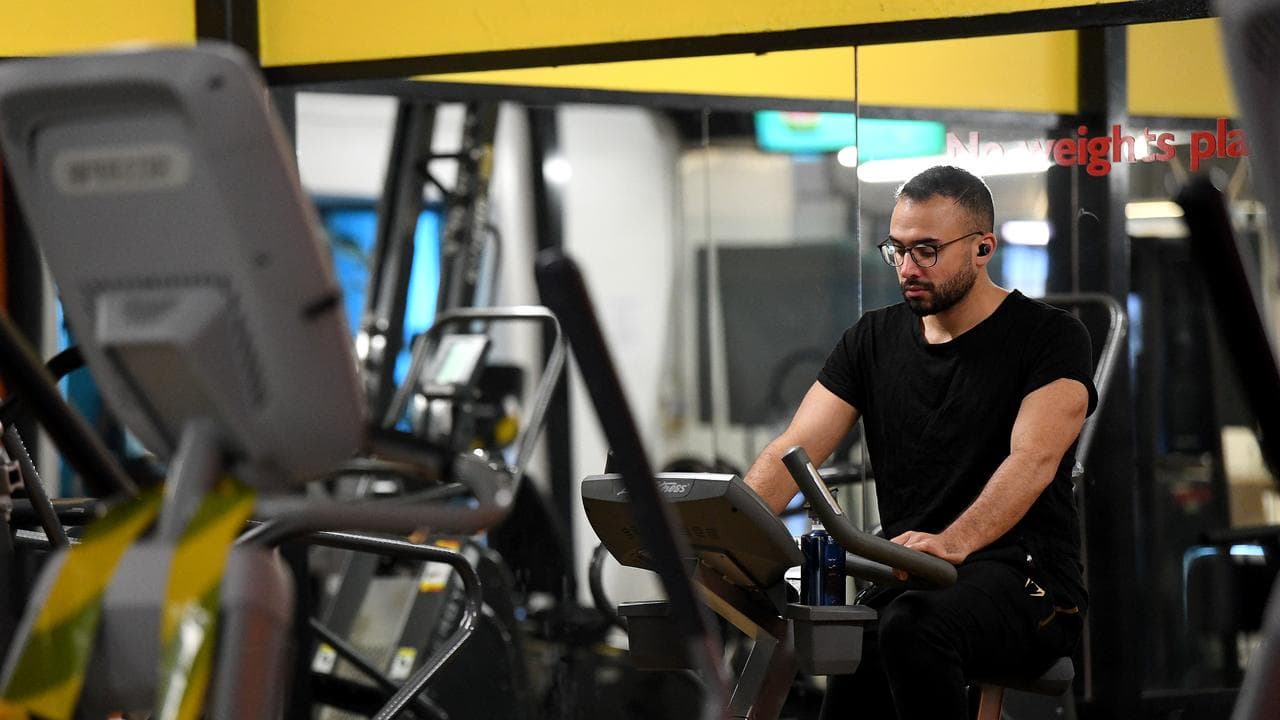
Employees valued having more time back in their days, with Ms Crowther providing examples of ASU members who were able to visit the gym more frequently and spend more time gardening as a result of working from home, noticing positive impacts on their physical and mental wellbeing.
“A bill that brings in a universal right would be fantastic, would better recognise where we think Australian workplaces are at," the Australian Council for Trade Unions' director of legal and policy Ben Moxham told the committee.
However, Mr Moxham argued the proposed legislation does introduce some complexities, including what two days a week means for part-time workers and shift workers who work unusual hours.

A group that has benefited from work from home policies is working mothers, driving a fairer share of domestic work as dads who work from home are able to put in more hours of unpaid domestic work than prior to the COVID-19 pandemic.
"Working from home is not a perk or a lifestyle choice. It is the infrastructure that makes a stretched life manageable," The Parenthood chief executive Georgie Dent said.
Citing statistics from the National Working Families Survey that found 74 per cent of women and 57 per cent of men are stressed, Ms Dent said that families are running out of margin.
"When that gap isn't closed, somebody absorbs it, and it is usually mum," she said.
Ms Dent urged the committee to reject suggestions that the right to work from home be confined to carers.
"If working from home is treated as a concession for mums, the time that is saved will just become a second shift, and the pay gap will grow and deepen. When dads use it too, it becomes how work is done."


