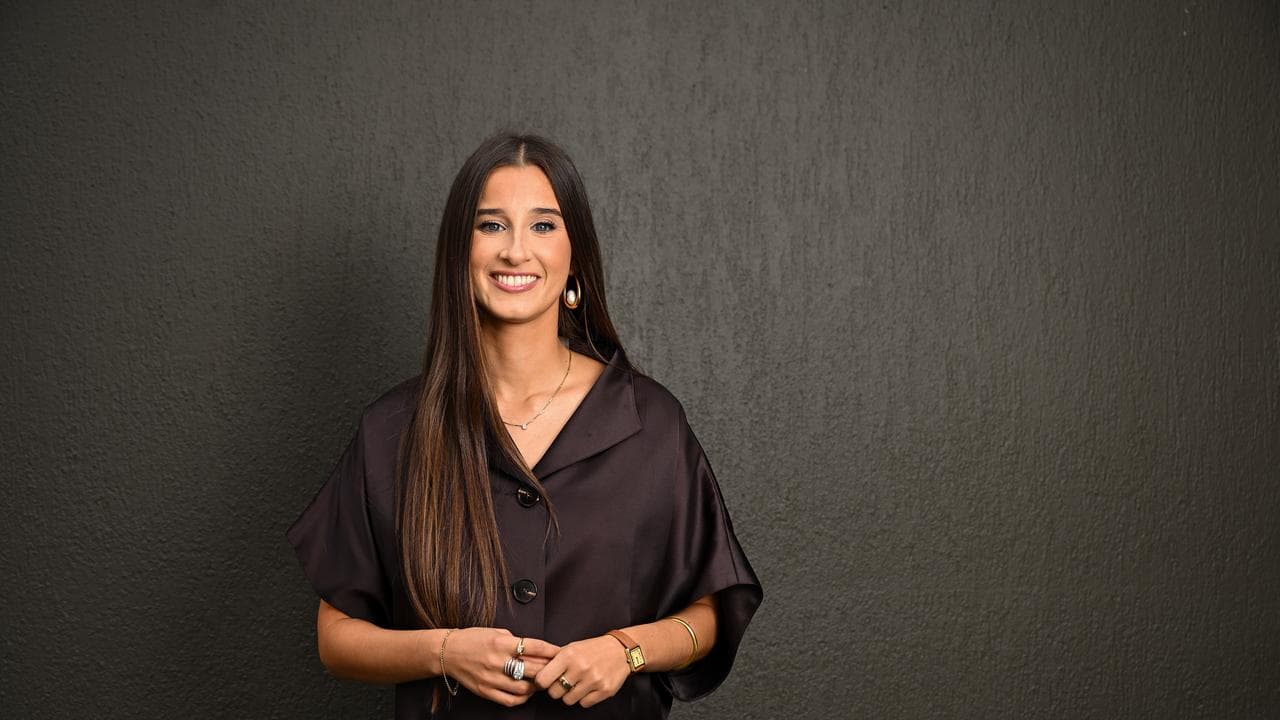
A leading consent advocate has cautioned leaders against stopping at an opt-out model for social media algorithms, warning that artificial intelligence is adding more fuel to the fire of harmful content.
Chanel Contos' organisation, Teach Us Consent, has been running a campaign since 2025 to allow Australians to opt in to algorithms.
The measure would give people the option to just see posts from friends and accounts they follow, reverting social media platforms to their original models.
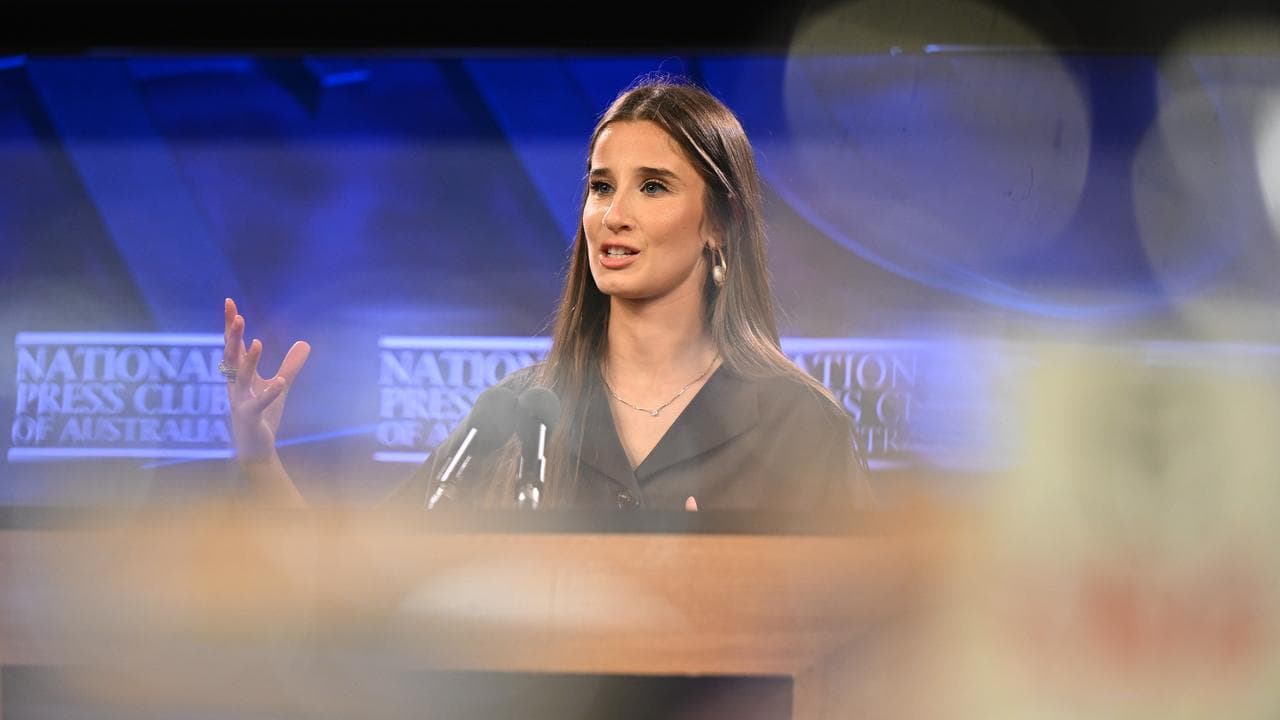
"I think political will is the only thing stopping us," Ms Contos told the National Press Club on Wednesday, arguing social media outlets were exposing young boys to misogynistic "manosphere" content at unprecedented rates.
The federal government is exploring a plan to let Australians opt out of social media algorithms, but they would still be in place by default, Social Services Minister Tanya Plibersek recently said.
Treasurer Jim Chalmers backed the plan on Wednesday, telling journalists: "It's self-evident that social media and particularly the way that these algorithms work are not doing us a lot of good."
"I share the concern that a lot of people have," he added.
Ms Contos said the system would be a good first step and congratulated Labor for seeking to address the issue.
"However, opt-in algorithms would fundamentally make the transition onto social media for 16-year-olds and other children safer, and it would bring the principle of affirmative consent to our screens," she said, adding that watertight reform would be key to the plan's success.
Her speech followed an under-16s social media ban and ongoing work on a digital duty of care, which Ms Contos supported.
But without transparency from social media companies about how algorithms worked, it was hard to push government momentum, she said.
Many manosphere influencers fed off the insecurities of young boys and used cheap labour to repost their content hundreds of times, making it nearly impossible for teenagers to avoid.
"We also know that AI controls (algorithms) as well, so it might be confusing to the people close up involved in them," she said.
"It is intangible, shape-shifting, invisible and omnipresent all at once."
Boys aged between 16 and 18 were likely to be fed misogynistic content less than 25 minutes after signing up to social media, Ms Contos said.
That was true even if preferences were set to try and exclude it, according to research from Teach Us Consent.

Teens were regularly fed content suggesting women should not leave the house alone, should not work and should not be in charge of their own money, she said.
Most harmful content for boys starts in the wellness landscape through gym videos or motivational content.
They then promote good looks and dominance over women as markers of male worth.
Ms Contos said men who subscribed to those ideals were twice as likely to binge drink and eight times as likely to have suicidal thoughts as their peers.
They were also 17 times as likely to have hit their partner, she said.
Australian teenage boys aged 16 to 18 are committing sexual assault against children more frequently than adults, the Australian Child Maltreatment Study found in 2023.
Nationals leader Matt Canavan blamed "feminisation" of school curriculums for a rise in misogynist beliefs.
"(Boys) are sick and tired of getting lectures about how bad men are at school," he told Nine's Today program.
1800 RESPECT (1800 737 732)
National Sexual Abuse and Redress Support Service 1800 211 028
Lifeline 13 11 14
beyondblue 1300 22 4636


