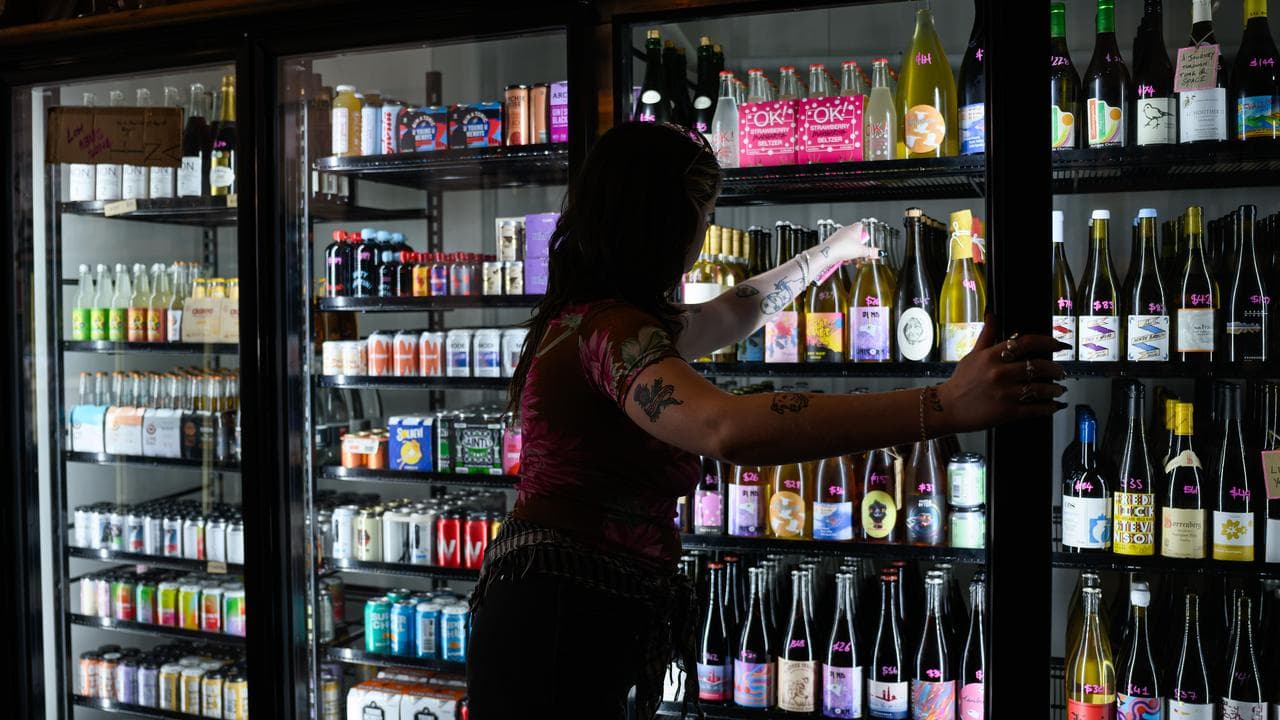
Australians are being put at risk of dire health consequences as tainted illicit alcohol is unknowingly sold in bottle shops, prompting calls for stronger liquor regulation.
Researchers from the National Drug and Alcohol Research Centre, UNSW and National Drug Research Institute found almost one-in-three bottle shops visited across Victoria, NSW, and Queensland contained suspected illicit alcohol products.
"We're finding regular bottle shops are stocking products that we suspect are illicit, and that we've found have contaminants in them," postdoctoral research fellow Michala Kowalski told AAP.
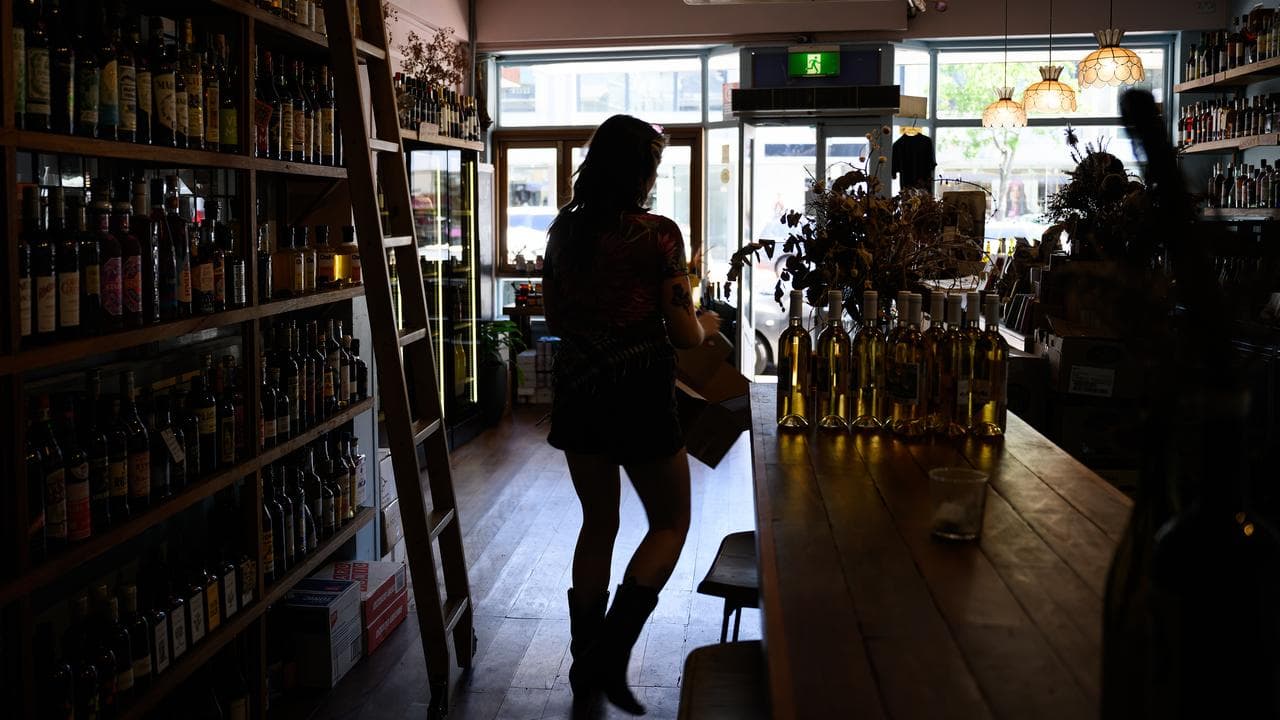
The danger is compounded by people being lulled into a false sense of security, believing their purchase is legitimate because it came from a genuine retailer.
Researchers found contaminants like methanol and plastic debris in some products.
Dr Kowalski warned methanol, at a high enough concentration, can cause poisoning, leading to seizures, blindness, or even death.
While the concentrations tested were below the deadly threshold, "finding it at all is a really big concern about product quality", she said.
Plastic particles, linked to cancers, were also found.
It comes as Victoria Police investigate the possibility of illicit alcohol trade being a motive behind a firestorm of arson attacks on Melbourne's nightlife precincts.
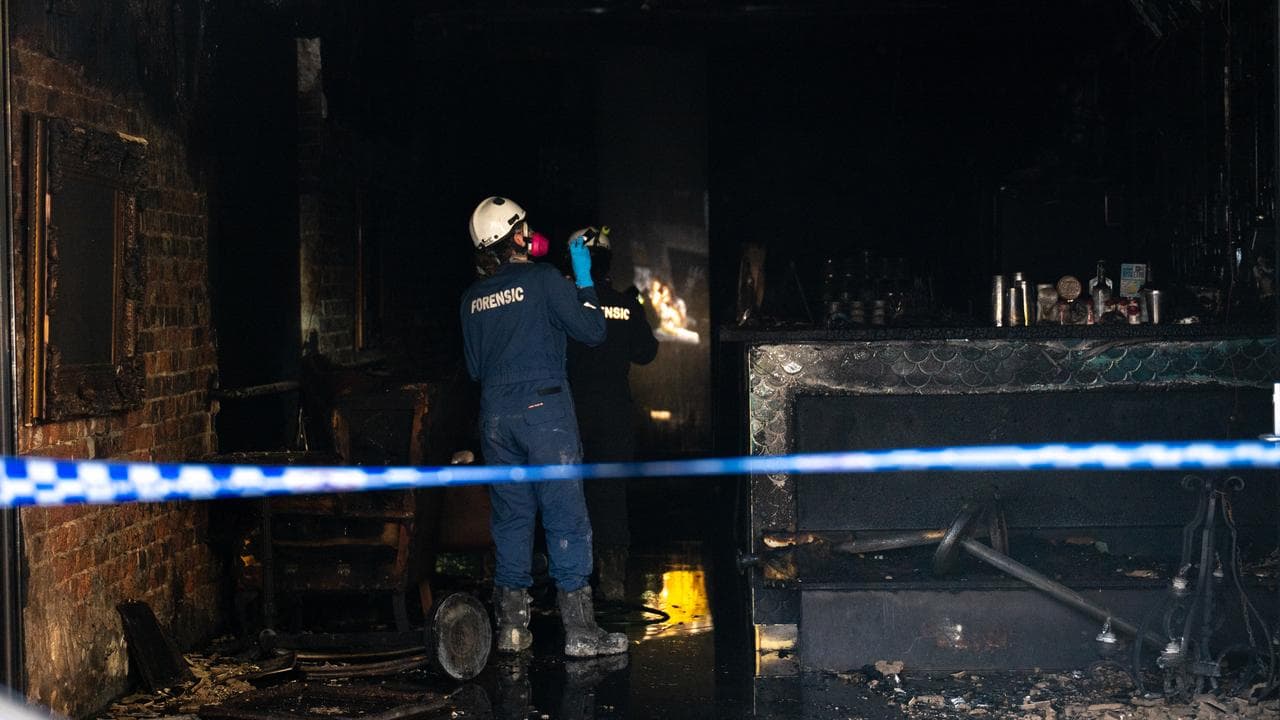
Detective Superintendent Jason Kelly recently confirmed police were receiving information about the complexities of the alcohol industry, including illicit and homemade alcohol.
Industry insiders believe the attacks are linked to underworld figures battling for control of the growing illegal alcohol market.
A well-known source, speaking anonymously, warned Melbourne was at risk of another "tobacco war," as criminal figures strongarm venues into using their illegal product.
The source blamed "stupidly high government excises and taxes on alcohol", creating a lucrative opportunity for criminal gangs and bikies to import cheap, tax-free booze or water down legitimate products.
Melbourne teenagers Holly Morton-Bowles and Bianca Jones, both 19, died from methanol poisoning while holidaying in Laos in 2024.
At least six foreigners died during the mass poisoning event in the tourist town of Vang Vieng, including a British woman, a US tourist and two young Danish women.
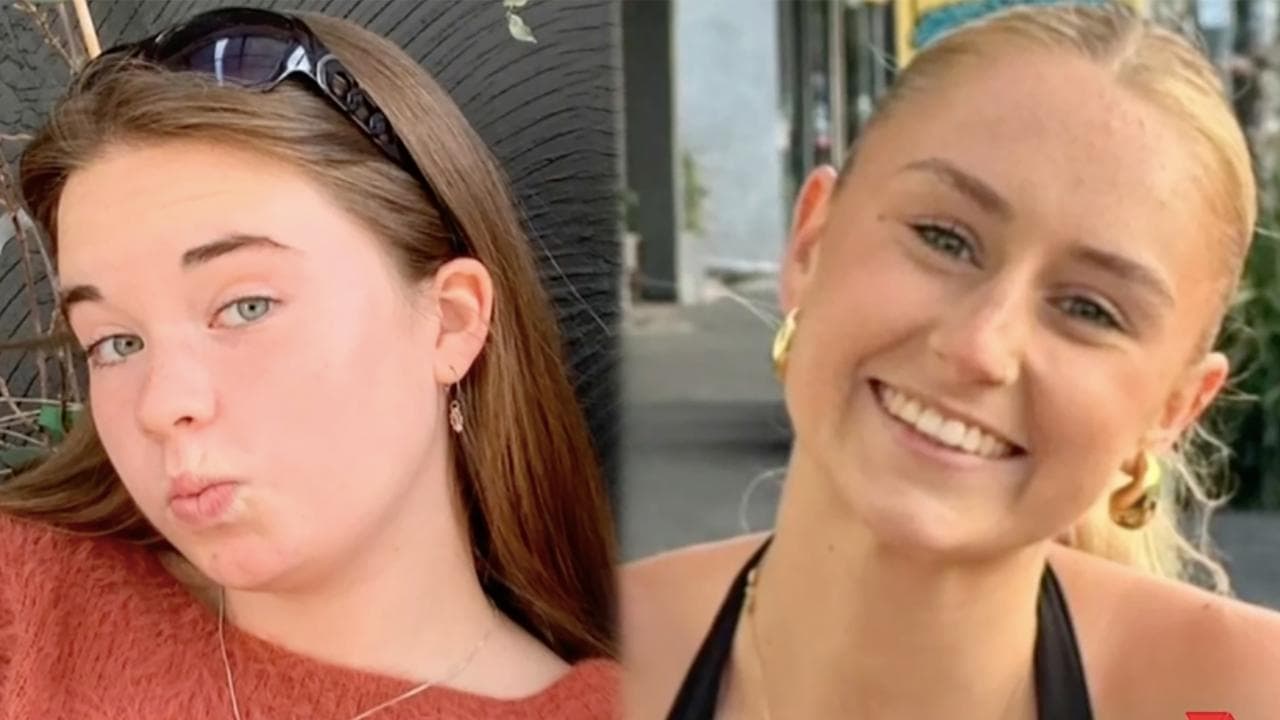
The Morton-Bowles and Jones families expressed outrage earlier this year after it emerged 10 people connected to the methanol poisoning faced court in January and were fined just $185 for destroying evidence.
No charges have been laid over the deaths.
Dr Kowalski stressed a whole-of-government response was needed in Australia, including regulatory changes and enforcement, arguing tax policy alone wouldn't solve the "so well established" issue.
She advised consumers to stick to trusted brands and shops, question unusually low prices, and check bottle quality for missing pregnancy warnings or barcodes.
The study has renewed calls for Victoria to empower the liquor regulator to test products on the shelves.
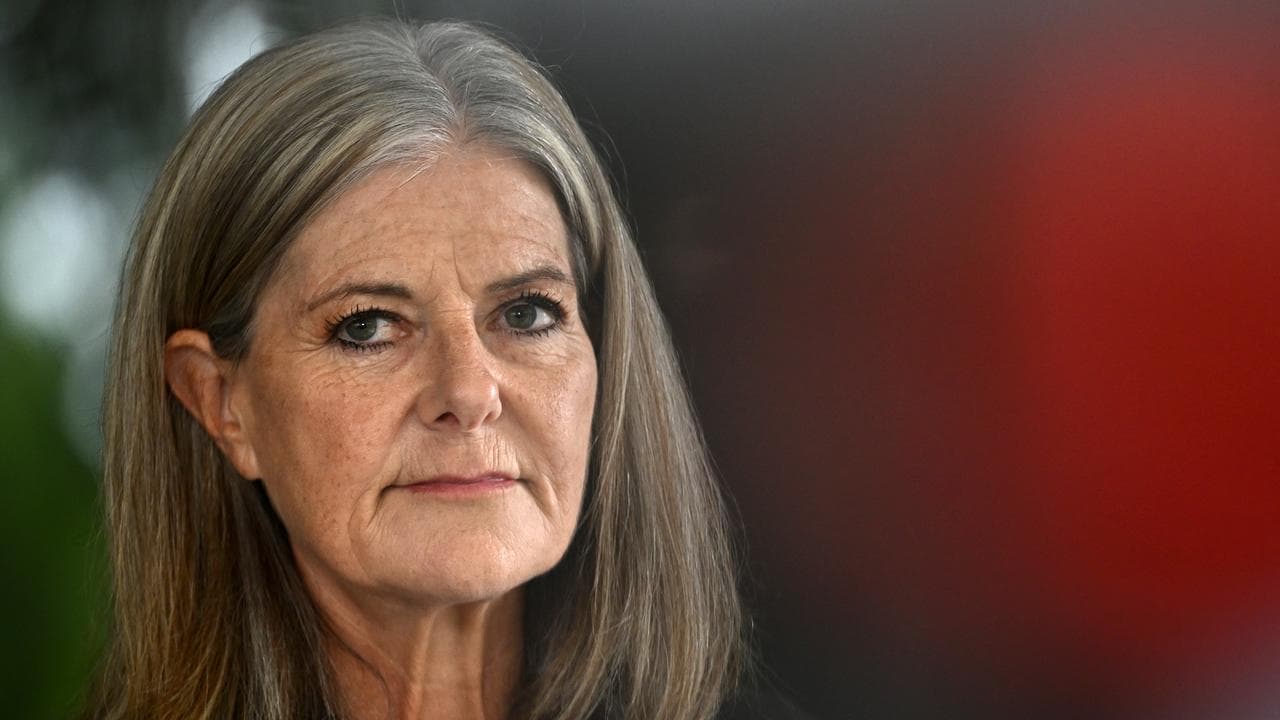
Attorney-General Sonya Kilkenny said consideration could be given to increasing the powers of liquor licence inspectors to crack down on the illicit trade.
She said people were distressed by the deaths of Ms Bowles and Ms Jones and didn't want to see illicit alcohol anywhere in Australia.
Opposition Leader Jess Wilson called for the state Labor government to quickly empower the liquor regulator to test products on shelves.
Victorian Libertarian leader David Limbrick has labelled the response to illicit alcohol a "shambles", stating excessive federal excise, a lack of state-level testing capability, and overburdened council inspectors had incentivised the illegal industry.


