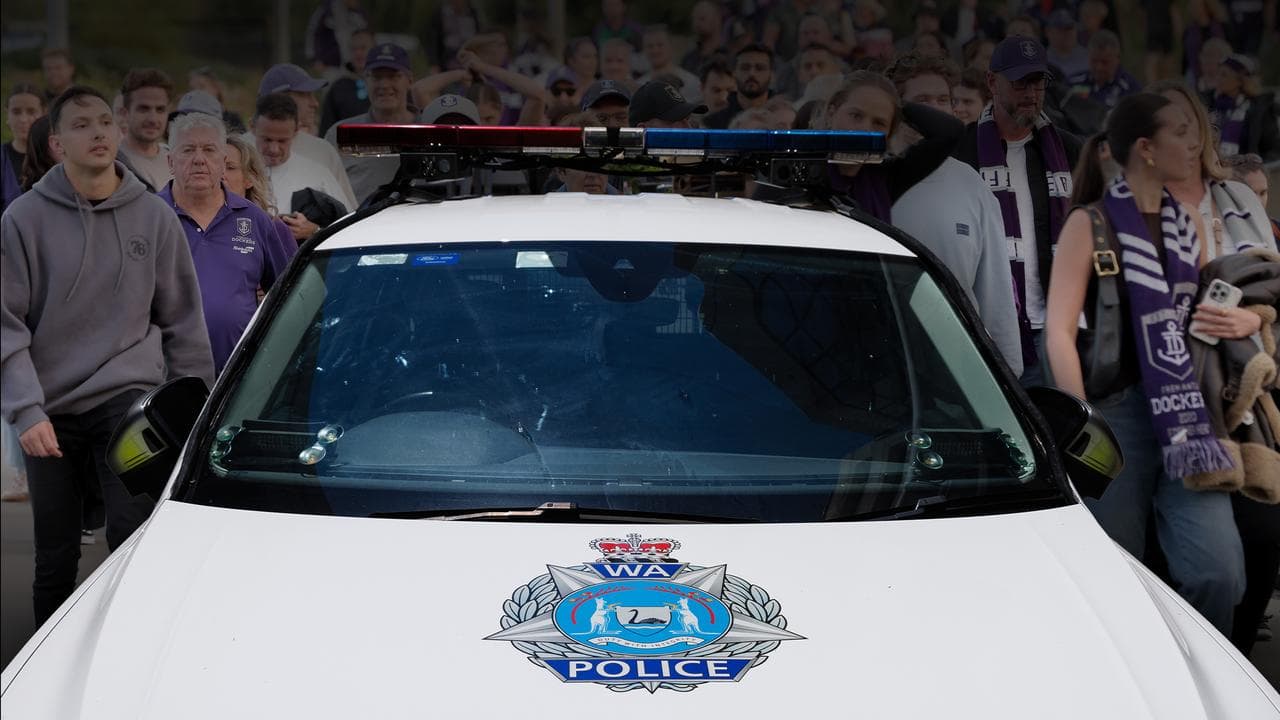
Members of the public will be surveilled by real-time facial recognition cameras operated by police in an Australian-first trial aimed at catching criminals and bolstering safety.
The technology, which uses artificial intelligence to cross-reference faces with a database, will be deployed in Western Australia from Monday.
But critics say it's an overreach that's been introduced without public consultation.
The cameras will be mounted on or positioned in the vicinity of a marked police vehicle in designated public spaces.
If the technology detects a match to the database, the image will be retained and an alert will be sent to nearby officers to confirm the suspect's identity.
Signs will alert the public to the cameras.
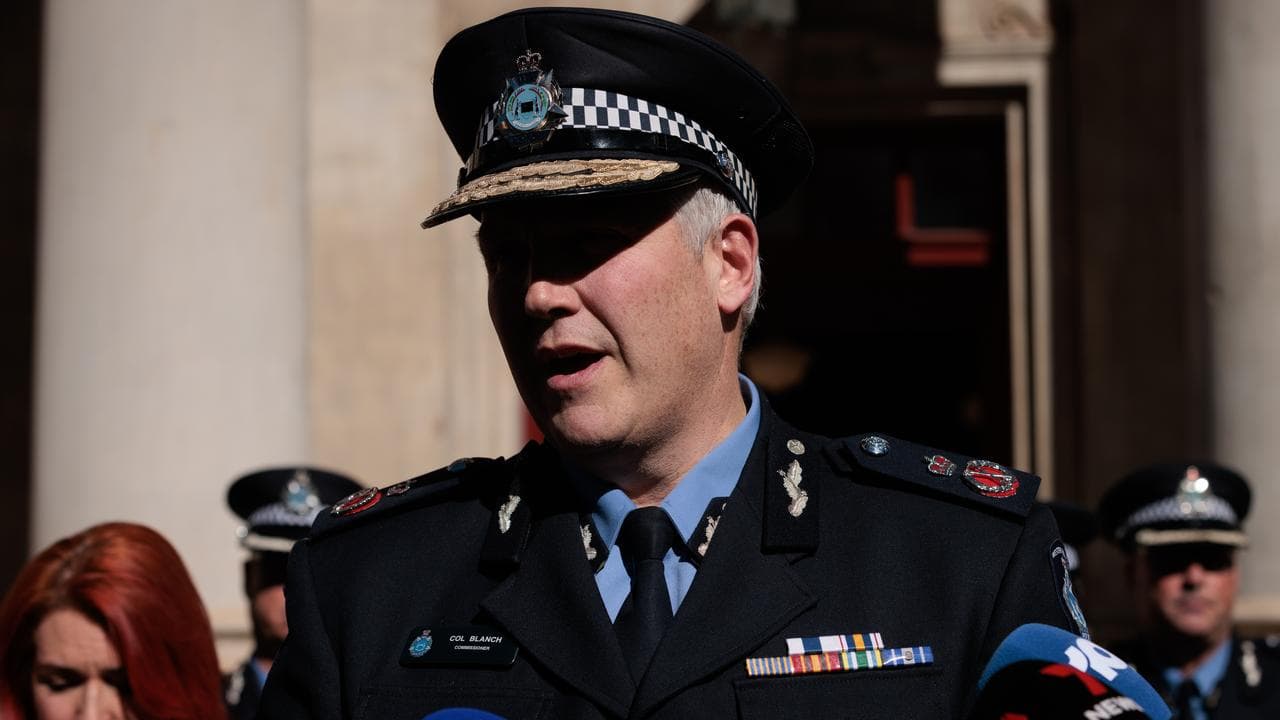
The cameras weren't an attempt at mass surveillance by the state and would enable police to better protect the public by catching criminals quicker, WA Police Commissioner Col Blanch said.
"The greatest advantage of this technology is, in fact, the deterrent effect," he said on Friday.
It's hoped it will help identify reportable offenders, people with outstanding warrants and suspects in serious offences.
It could also be used to identify convicted child sex offenders who are prohibited from being near children.
About 8000 people in the WA community have an outstanding arrest warrant or a child sex conviction.
Police could also use the technology to help officers locate vulnerable and missing people and those subject to lawful restrictions, such as protected entertainment precinct orders.
"It allows police to focus on individuals who present a real risk, while the vast majority of people go about their day without any impact at all," Mr Blanch said.
Images of community members who are not on the alert list are automatically pixelated in real time and were not saved, WA Police said.
There is no record-keeping of the data.
"This is less intrusive, and more focused on your privacy and your freedoms, than a CCTV camera owned by a person we don't know," Mr Blanch said.
WA Police will trial the system using one camera system and a van for three to six months.
"We will trial this van in public places to start with at major events, so it might be at Optus Stadium, it might be at Northbridge (nightlife precinct)," Mr Blanch said.
WA Police have used non-live facial recognition technology for more than a decade.

WA Greens MP Brad Pettitt said the measure was "a massive overreach" and the public should be concerned, likening it to the dystopian themes explored in the British TV anthology series Black Mirror.
“A deeply concerning development from the most authoritarian Labor government we have ever seen," he said.
"It’s like something out of Black Mirror."
Live facial recognition systems have been rolled out across the UK by police.
They're also being used in retail stores to clamp down on theft.
Critics say it's Orwellian and some people are being wrongly identified.
It's leading to people being ejected from stores, with few avenues to appeal the decision.
Others have been held in police custody after being misidentified as suspects in major crimes.
Human rights groups have raised concerns, alleging UK police were retaining thousands of images of Britons who were never charged or were later cleared of a criminal offence following their arrest.
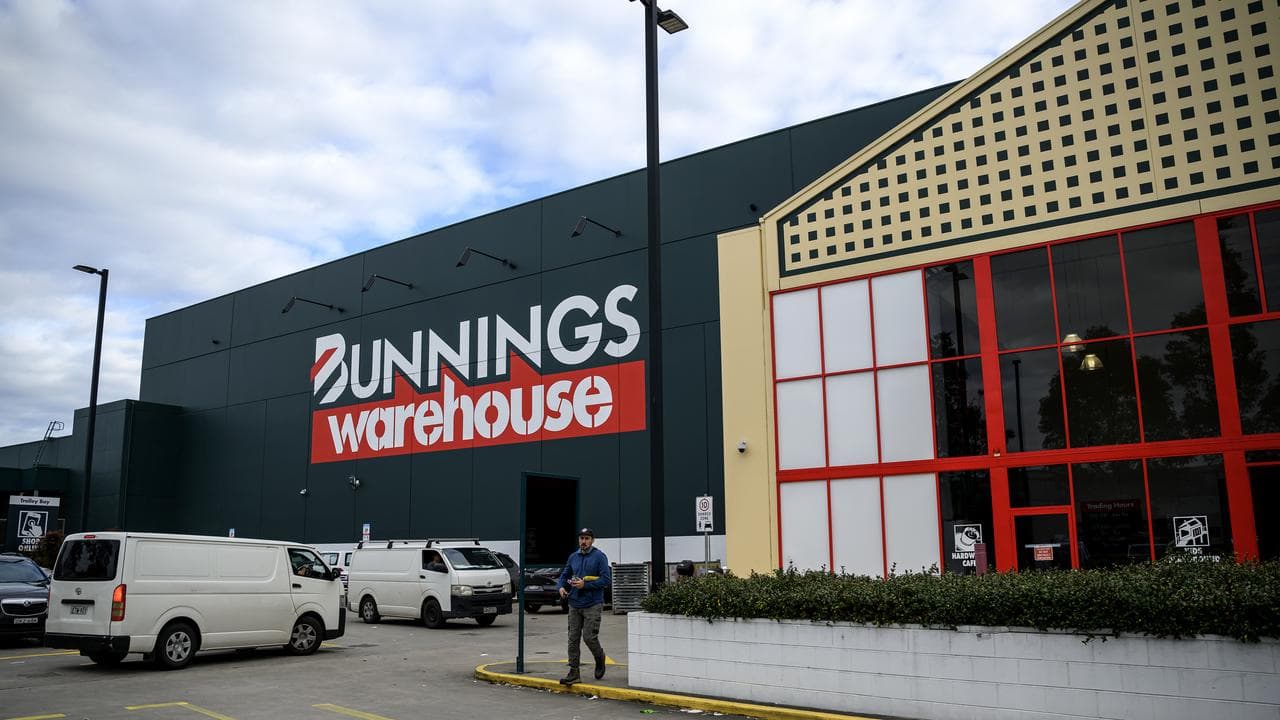
Bunnings trialled facial recognition cameras between November 2018 and November 2021 in 63 stores in NSW and Victoria.
The retailer owned by Wesfarmers faced significant criticism over the technology, with the Office of the Australian Information Commissioner in late 2024 ruling that Bunnings breached the Privacy Act.
But this was overturned earlier in 2026 by the Administrative Review Tribunal.


