
A majority of economists are tipping interest rates to remain on hold as the Reserve Bank begins deliberations.
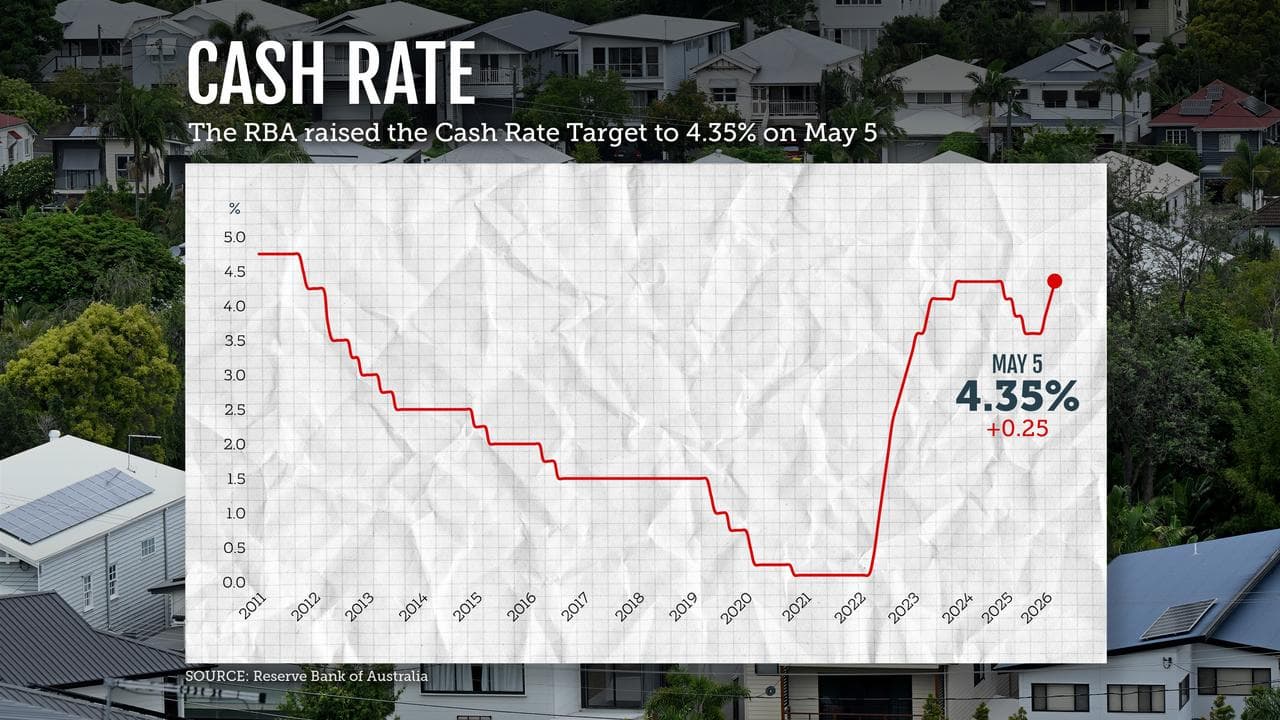
The bank's board will begin two days of talks on Monday to determine whether the official cash rate will remain steady at 4.35 per cent.
Reserve Bank governor Michelle Bullock will announce the board's decision on Tuesday afternoon.
Despite persistent economic pressures from the Middle East conflict and inflation levels above the bank's preferred target range, a hold is considered likely.
A Reuters survey of 45 economists found 42 expected the bank would leave rates unchanged.
If the predictions hold, it will be the first time in 2026 the bank's board has not raised interest rates, following three consecutive increases in the first half of the year.
The central bank's next rate change would likely be a reduction, NAB economist Josh Copeland said.
"Inflation risks remain elevated and the RBA is unlikely to guide against further tightening on Tuesday, but we expect with restrictive policy and slow growth momentum, the next move from the RBA is likely to be down," he said.
More than half of the economists surveyed by Reuters expected the interest rate to remain at 4.35 per cent by the end of September.

It comes as figures reveal more than 200 small businesses have applied for zero-interest loans from the federal government as part of economic measures designed to keep supply chains moving amid the crisis in the Middle East.
Almost $195 million in loans had been handed out to businesses involved in fuel supply and freight as of the start of June as part of a $1 billion program.
More than 75 per cent of the loans were for less than $1 million.
The program was helping businesses weather the economic shocks associated with the US-Israeli war with Iran, Industry Minister Tim Ayres said.
"Firms in crucial sectors like freight and logistics, fuel, plastics and fertiliser are receiving vital support from the National Reconstruction Fund in partnership with Australian banks," he said.
"This is the Albanese government delivering to keep trucks moving, fuel flowing and supply and logistics firms in business when Australia needs them most."


