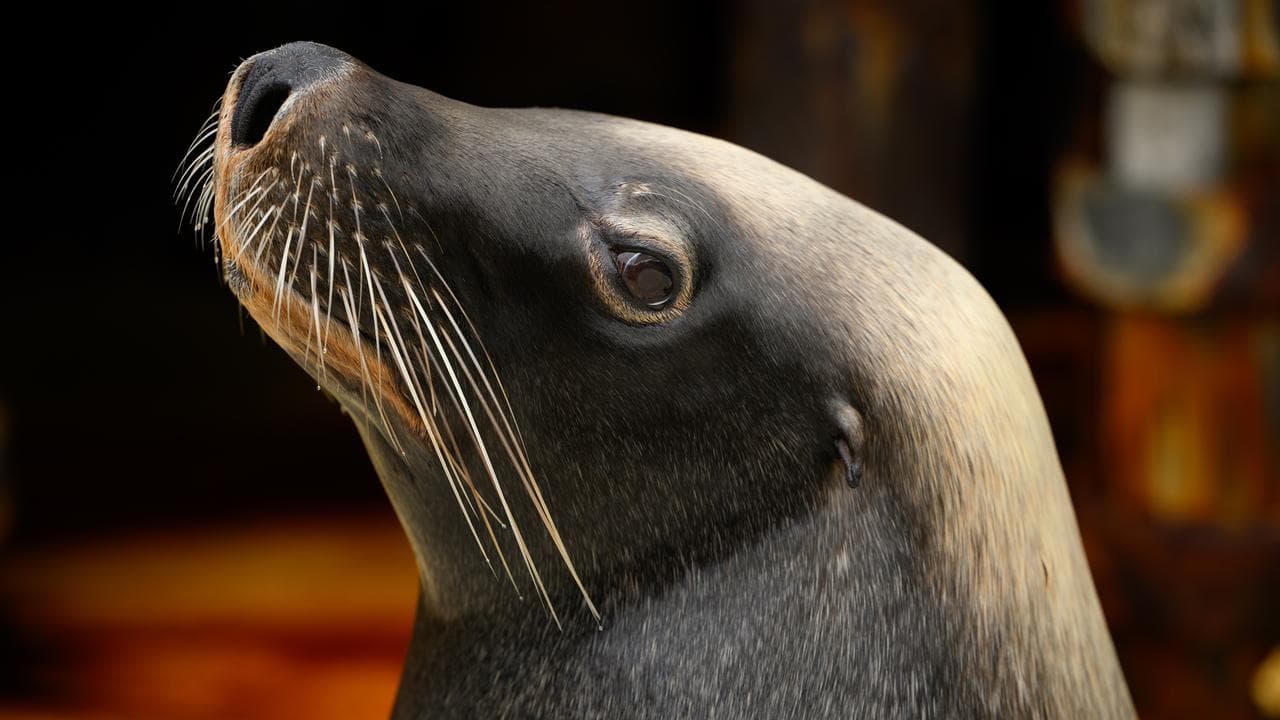
Australian sea lions could be on the verge of a mass mortality event, an expert warns after the death of a seal pup was linked to a deadly disease outbreak.
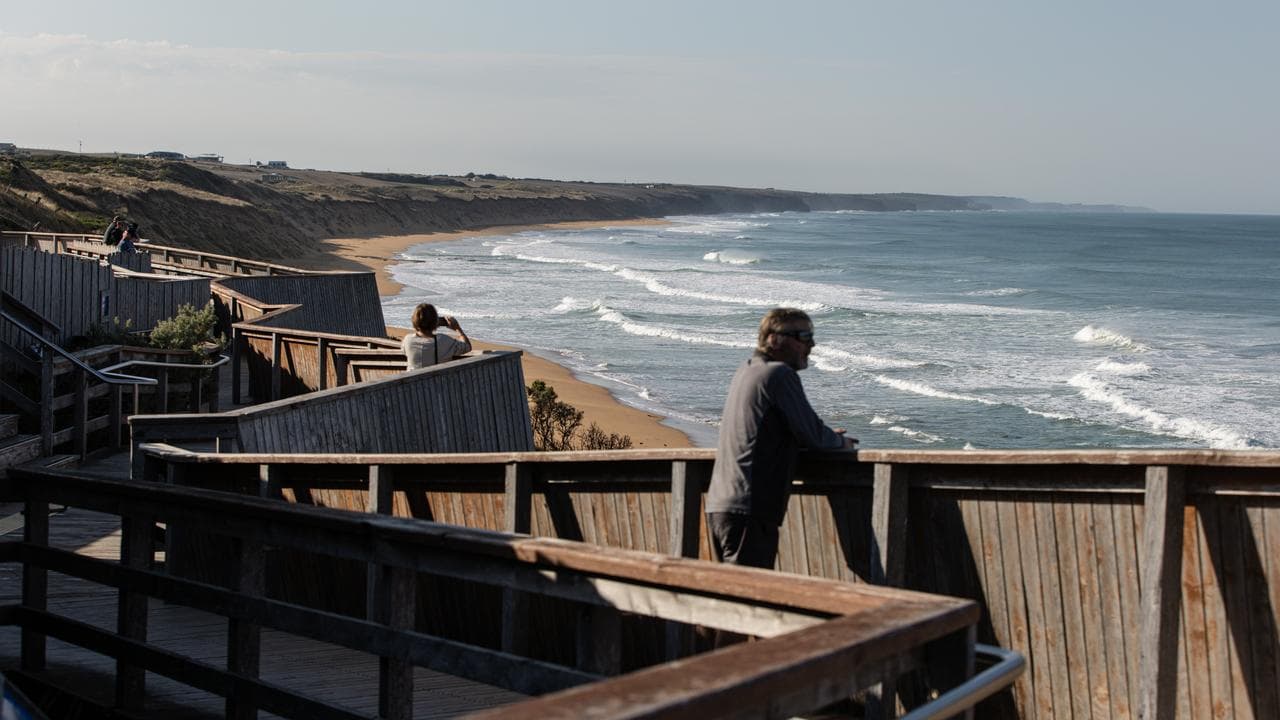
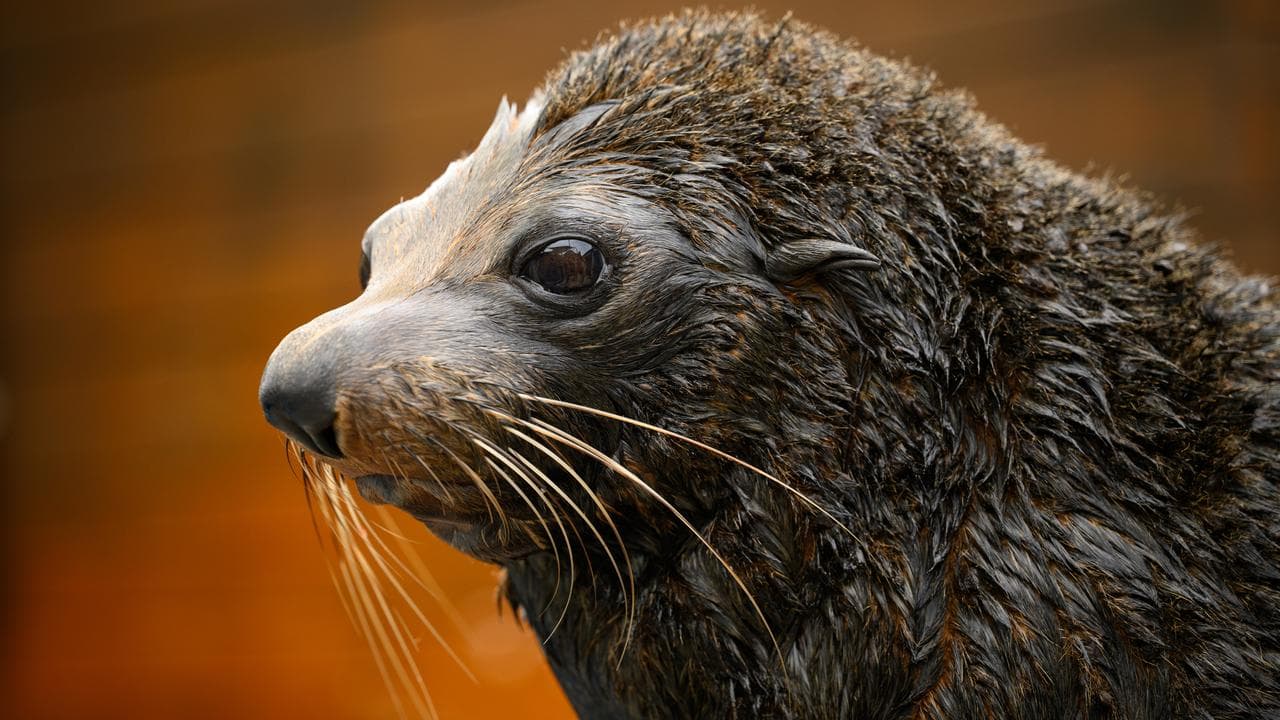
The baby seal has been identified as a potential bird flu case after washing up at Warrnambool on Victoria's southwest coast.
It is potentially the first seal on the Australian mainland to be infected with the deadly H5 virus as the national bird flu tally soars past 100.
A positive case had earlier been confirmed in a bird near an endangered Australian sea lion colony at Seal Bay on South Australia's Kangaroo Island.
Australia is home to about 13,000 Australian sea lions, which like seals, are pinnipeds, with 85 per cent of the population in SA.
"In South America, 30,000 sea lions were killed (by bird flu)," wildlife veterinarian and University of Adelaide expert Wayne Boardman told AAP.
"And we've got about 10 to 12,000 of the total population of Australian sea lions in South Australia.
"We have to brace ourselves for the fact that the virus is going to get into Australian sea lions, and we're going to get a high mortality event."
The species was important to the SA tourism economy while also fulfilling a vital ecological niche, Associate Professor Boardman said.
The Australian government has conducted pilot bird flu vaccination trials but has not announced a wide-scale public program to date.
Vaccines could be deployed strategically in a small population of sea lions but it would be very difficult, Assoc Prof Boardman said.
"It would require an awful lot of planning, organisation, logistics and availability to be able to do that," he said.
The alarm was raised when the baby seal washed up in Victoria and was cordoned off with traffic cones to discourage anyone from approaching it.
"Sadly, we can now confirm the seal is deceased. We are investigating," Victoria's Department of Environment, Energy and Climate Action said in a statement.
Locals are being warned not to approach sick wildlife.
"We understand that many Victorians care deeply about wildlife and may find it difficult to see sick or injured birds or wildlife that cannot be immediately rescued or treated," the department said.
"We ask that the community do not approach the seal."
Bird flu has been recorded in more than 100 wild mammal species globally.
More than 13,000 elephant seal pups are thought to have died on Heard Island in the Southern Ocean since the virus was first detected on the remote Australian territory by research scientists late in 2025.
The Australian Marine Conservation Society said the losses amounted to 97 per cent of pups.
There have now been 123 confirmed or presumed positive detections of H5 bird flu in Australia.
There remained no detections in poultry or agriculture and the risk to human health was low, Acting Australian Chief Veterinary Officer Sam Hamilton said.
But the Western Australian government on Thursday warned pet owners to keep a close watch over their animals.
"I would be very concerned about letting my cat out of a contained environment," WA Agriculture Minister Jackie Jarvis said.
"You should not let your dogs interact with birds or native wildlife."
Predatory animals, including feral cats, foxes and dingoes, would spread the disease more quickly, WA Environment Minister Matthew Swinbourn said.
Pest control measures have been increased in WA to protect critical habitats and endangered species.


