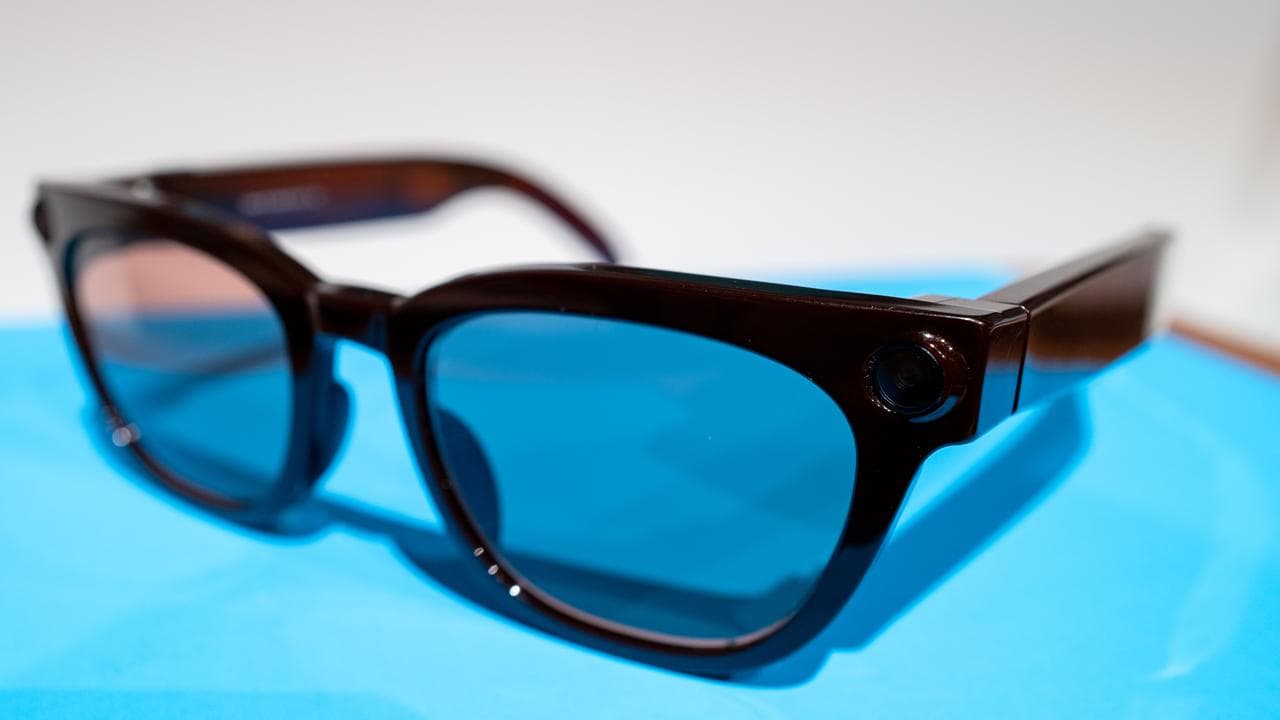
The backlash is more obvious than the cameras they put on your face: smartglasses have plenty of detractors.
From academics calling the artificially intelligent spectacles “straight out of a George Orwell novel”, to Lorde telling concertgoers “don’t get the glasses”, not everyone is sold on the concept behind the latest smartphone accessory.
But the criticisms are not slowing their spread, with Samsung and Google announcing plans to release their own smartglasses within months, and Meta promoting the launch of its second-generation devices.
The accessories are not inherently flawed, industry analysts say, even though some are being used in morally questionable ways.
The technology requires strict privacy controls and more obvious warnings about the devices' use, they say, as well as a greater focus on what benefits users could achieve by putting a computer on their face.
Despite criticisms, smartglasses sales are booming, with IDC research showing consumers bought more than 2.25 million devices in the first three months of 2026 - a rise of 167 per cent year on year, and about the same number sold in all of 2024.
Social media company Meta leads the category, selling more than two-thirds of smartglasses, followed by RayNeo and Xiaomi.
The trend comes more than a decade after the release of Google Glass - the first modern smart spectacles - and after a similar public backlash labelled its users “glassholes”.
However, the latest smartglasses offer a significantly different experience.
While Google’s glasses were designed to deliver information to a small display inside their frames, new smart spectacles are focused on capturing photos and video hands-free, often without making it obvious to people nearby.
It is this focus, along with the actions of bad actors, that has led some to dub the technology “pervert glasses” and decimated its reputation, Creative Strategies principal analyst Carolina Milanesi says.
“There is a social aspect of it which is no different than at the beginning of mobile phone cameras, where people were going under skirts and taking pictures,” she tells AAP.
“But that doesn’t mean there’s no accountability that needs to come from the companies that are bringing these devices out.“
Rogue users have deployed smartglasses to film women without their knowledge or consent and shared the videos online for seduction coaching purposes, for example.
Other smartglasses wearers have installed specialised stickers over a light meant to warn bystanders they are being filmed, the so-called "stealth stickers" widely available for sale online.
Tech giants’ response to this behaviour has not been swift enough, Ms Milanesi says, and stronger privacy and security restrictions will be needed to protect the public and rescue the technology.
There are significant benefits to making AI, cameras, microphones and speakers available to users without picking up a phone, she says, but they are being lost in the current conversation.
“We are focusing on the wrong thing right now ... there’s a lot of ‘I can do my vlog better without holding a phone’,” she says.
“We need companies to really point out that there are positive behaviours you can have with the glasses, whether it’s translation or other accessibility features.”
Smartglasses can deliver street-by-street navigation to a user’s ear, for example, translate road signs in foreign languages quickly and, according to one study published in JAMA Ophthalmology, assist users with low vision to read words and identify objects.
Accessibility features are potentially being shouted down in current sales pitches, which Swinburne University of Technology games and interactivity course director Steven Conway says focus much more on fashion and filming.
“This is certainly one of those technologies that almost seem parodic in how dystopian they are, straight out of a George Orwell novel,” he says.
“Technology should be used to fulfil a human need, to remove friction from our lives, to do things better, quicker, smarter, safer.”
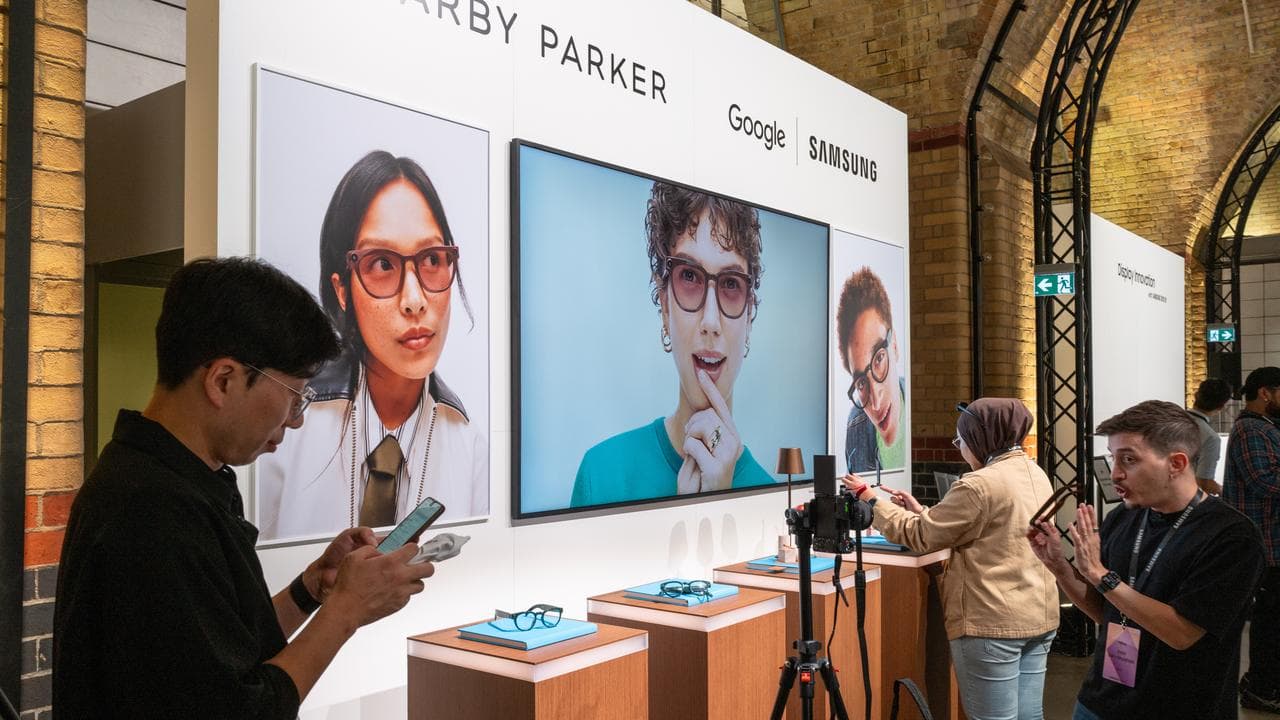
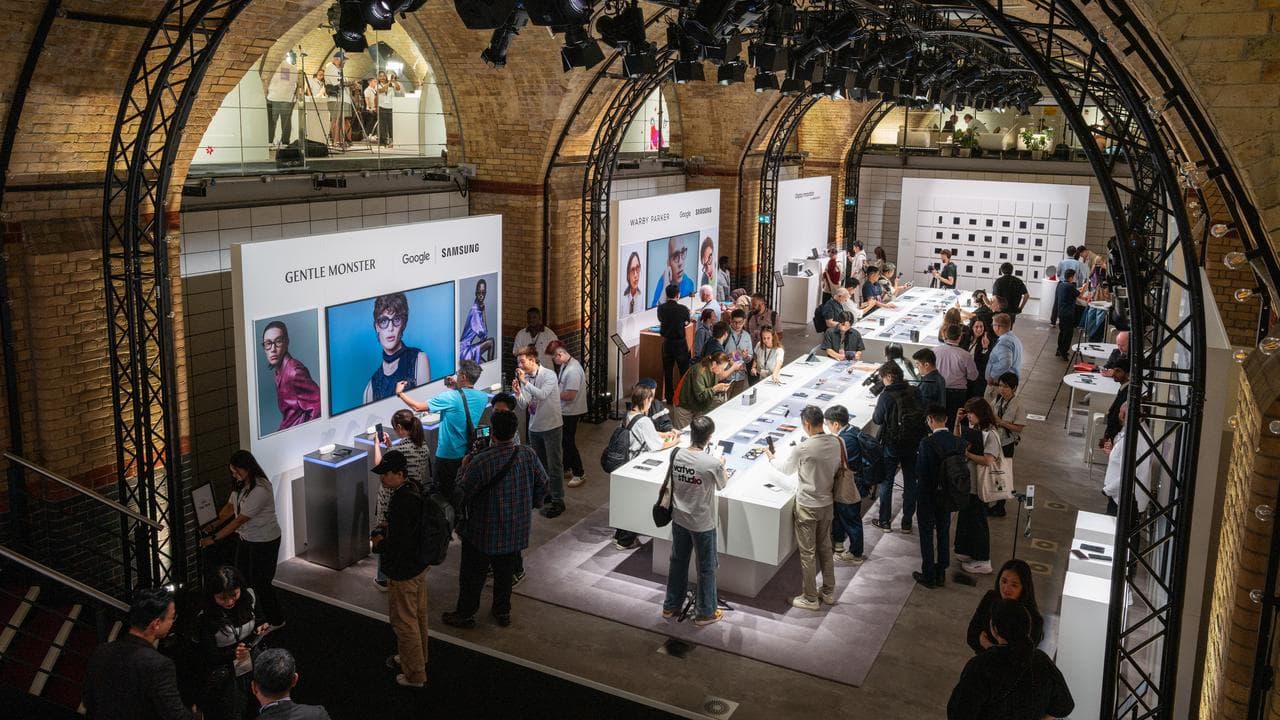
For their part, Google and Samsung are promoting their upcoming smartglasses collaboration as one based on enhancing everyday experiences.
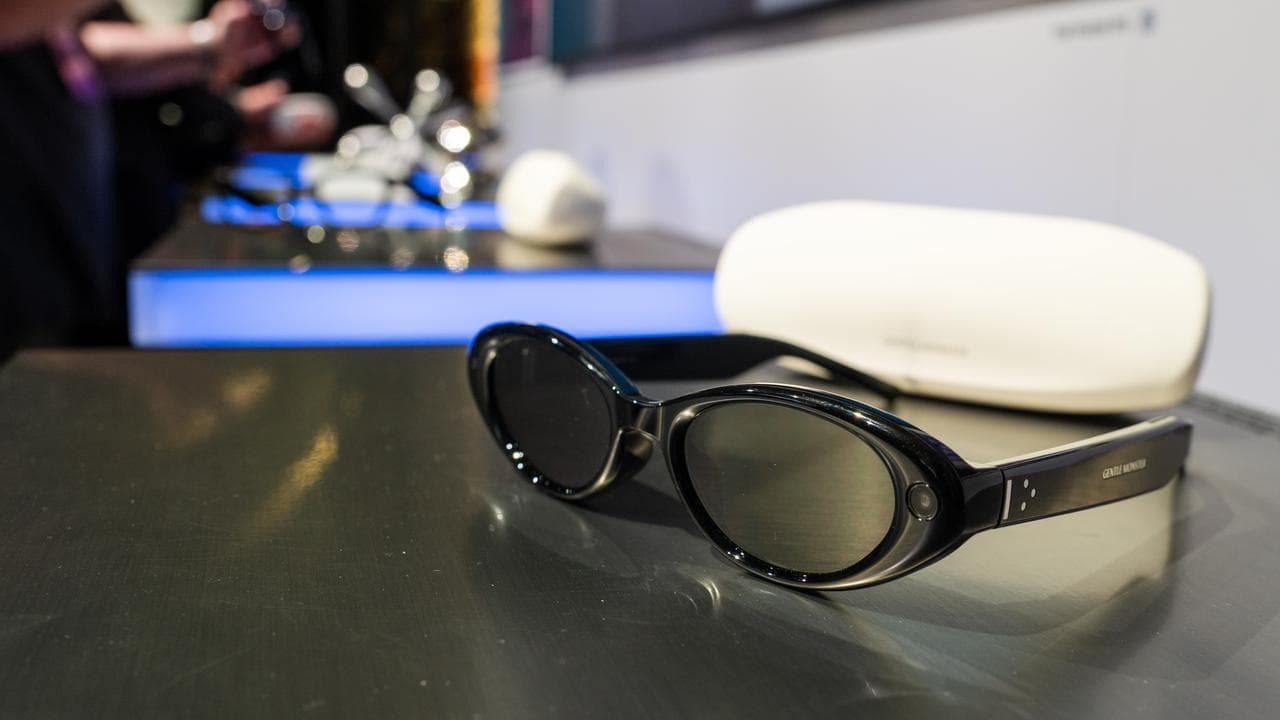
The plastic frames will feature a camera, light, shutter button, microphone, speakers and sensors when they launch in spring, and Google devices senior vice-president Rick Osterloh says they will provide easy access to the AI agent Gemini.
“These glasses let you take calls, listen to music and capture photos,” he says.
“Just ask, and you can search what you see. You can order your favourite coffee on your ride into work or you can book a reservation at a restaurant you just passed by.”
A Samsung spokesperson says the smartglasses, designed with Gentle Monster and Warby Parker, will come with built-in privacy controls including sensors that automatically turn the camera off when you remove the frames from your face.
The spectacles will arrive in markets including the US and South Korea first, Samsung Australia wearables head Kylie Mason says, with a local launch to follow.
“We hope Australia will range them in the near future,” she says.
The reporter travelled to London as a guest of Samsung.


